Fall fabric: how fabric stores can plan seasonal inventory
Autumn is the season when a fabric shop’s shelves have to change weight, colour and price point in a few short weeks. Here is how to decide which fall fabrics to buy, how much, and when, without ending the winter with a back room full of velvet.

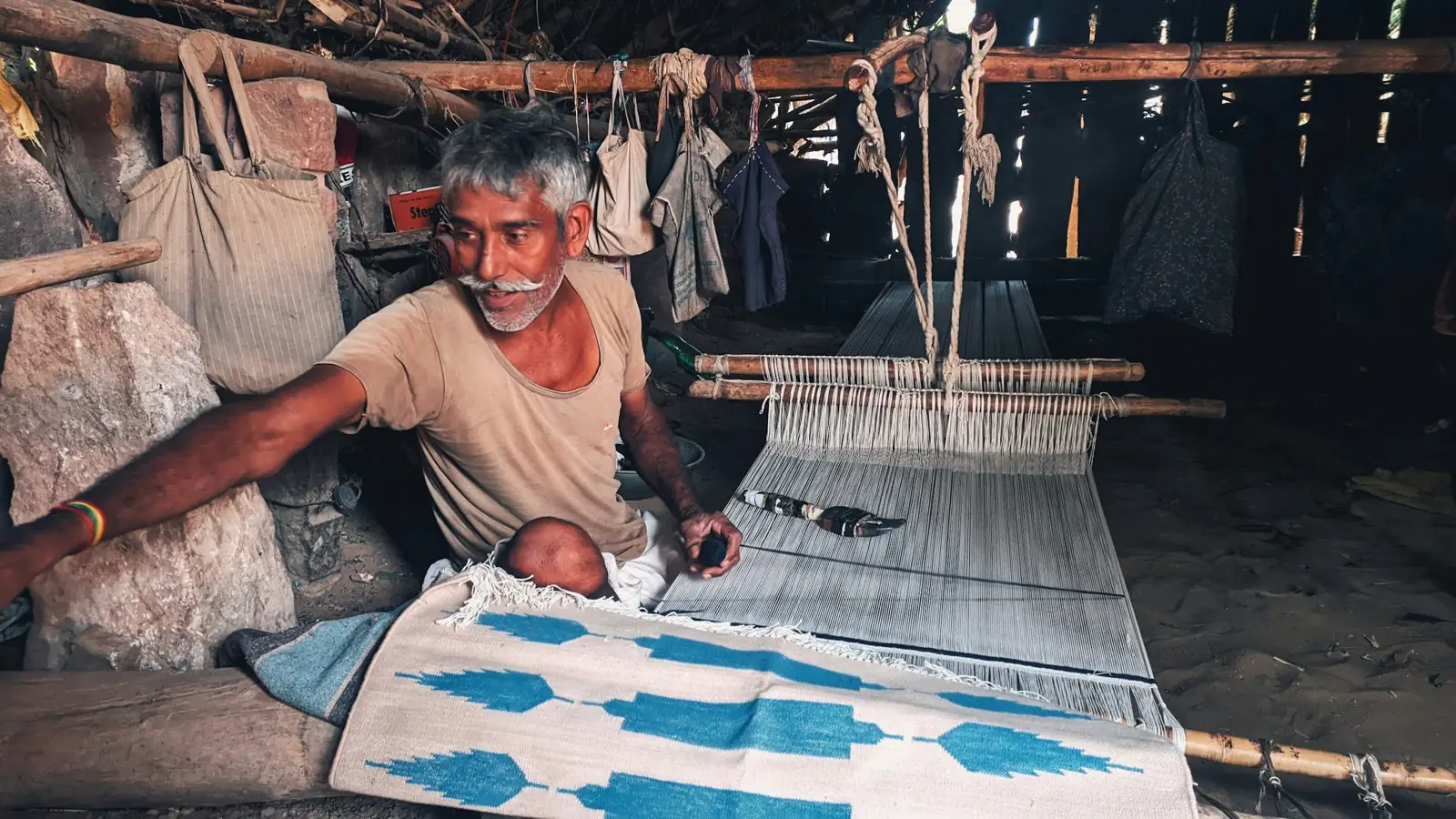
Photo: Amaan Abid on Unsplash
Every fabric shop has one week each year when the season turns. In Srinagar it comes in September, when the chinars start to redden and customers ask for pheran fabric. In Delhi it arrives a month or so later, with the first evening that needs a shawl. In Chennai it barely comes at all, but the festive calendar does. Wherever your shop is, there’s a point where the mulmul and linen stop moving and the flannel, velvet and wool start, and the shops that do best are the ones that saw it coming.
This guide is about planning fall fabric stock: which fabrics to carry, when to buy them for your part of the country, how to set a buying budget from last year’s sales instead of instinct, and what to do with the summer stock still sitting on the shelves. It is not about the festive rush itself — we covered counter speed, staff and credit in Surviving the festive rush. This is the planning that happens before it.
What counts as fall fabric
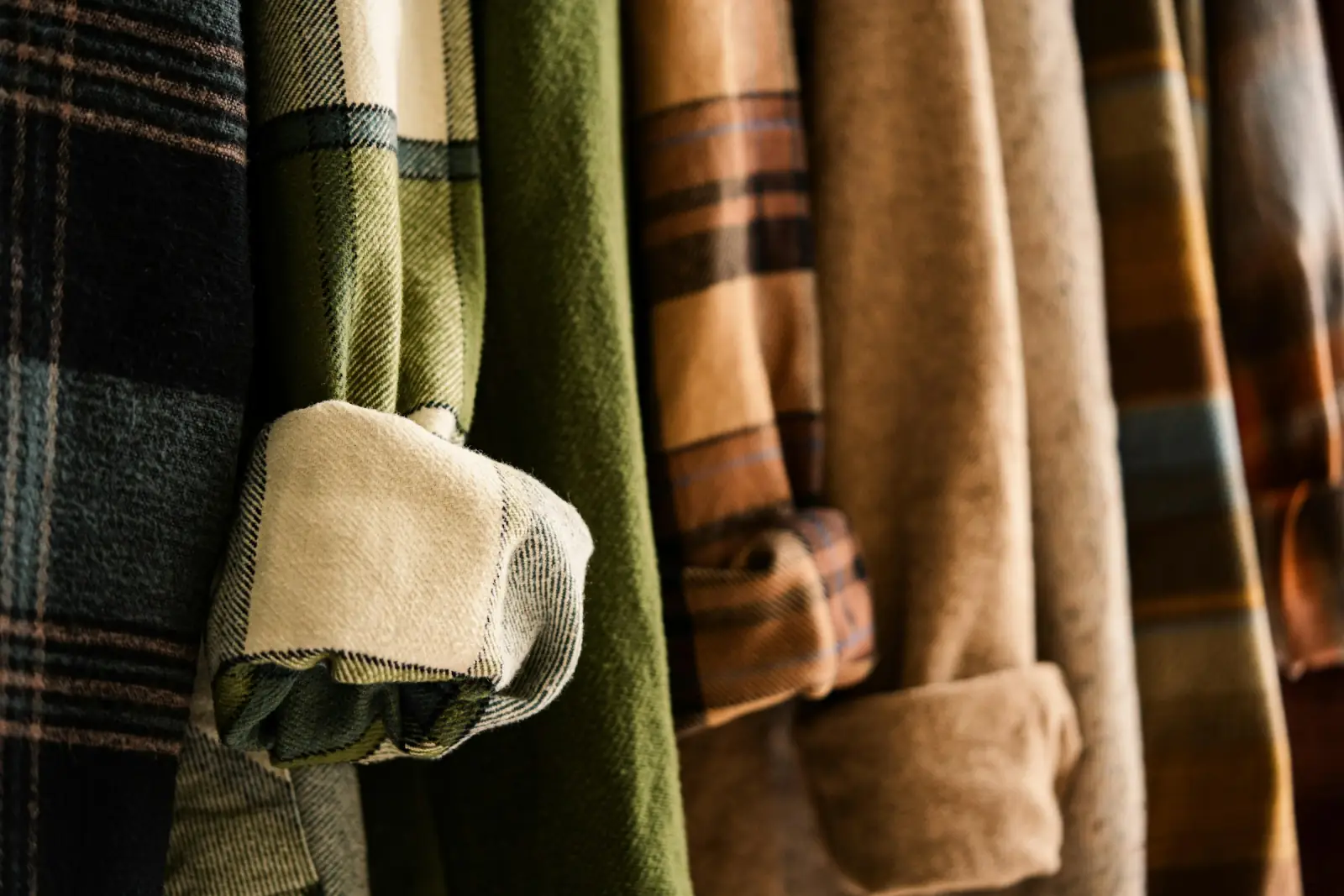
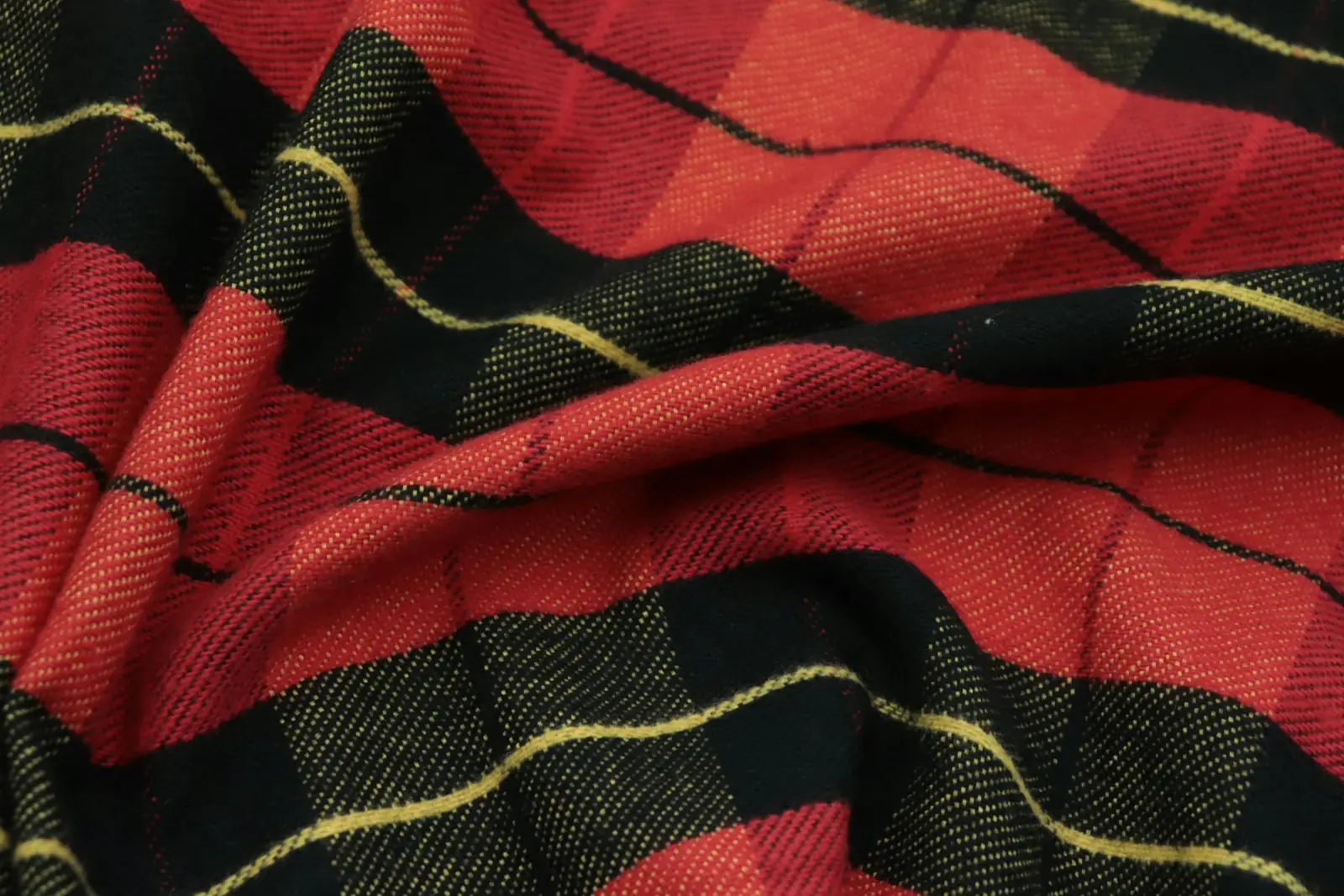
Fall fabric isn’t one material. It’s a shift in three things at once: weight, from airy to warm; texture, from smooth and crisp to brushed, napped and piled; and colour, from pastels and whites to rust, mustard, olive, bottle green, maroon, wine, chocolate and navy.
| Fabric | What customers make | When it peaks |
|---|---|---|
| Flannel and brushed cotton | Shirts, nightwear, kidswear | October to January |
| Velvet | Festive suits, lehengas, blouses, jackets | Festivals and the wedding season |
| Wool and wool-blend suiting, tweed | Suits, coats, pherans, waistcoats | September in the hills, November on the plains |
| Acrylic and woollen knits, shawls | Shawls, stoles, winterwear | October to January |
| Corduroy | Trousers, jackets, children’s clothes | October to January, a smaller line in most towns |
| Quilted cotton | Jackets, razai covers, baby mats | The first cold weeks onward |
| Heavier silks and brocade | Festive and wedding wear | Around Navratri, Durga Puja, Diwali and weddings |
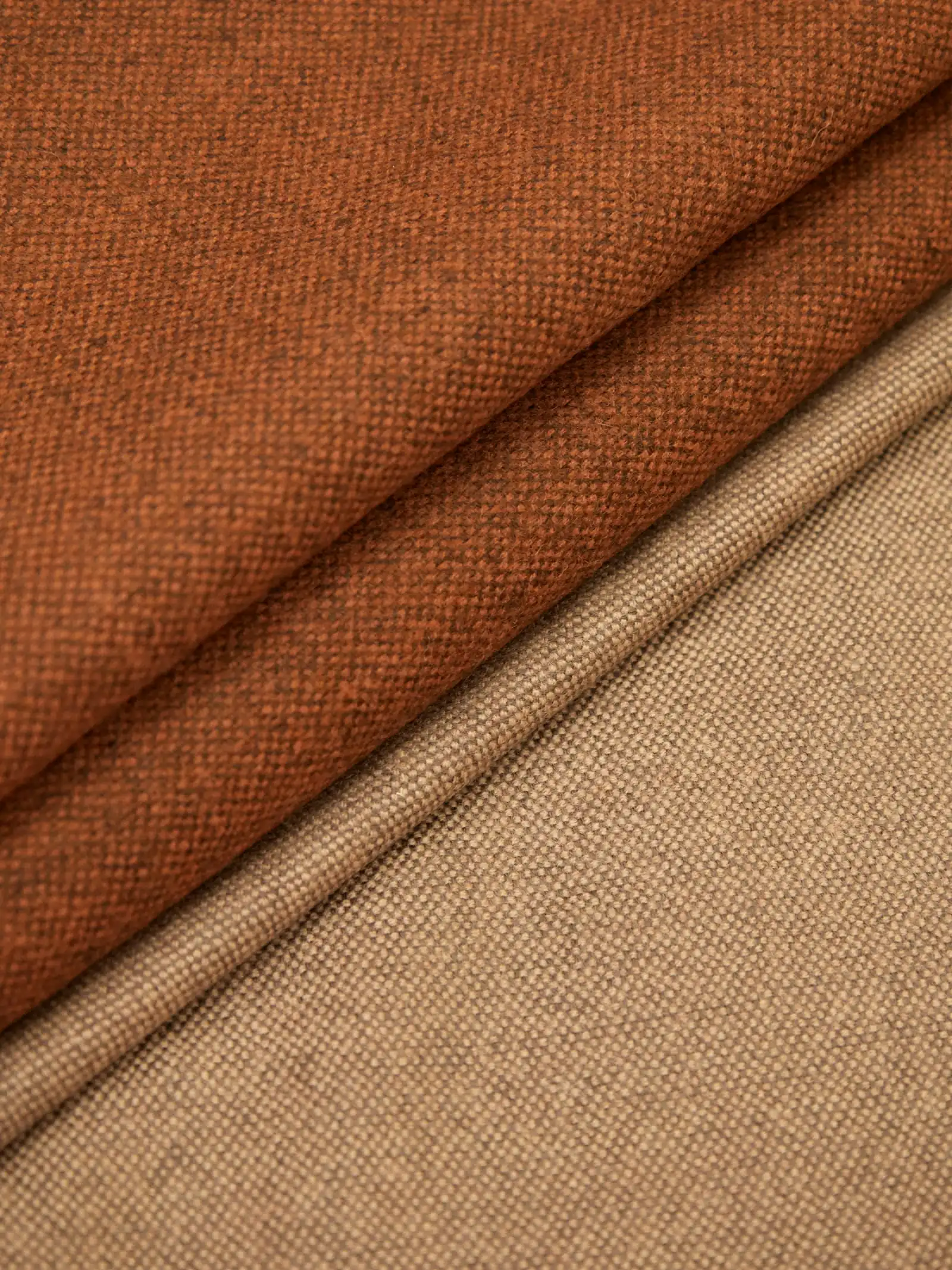
Colour often moves before weight. A cotton kurta fabric in mustard or bottle green will outsell the same print in powder blue from mid-September, weeks before anyone needs warmth. A cheap early win is to shift your display to autumn colours in whatever weight you already have.
Fall doesn’t arrive on the same date across India
Western fabric catalogues treat fall as September to November everywhere. An Indian shop can’t, because the weather and the festival calendar both vary by region. Plan around your own city, not a supplier’s season.
| Region | When the shift comes | What moves first |
|---|---|---|
| Kashmir and the hill states | September, as harud (autumn) sets in | Tweed and wool for pherans, shawls, heavier suiting |
| North Indian plains | Late October into November | Shawls, suiting, flannel, velvet for weddings |
| East | Around Durga Puja, with cooler weather from November | Festive silks first, then light woollens and shawls |
| West | Mild winters; Navratri drives autumn demand | Festive fabrics, velvet; little wool except for travel |
| South | Northeast monsoon in October to December; hill towns get cold | Festive silks and velvet; woollens mainly in hill stations |

The festivals layer on top of the weather. When Navratri, Durga Puja and Diwali fall early, festive fabrics peak before winter fabrics are needed. When they fall late, the two peaks run together and your shelves and cash flow feel it. Check this year’s dates before you commit to delivery dates.
A buying calendar for a north Indian shop
Shift these dates a month earlier in the hills and later in the south, but the order of work holds everywhere:
- June–July: review last autumn’s numbers and set the budget.
- July–August: book woollens, winterwear and velvet with long-lead suppliers, clear the slowest summer stock, and set up the new categories and products.
- September: receive the first wave, label it and set minimum stock levels. Move autumn colours to the front of the shop.
- October: watch the first three weeks of sales and place reorders from the held-back budget.
- November–December: peak season. Reorder only proven lines, and stop buying trend items early.
- January–February: clear what won’t carry over, save the season’s numbers and write the notes for next year.
Start from last autumn’s numbers
The best predictor of this autumn is last autumn, adjusted for what you know has changed. If you kept sales on paper, you’ll have to reconstruct it roughly. If you billed through Kapda Stock, the numbers are already there.
- Open the [Reports hub](/docs/reports/overview) and choose a custom range covering last year’s autumn weeks, for example 1 September to 30 November. Note the revenue, the number of bills and the average bill.
- Read the top products table for the same range. It lists each product’s quantity, revenue and margin, and Export Excel saves it to plan from.
- Compare with the previous period. The hub shows the change against the previous period of the same length, so you can see how sharply the season lifted sales over late summer.
- Check what is already in stock. Inventory valuation shows the value of every item on hand at cost, grouped by category. Last winter’s carry-over counts towards this winter’s stock.
Set a buying budget before you set foot in the market
Most overbuying happens in a wholesaler’s shop, holding a beautiful velvet and a cup of tea. A budget decided at your own counter a week earlier is the best defence. Retailers call it open to buy: the money you can spend on new stock after accounting for what you already have and what is already ordered.
| Line | Amount | Where the number comes from |
|---|---|---|
| Planned autumn sales at cost | ₹4,29,000 | Last autumn’s ₹3,90,000 at cost, plus 10% expected growth |
| Plus: stock you want left at the season’s end | ₹60,000 | Carry-over you are comfortable holding into winter |
| Minus: autumn stock already on hand | ₹1,10,000 | Inventory valuation, autumn categories |
| Minus: stock already on order | ₹40,000 | Open purchase orders |
| Open to buy for the season | ₹3,39,000 | The most you should commit |
Then split it. A useful habit is to commit around 60% before the season and hold the rest for reorders, which in this example means ₹2,03,400 now and ₹1,35,600 held back. The held-back money buys more of whatever the first three weeks prove is selling, instead of more of what you guessed. The exact split is yours to choose. What matters is that some of the budget waits for real sales data.
Decide depth and breadth for each fabric
The budget says how much to spend. It doesn’t say how to spread it. For each autumn fabric, decide two things separately: how many colours or designs to carry, and how many metres of each. Getting that mix wrong is how a shop ends the season sold out of navy suiting while twelve shades of velvet sit untouched.
| Kind of line | Breadth | Depth | Example |
|---|---|---|---|
| Staples | Few colours | Deep | Navy, charcoal and black suiting; plain shawls |
| Seasonal favourites | Moderate | Moderate | Flannel checks, brown and olive wool blends |
| Trend and festive | Wide | Shallow | Velvet in jewel tones, printed autumn cottons |
Staples are bought deep because they sell every year and carry over safely. Trend lines are bought wide and shallow because nobody can predict which of ten velvets will be the one, and the held-back budget lets you chase the winner once you see it.
Book the long-lead items first
Winterwear and woollens from Ludhiana are booked months ahead, and good velvet and tweed sell out at the mills. Order these first, in July and August. Faster items — flannel, printed cotton in autumn colours, standard suiting — can wait until September. Our guide to India’s textile hubs covers which clusters make what, and how far ahead each one needs your order.
Record every order as a purchase order with an expected date. The Purchases section of the Reports hub then lists open orders with ordered, received and pending quantities, the pending value and the expected date, so you can see at a glance which supplier is late before the season starts without them.
Clear the summer shelves before autumn stock lands
Autumn stock needs space and cash, and both are tied up in whatever summer fabric didn’t sell. Clearing it is the least glamorous part of seasonal planning and the one with the fastest payback.
- Find it. The dead-stock table on the Reports hub lists items with stock and no sale in 90 days, the value locked up, and a suggested discount that deepens with age: 20% from 90 days, 30% from 180 and 40% from a year.
- Price it to move. Set up a coupon code in Offers & promotions with start and end dates. A code scheduled for a future start shows as Scheduled until the day it goes live, and a minimum bill or a maximum discount keeps it from eating into your full-price sales.
- Use the calendar. Summer cottons still sell in the south and west through October, and to customers travelling to warmer places. A late-season offer there often clears more than a steep discount in August.
- Know which stock can wait. Plain whites and basic cotton carry over without trouble. Trend prints and seasonal colours rarely do.
Set up autumn stock before it arrives
The week the bolts arrive is the worst time to be deciding SKUs and units. Do it before.
- Create the categories you will want to report on, such as Winter suiting, Velvet and Shawls & Stoles, in Categories. Next autumn, category reports are only as useful as the categories you create this year.
- Add metre-sold fabric from the product form with the MTR unit. Bulk import is quicker but creates everything in pieces, and a product’s unit can’t be changed later.
- Set a minimum stock level for every autumn line, so the 9:00 AM low-stock alert starts watching it from day one.
- Register roll lengths as you receive them. Velvet and wool are expensive, and knowing exactly what is left on each roll stops a salesman promising 3 metres from a roll that has 2.4. See Stock adjustments & movements.
- Print shelf labels with the price per metre, so customers comparing three velvets don’t have to ask for every price.
Watch the first three weeks closely
The first few weeks of autumn sales tell you more than any forecast. Set aside fifteen minutes a week to read them.
- Which lines are selling faster than planned? Reorder those from your held-back budget now, while suppliers still have stock.
- Which lines haven’t moved at all? Don’t reorder them, and move them to a better position on the floor before discounting.
- Is the margin holding? Category performance for this month shows revenue, cost and margin by category. High revenue on a thin margin usually means too much discounting.
- When are customers coming? Sales by time shows your peak hours and busiest weekdays. Put your best salespeople on the floor then, and do stock-taking on the quiet days.
Advice that sells heavier fabric at the counter
Autumn fabrics cost more per metre and behave differently from summer cottons. Customers notice when a salesman can explain why. A few points worth teaching every member of staff before the season:
Velvet and corduroy have a direction
Pile fabrics look lighter or darker depending on which way the pile runs. Every piece of a garment has to be cut in the same direction, or one sleeve will look a different colour from the other. That usually means the tailor needs a little more fabric than for a plain weave. Mention it at the counter and the customer who would have come back short buys the right length the first time.
Wool needs gentler care
Wool and wool-blend suiting can shrink or felt in hot water, and many good suitings are meant to be dry-cleaned. Tell customers so, and they won’t blame the fabric after the first wash.
Flannel and brushed cotton soften, and may pill
Brushed fabrics get softer with washing, which customers love, but cheaper ones can pill. If you stock two grades, a quick comparison at the counter justifies the higher price better than any discount on the cheaper one.
Colours look different under shop lights
Autumn shades such as olive, rust and bottle green shift a lot between warm tube lights and daylight. Keep a spot near the door where customers can check a fold in natural light. It prevents returns and shows you care about getting the colour right.
The other kind of fall
In an Indian saree shop, “fall” has a second meaning, and every owner reading this knows it. A saree fall is the strip of fabric stitched along the inside of the lower border to give the drape weight and protect the edge. It’s a small, cheap item that sells alongside almost every saree, and shops lose sales on it because they run out of the one shade a customer needs.
- Keep falls as their own items, one per shade, sold per piece, with codes such as FALL-MAROON or FALL-BOTTLEGRN.
- Set a small minimum stock for each shade. Falls are cheap, but a missing shade can hold up a saree sale until the customer finds one elsewhere.
- Stock deeper in festive colours ahead of the wedding and festival months, when saree sales, and the falls that go with them, peak.
Close the season so next autumn is easier
By late January, the season is over whether the stock agrees or not. A short review now makes next year’s planning take an afternoon instead of a week.
- Save the season’s numbers. Export the Reports hub for your autumn range to Excel and keep it with this year’s budget. Next July, you’ll compare the plan with what actually happened.
- Rank what sold. ABC analysis sorts products into the few that earned most of the revenue and the long tail that didn’t. Only products that sold in the period appear, so check dead stock separately.
- Decide what carries over. Classic wool, plain suiting and staple shawls can wait for next winter. Trend velvets and prints are better cleared now. For quilted fabric in particular, see how to manage quilted cotton inventory.
- Write down what went wrong. A late supplier, a colour that flopped, a shortage in week three — a short note is worth more next July than your memory will be.

Plan the season once, then let the numbers steer
Seasonal buying will always involve some judgement. You’re betting on the weather, on colours, on festival dates and on your customers’ mood. What changes with a plan is the size of the bet: a budget from last year’s sales, long-lead orders placed early, a share of the money held back for the lines that prove themselves, and summer stock cleared before autumn lands.
Kapda Stock keeps every part of that plan in one place: custom-range reports, inventory valuation by category, purchase orders with expected dates, reorder suggestions, dead-stock lists and scheduled coupon codes. If you are still running on a diary, How local fabric stores can manage inventory and billing is a good place to start. When you are ready, compare plans or set up your shop while there is still time to plan this winter from real numbers.
Frequently asked questions
What are fall fabrics?
Fall fabrics are the heavier, warmer and richer-coloured cloths that sell as the weather cools: flannel, brushed cotton, corduroy, velvet, wool and wool-blend suiting, tweed, knits and shawls, in colours such as rust, mustard, olive, bottle green, maroon and navy.
When should a fabric store start buying for autumn?
Order long-lead items such as woollens, winterwear, velvet and tweed in July and August, and faster lines such as flannel and autumn-coloured cottons in September. Shops in Kashmir and the hill states need their stock earlier, because the season turns there in September.
How much seasonal stock should a fabric shop buy?
Work out an open-to-buy budget: last autumn’s sales at cost, adjusted for expected growth, plus the stock you want left at the end, minus what you already hold and have on order. Commit part of it before the season and hold the rest for reorders once real sales show what is moving.
What is a saree fall?
A saree fall is a strip of fabric stitched along the inside of a saree’s lower border to add weight to the drape and protect the edge from wear. Shops usually stock them in a wide range of shades and sell them per piece alongside sarees.
How do I clear summer stock before autumn?
Find items with no sale in 90 days on the dead-stock list, price them with a time-limited coupon code rather than an open-ended discount, and push summer lines in regions and to customers where warm weather lasts longer. Plain basics can carry over; trend prints are better cleared.
See it working in your own shop
Set up a workspace in under a minute, or read the step-by-step guides in the docs.