Top textile manufacturing hubs in India: a sourcing guide for shop owners
Every bolt of fabric on your shelf started in a cluster somewhere — polyester in Surat, T-shirts in Tiruppur, suiting in Bhilwara, silk in Varanasi. Here’s India’s textile map, hub by hub, and how to turn it into better buying and better margins.
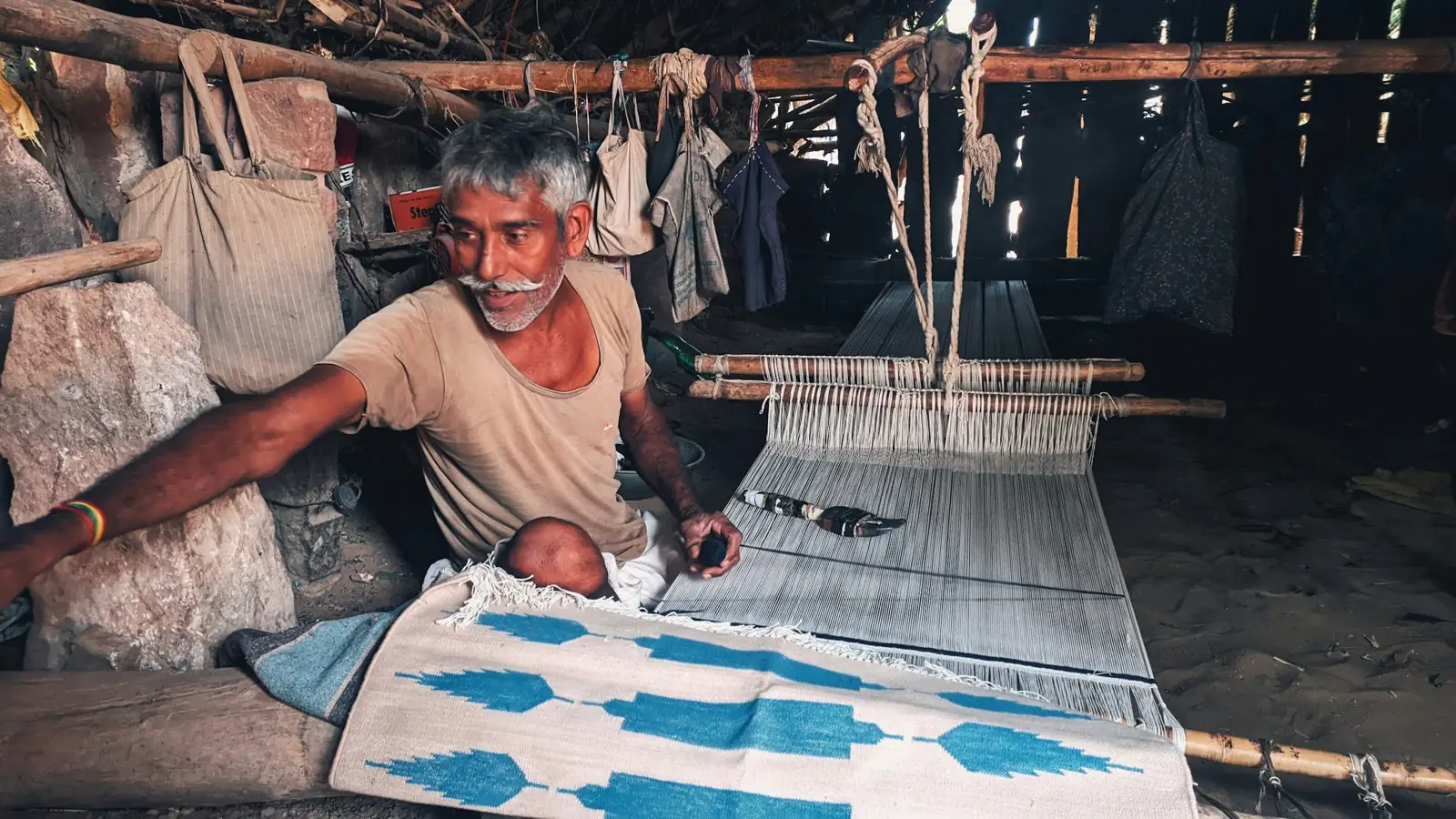
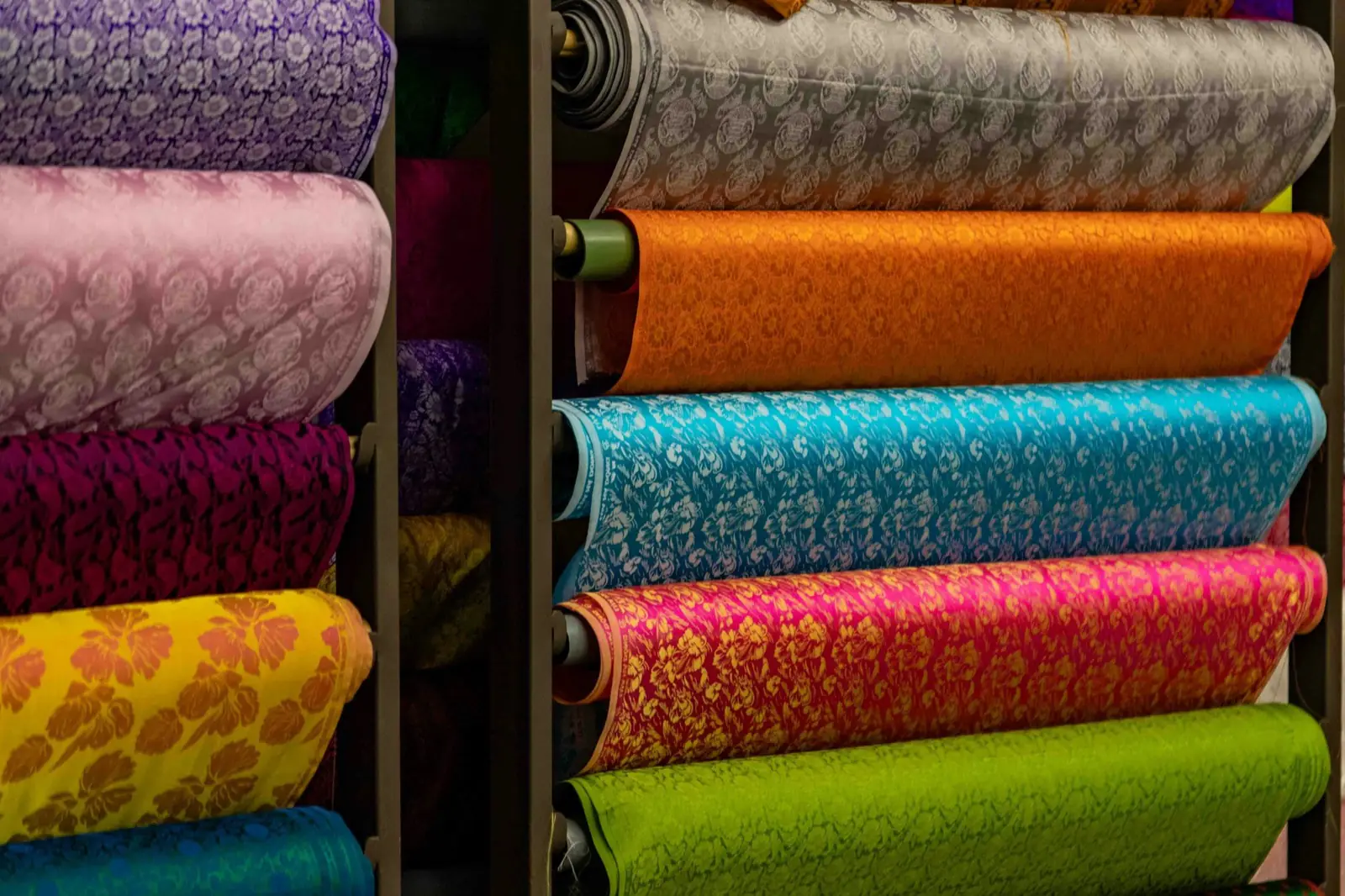
Photo: Apekshit Srivastava on Unsplash
Pick up any bolt of fabric in an Indian cloth shop and there is a good chance you can guess where it came from without reading the label. The shimmering polyester georgette almost certainly came through Surat. The plain cotton T-shirt in a kid’s size was probably knitted in Tiruppur. The grey suiting a customer is holding against a shirt sample most likely started life on a loom in Bhilwara. The winter shawls stacked by the door in October came down from Ludhiana.
India does not make textiles in one place. It makes them in clusters — towns and districts where generations of spinners, weavers, dyers, printers and traders have concentrated around one kind of product until they became the best, fastest and cheapest place in the country to buy it. For a retailer or wholesaler, knowing that map is not trivia. It is the difference between buying from the town that specialises in a product and buying it three middlemen later.
This guide walks through India’s most important textile manufacturing hubs — what each one makes, why it became a hub, and what a shop owner should know before buying from it. At the end, we cover the practical side: how to manage suppliers spread across half a dozen states without losing track of costs, payables and paperwork.
Why India’s textile industry runs on clusters
The scale is easy to underestimate. Textiles contribute roughly 2% of India’s GDP and around 11% of manufacturing output, and the industry employs an estimated 4.5 crore people — which makes it one of the country’s largest employers after agriculture. Most of that work happens in thousands of small units that each do one step well, next door to the units doing the steps before and after.
That is a cluster: a whole value chain within an auto-rickshaw ride — which is why the same town can quote a price nobody else matches.
| Stage | What happens | Hubs known for it |
|---|---|---|
| Fibre | Cotton is grown; silk is reared; man-made fibre is produced | Gujarat and Maharashtra (cotton), Karnataka (mulberry silk), Assam (muga silk) |
| Spinning | Fibre becomes yarn | Coimbatore and the wider Tamil Nadu belt |
| Weaving and knitting | Yarn becomes grey fabric or knitted cloth | Surat, Bhiwandi, Ichalkaranji, Bhilwara, Tiruppur |
| Processing | Dyeing, printing and finishing | Surat, Ahmedabad, Jaipur and Sanganer, Tiruppur |
| Garmenting | Cutting and stitching finished products | Tiruppur, Delhi NCR, Bengaluru, Ludhiana |
| Trading | Wholesale markets that feed retailers | Surat, Delhi, Mumbai, Kolkata, Erode |
What clusters mean for a shop owner
- Price. The closer you buy to the stage that makes the product, the fewer margins sit between you and the loom.
- Range and speed. A specialist hub offers hundreds of designs a season and restocks fast, because materials and capacity are local.
- Minimum orders. The catch: hubs sell by the thaan, bundle or dozen, so buying direct means larger lots and sharper stock control.
India’s textile hubs at a glance
| Hub | State | Best known for |
|---|---|---|
| Surat | Gujarat | Polyester and viscose fabrics, sarees, dress materials, embroidery |
| Tiruppur | Tamil Nadu | Cotton knitwear — T-shirts, innerwear, kidswear |
| Coimbatore | Tamil Nadu | Spinning mills and yarn |
| Erode and Karur | Tamil Nadu | Cotton fabrics, towels, bedsheets and home textiles |
| Ludhiana | Punjab | Woollen and acrylic knitwear, hosiery, winterwear |
| Panipat | Haryana | Recycled yarn, blankets, rugs and home furnishings |
| Bhilwara | Rajasthan | Polyester-viscose suiting and uniform fabric |
| Bhiwandi and Ichalkaranji | Maharashtra | Powerloom grey fabric |
| Ahmedabad | Gujarat | Denim, cotton processing |
| Jaipur, Sanganer and Bagru | Rajasthan | Hand block prints, quilts |
| Varanasi, Kanchipuram, Bhagalpur | UP, Tamil Nadu, Bihar | Silk sarees and silk fabric |
| Srinagar | Jammu & Kashmir | Pashmina, Kani shawls, sozni embroidery |
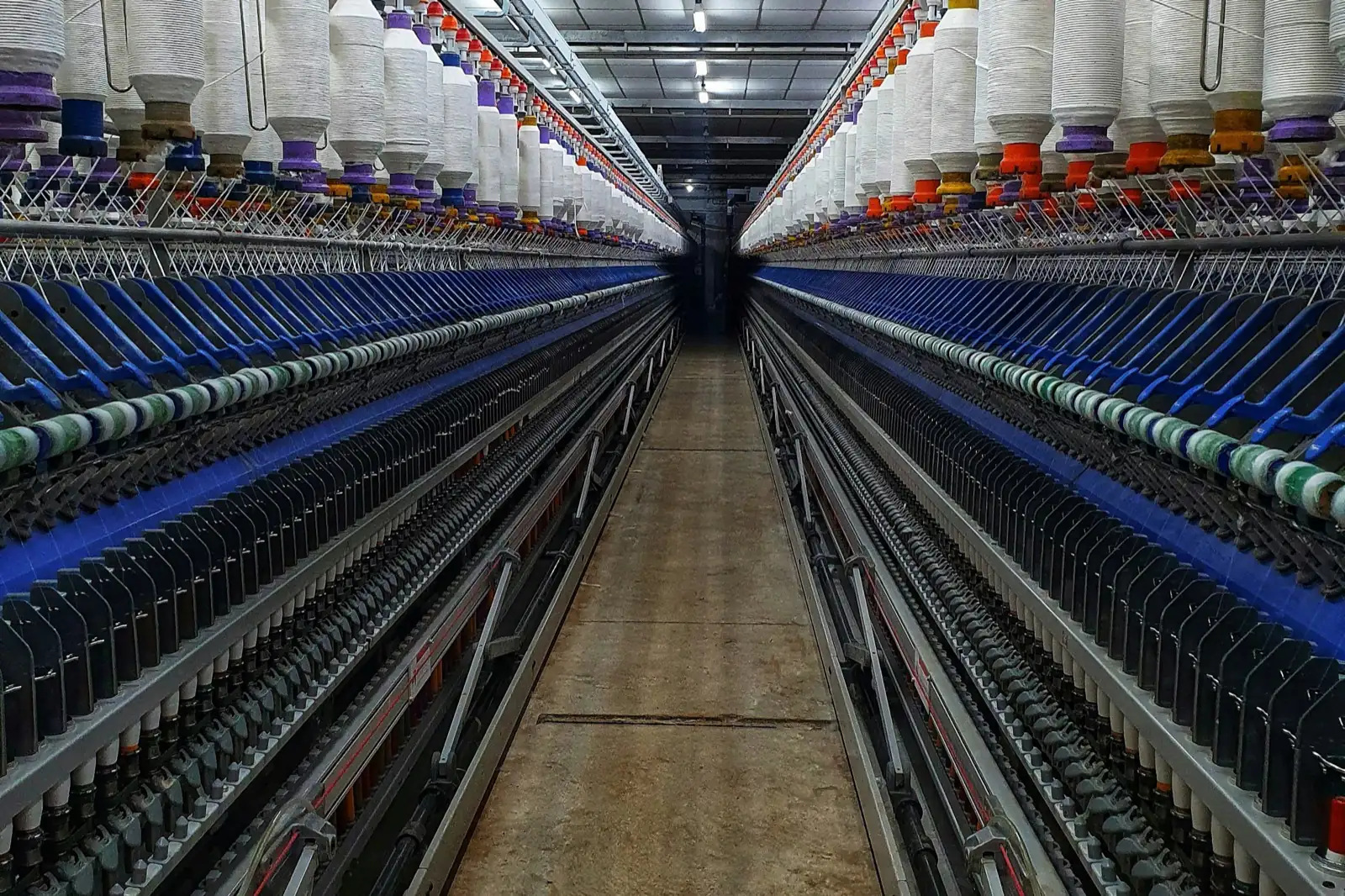
Surat, Gujarat: the man-made fabric capital
If one city defines Indian fabric retail, it is Surat. Once famous as the “Silk City” for its zari and silk weaving, Surat reinvented itself around synthetics and is today the country’s dominant centre for man-made fibre fabrics — polyester, viscose, georgette, chiffon, crepe and their blends. Industry estimates commonly put its share at around 40% of India’s man-made fabric output, produced by a dense web of weaving units, processing houses, embroidery machines and digital printers.
For retailers, Surat matters most through its wholesale markets along Ring Road, which supply sarees, dress materials, kurti fabrics, lehenga materials and embroidered goods to shops across the country.
Buying from Surat: what to know
- Designs move fast, so reorders are not guaranteed. If a print sells well, reorder early — the same design may not exist a month later.
- Sets and catalogues are the norm. Many Surat sellers sell by catalogue, with a fixed number of designs per set. Record each design as a separate variant so you know which ones actually sold.
- Consignments above ₹50,000 need an e-way bill. The official one is generated on the government portal before the parcel moves.
Tiruppur, Tamil Nadu: India’s knitwear capital
Tiruppur is the reason India is a serious name in global knitwear. The cluster makes cotton T-shirts, polo shirts, innerwear, nightwear, sportswear and kidswear for international brands, and it is responsible for an estimated 55% of India’s knitwear exports. In FY2024–25 its exports reached a record of roughly ₹40,000 crore, according to the Tiruppur Exporters’ Association.
What makes Tiruppur interesting for domestic retailers is the spillover. Export-quality production creates a steady flow of surplus, overruns and domestic-label goods that reach wholesale markets across India.
Buying from Tiruppur: what to know
- Size sets are everything. Knitwear sells in size runs. A missing medium loses a sale even when you hold six smalls, so track stock by size, not just by style.
- Ask about GSM and fabric composition. Two T-shirts that look identical can have very different weight and shrinkage.
Coimbatore, Erode and Karur: Tamil Nadu’s textile belt
Tiruppur sits inside the most complete textile ecosystem in the country, and each neighbour owns a different stage of the chain.
Coimbatore — the Manchester of South India
Coimbatore earned the nickname for its spinning mills, and spinning is still what the region does best. Tamil Nadu as a whole holds somewhere between 43% and 46% of India’s spinning capacity, depending on the measure, and the majority of the country’s spinning mills. Retailers rarely buy yarn directly, but this belt’s output ends up in fabric sold everywhere else on this list.
Erode — cotton fabric and the textile market
Erode is a major trading centre for cotton handloom and powerloom products — lungis, towels, bedsheets, dhotis and plain cotton fabrics — with a large wholesale textile market that draws buyers from across South India. For shops selling everyday cotton goods, it is a practical sourcing destination.
Karur — home textiles for the world
Karur specialises in home textiles: bed linen, kitchen linen, table linen, bath linen and curtains. The cluster generates an estimated ₹6,000 crore a year, around 80% of it exported, and supplies large international retail chains.
Ludhiana, Punjab: winterwear and hosiery
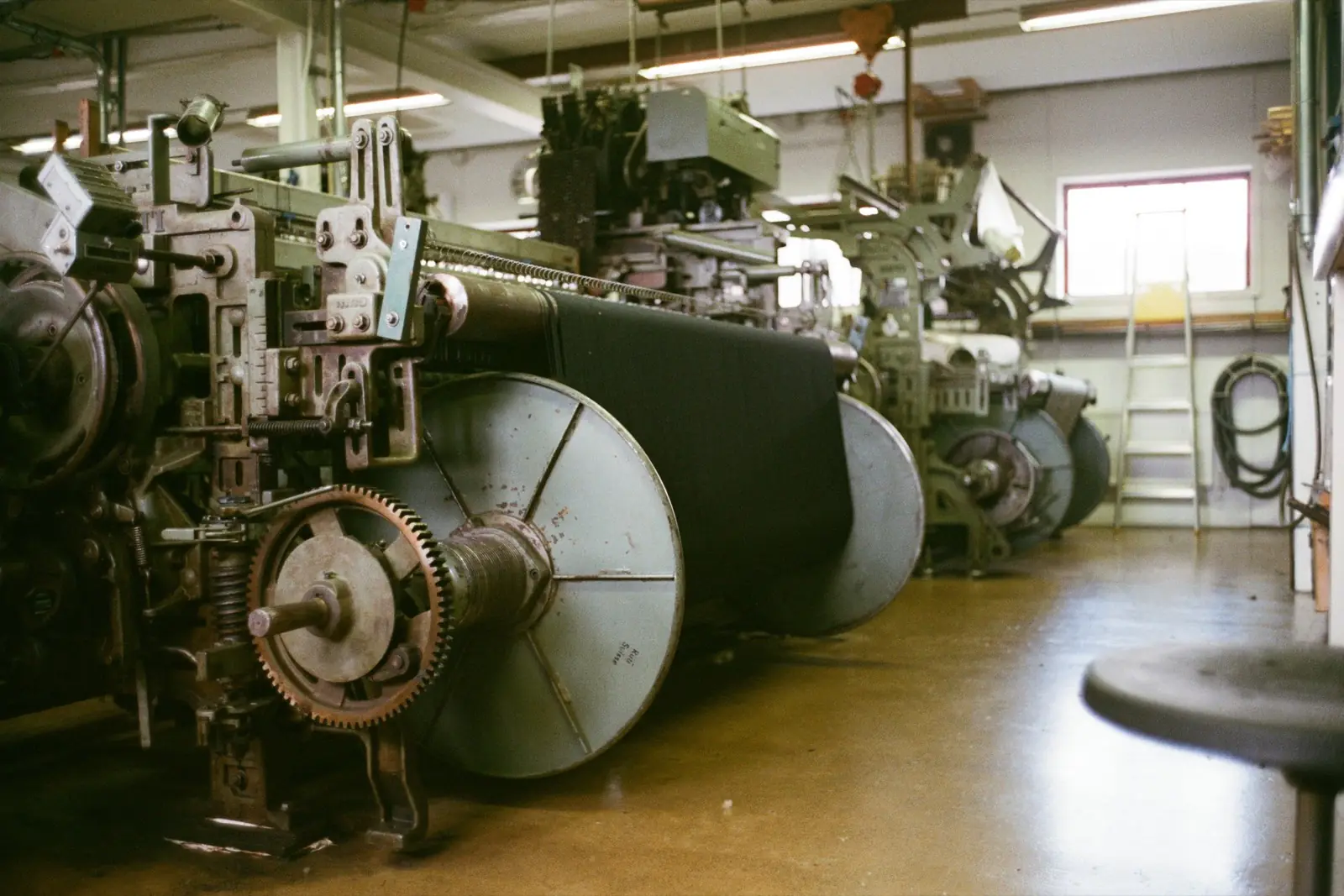
When the temperature drops, India buys from Ludhiana. The city is the country’s centre for woollen and acrylic knitwear — sweaters, cardigans, shawls, mufflers, thermals and socks — and industry estimates consistently attribute somewhere between 80% and 90% or more of India’s woollen knitwear output to it. It also has a large hosiery and garment industry that runs year-round.
Buying from Ludhiana: what to know
- It is the most seasonal hub on this list. Winter stock is booked months ahead — plan the buy in summer, not October.
- Whatever doesn’t sell waits a full year. Unsold winterwear sits on the shelf for eleven months, so buying depth needs discipline.
That seasonality is the textbook case for planning from last year’s numbers rather than memory — the approach we describe in Surviving the festive rush. The same 90-day countdown works for a winter buy.
Panipat, Haryana: the recycling and home-furnishing hub
Panipat is often called the “City of Weavers”, and it has quietly become one of the most important textile towns in the world for a very modern reason: recycling. It is described as Asia’s largest textile recycling hub, turning used garments and textile waste — both collected in India and imported — into recycled yarn, and then into blankets, rugs, carpets, bath mats, cushion covers and home furnishings. It is recognised as a Town of Export Excellence, particularly for woollen blankets.
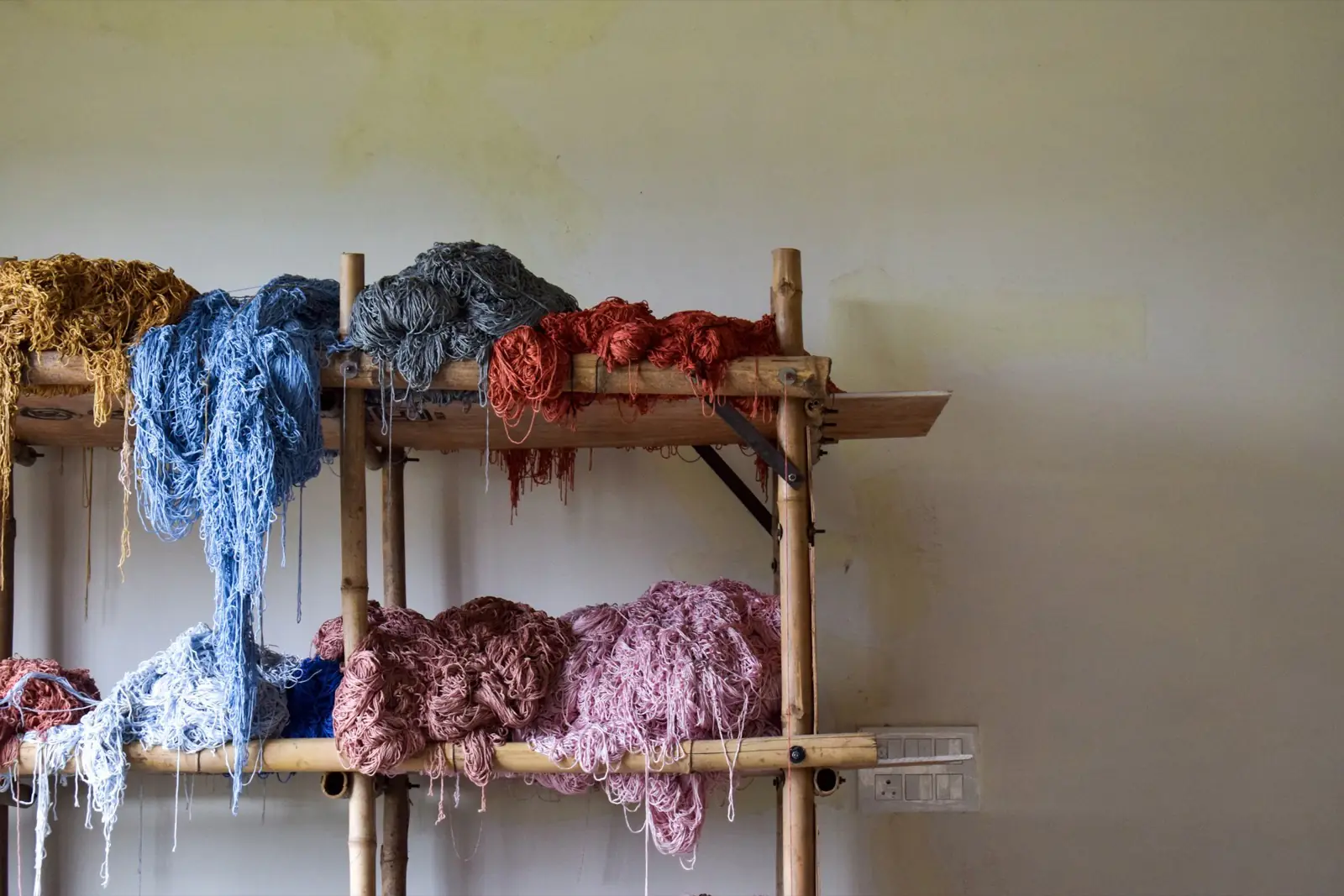
For retailers, Panipat is the source for affordable blankets and furnishings. It is also increasingly relevant to customers who ask about sustainability — recycled-fibre products carry a genuine story.
Bhilwara, Rajasthan: the textile city of suiting
Bhilwara calls itself the “Textile City of India”, and for suiting it has earned the name. The town is widely described as producing around half or more of the suiting fabric made in India, dominated by polyester-viscose (PV) blends, which account for roughly 80% of its production, alongside poly-cotton and poly-wool. Large volumes go into school, corporate and institutional uniform fabrics as well as men’s trouser and suit lengths.
If you sell unstitched suiting and shirting, Bhilwara is almost certainly already in your supply chain somewhere. Buying closer to it is one of the clearest margin opportunities for a men’s fabric shop.
Maharashtra’s powerloom belt: Bhiwandi, Ichalkaranji, Malegaon and Solapur
Maharashtra hosts some of the largest powerloom concentrations in India. These towns mostly produce grey fabric — unfinished woven cloth that is sent on to processing houses for dyeing and printing — so a retailer usually meets their output after it has passed through another hub.
- Bhiwandi, near Mumbai, is one of the country’s biggest powerloom clusters, with thousands of small units weaving grey cloth.
- Ichalkaranji, known as the “Manchester of Maharashtra”, is a leading centre for grey fabric, with a large base of powerlooms, processing units and garment makers.
- Solapur is famous for terry towels and chaddars — both carry Geographical Indication (GI) tags.
Ahmedabad, Gujarat: from mill city to denim
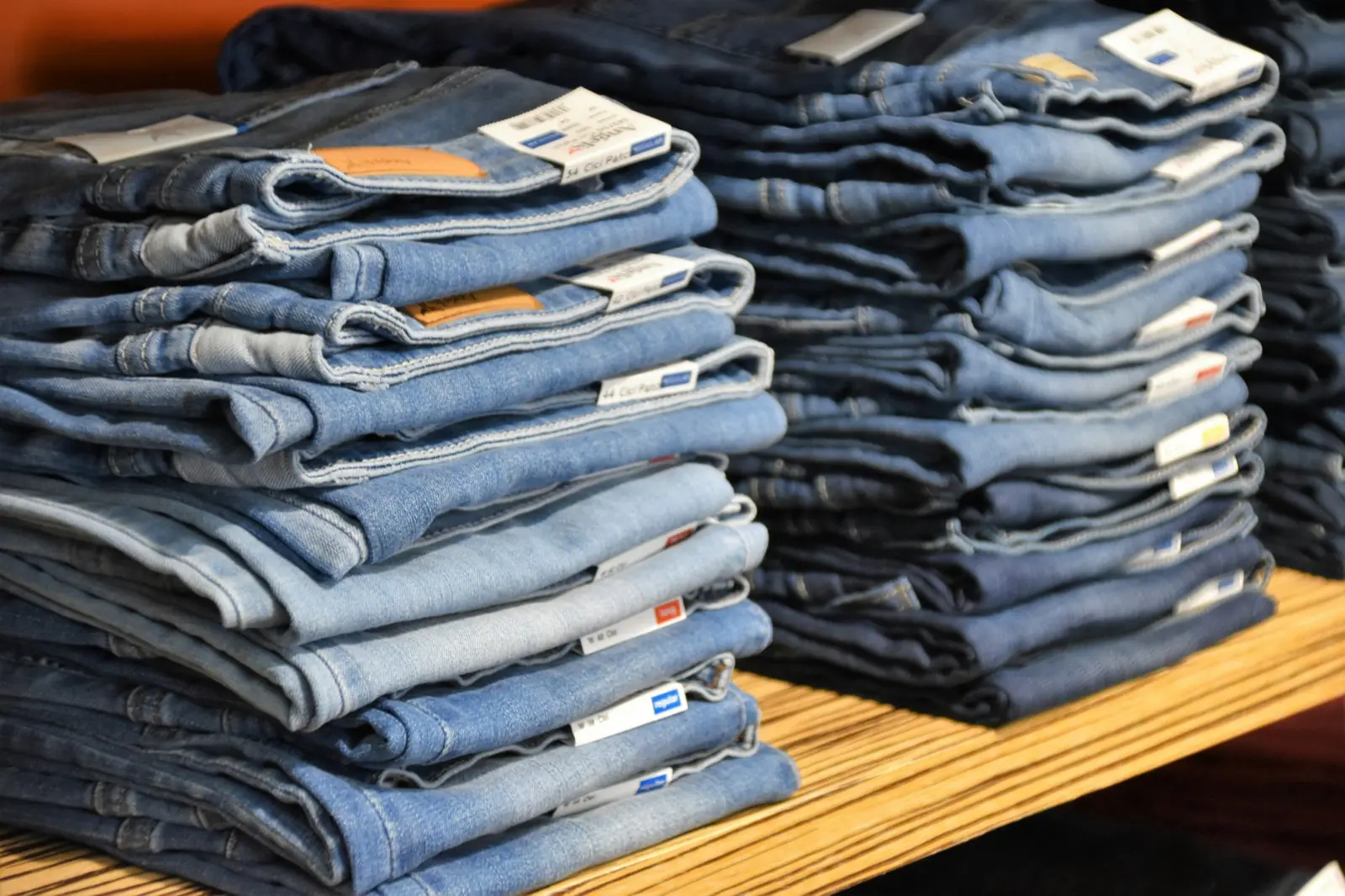
Ahmedabad was once called the “Manchester of the East” for its composite cotton mills. Many of those old mills have closed, but the city remains a textile powerhouse, now best known for denim — it is often referred to as India’s denim capital — along with cotton processing and printing.
Jaipur, Sanganer and Bagru: Rajasthan’s print belt
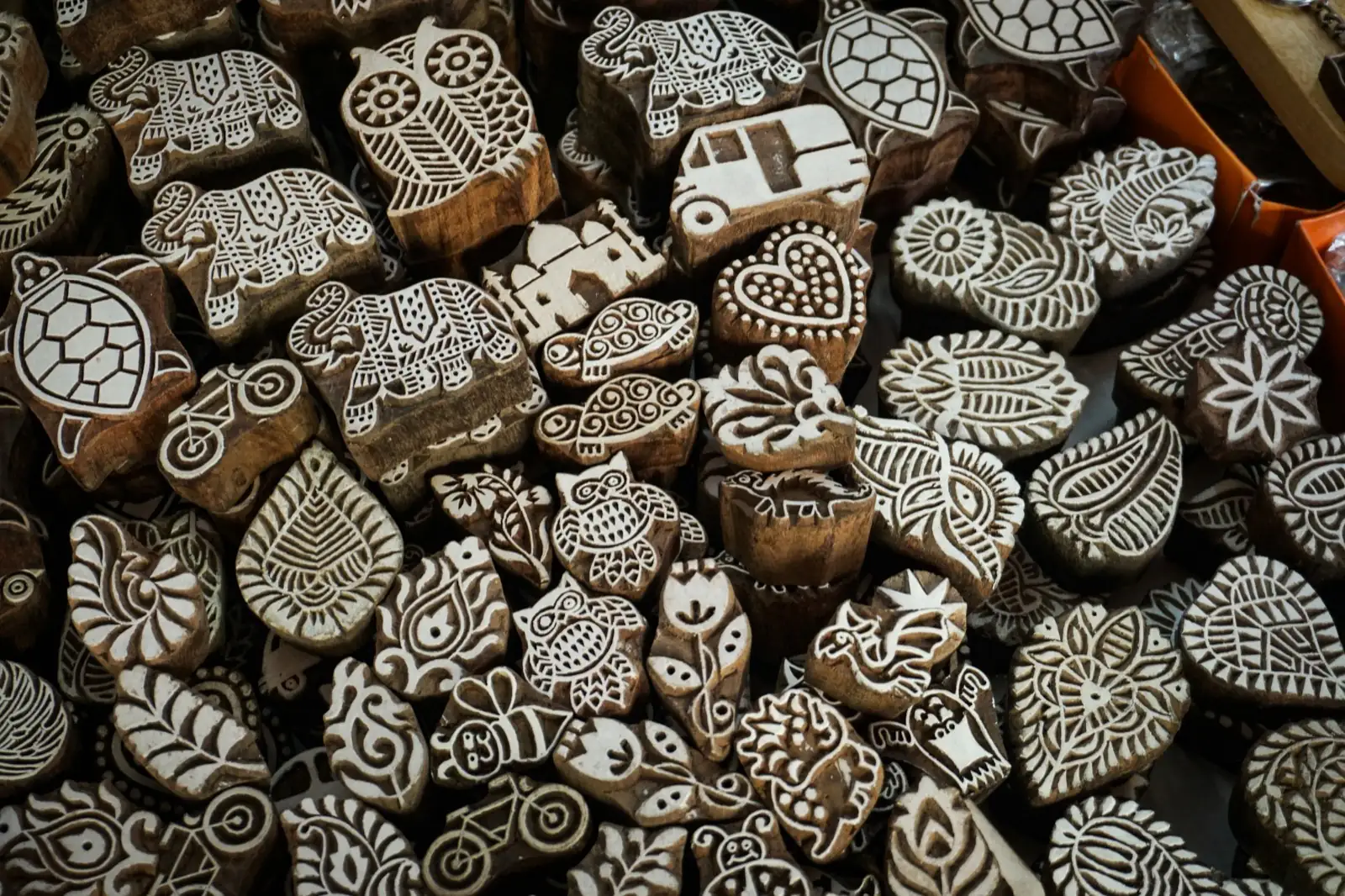
Rajasthan’s block-printing towns produce some of India’s most recognisable textiles. Sanganeri hand block printing, with its fine floral motifs on light grounds, and Bagru printing, with its earthier natural dyes, both hold GI tags. Jaipur is the trading and finishing centre for the region, and famous for its lightweight cotton quilts (razai), printed bedspreads, dress materials and printed cotton fabric by the metre.
Hand block prints command a premium, but they vary naturally from piece to piece — which is part of their appeal.
India’s silk and handloom heritage hubs
Alongside the industrial clusters, India has a set of heritage hubs whose products are protected by Geographical Indication (GI) tags — legal recognition that a product with that name must come from that place. For premium and wedding retail these hubs matter more than any powerloom town.
Varanasi, Uttar Pradesh
Banaras brocades and sarees, woven with intricate zari, are GI-tagged and remain a centrepiece of Indian bridal wear. A genuine Banarasi saree can take days or weeks of handloom work, which is exactly why the market is full of powerloom look-alikes. Buy from trusted weavers or cooperatives.
Kanchipuram, Tamil Nadu
Kanchipuram silk sarees, heavy mulberry silk with contrasting borders often woven separately and interlocked, are GI-tagged and the defining wedding saree of South India.
Karnataka: Mysore silk and Bengaluru
Karnataka leads India in mulberry silk production, and Mysore silk is GI-tagged. Bengaluru, meanwhile, is one of the country’s largest garment manufacturing centres, producing apparel for major domestic and export brands.
Bhagalpur, Bihar and Sualkuchi, Assam
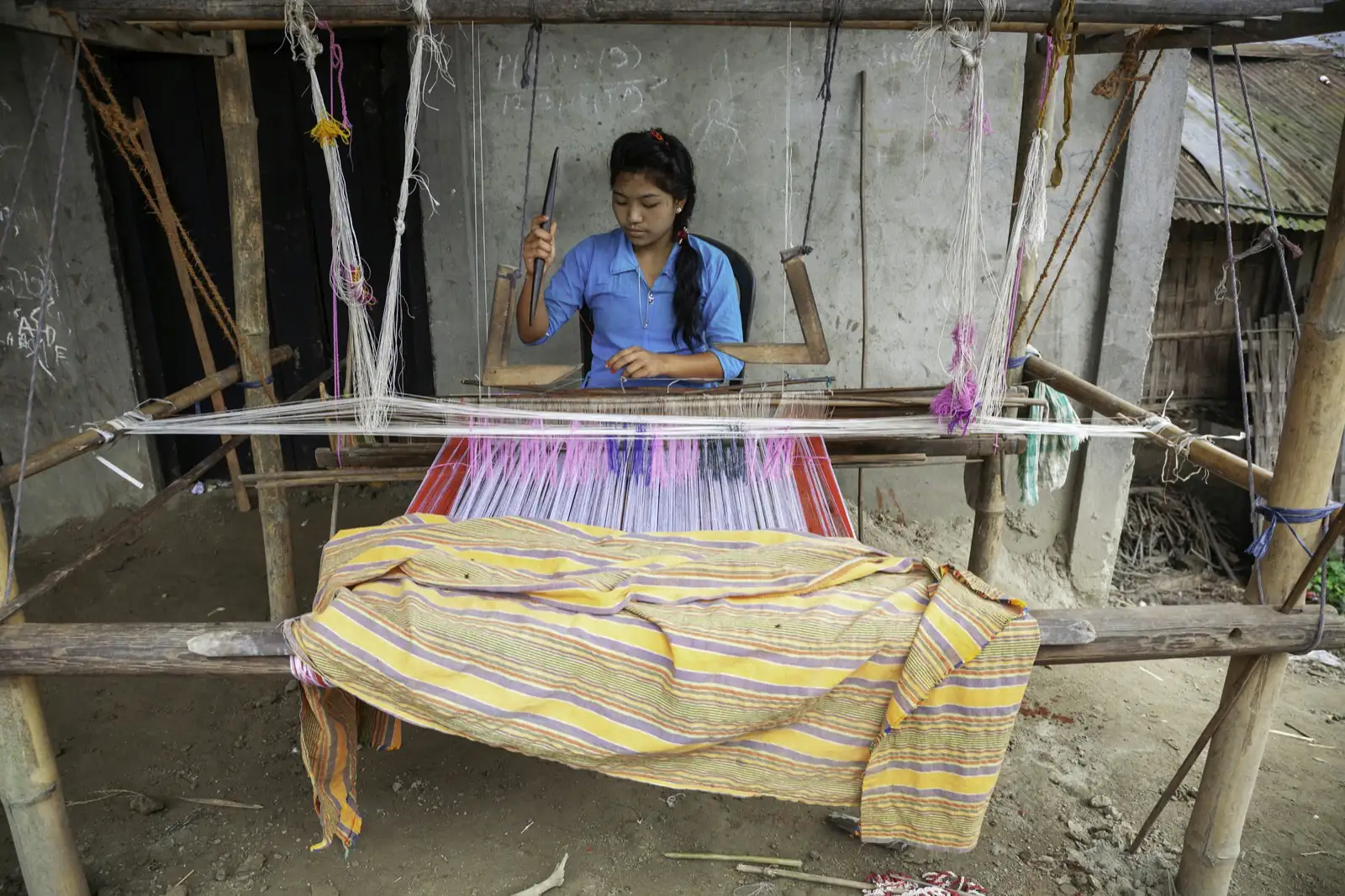
Bhagalpur is known as India’s “Silk City” for tussar silk, and Bhagalpur silk is GI-tagged. In Assam, the weaving village of Sualkuchi is the heart of Assamese silk, including the golden muga silk — also GI-tagged, and produced almost nowhere else.
Pochampally, Chanderi and Maheshwar
Telangana’s Pochampally ikat, with its geometric resist-dyed patterns, and Madhya Pradesh’s Chanderi and Maheshwar sarees — light, sheer and elegant — are all GI-tagged handloom traditions with loyal buyers across the country.
Srinagar, Jammu & Kashmir
Kashmir is home to some of the world’s most valuable textiles. Kashmir Pashmina, Kani shawls woven with small wooden spools, and sozni needle embroidery are all GI-protected. Authentic Pashmina is expensive and widely imitated, so certification and a trusted source matter enormously — both for your reputation and for the customer who is paying for the real thing.
Kolkata, Delhi and Bengaluru: trading and garment hubs
Not every hub makes fabric. Some of the most important are where fabric is traded or turned into garments.
- Kolkata and West Bengal. Burrabazar is one of eastern India’s great wholesale textile markets. West Bengal is also home to most of India’s jute industry and to handloom traditions such as Shantipur and Phulia weaving and the GI-tagged Baluchari saree.
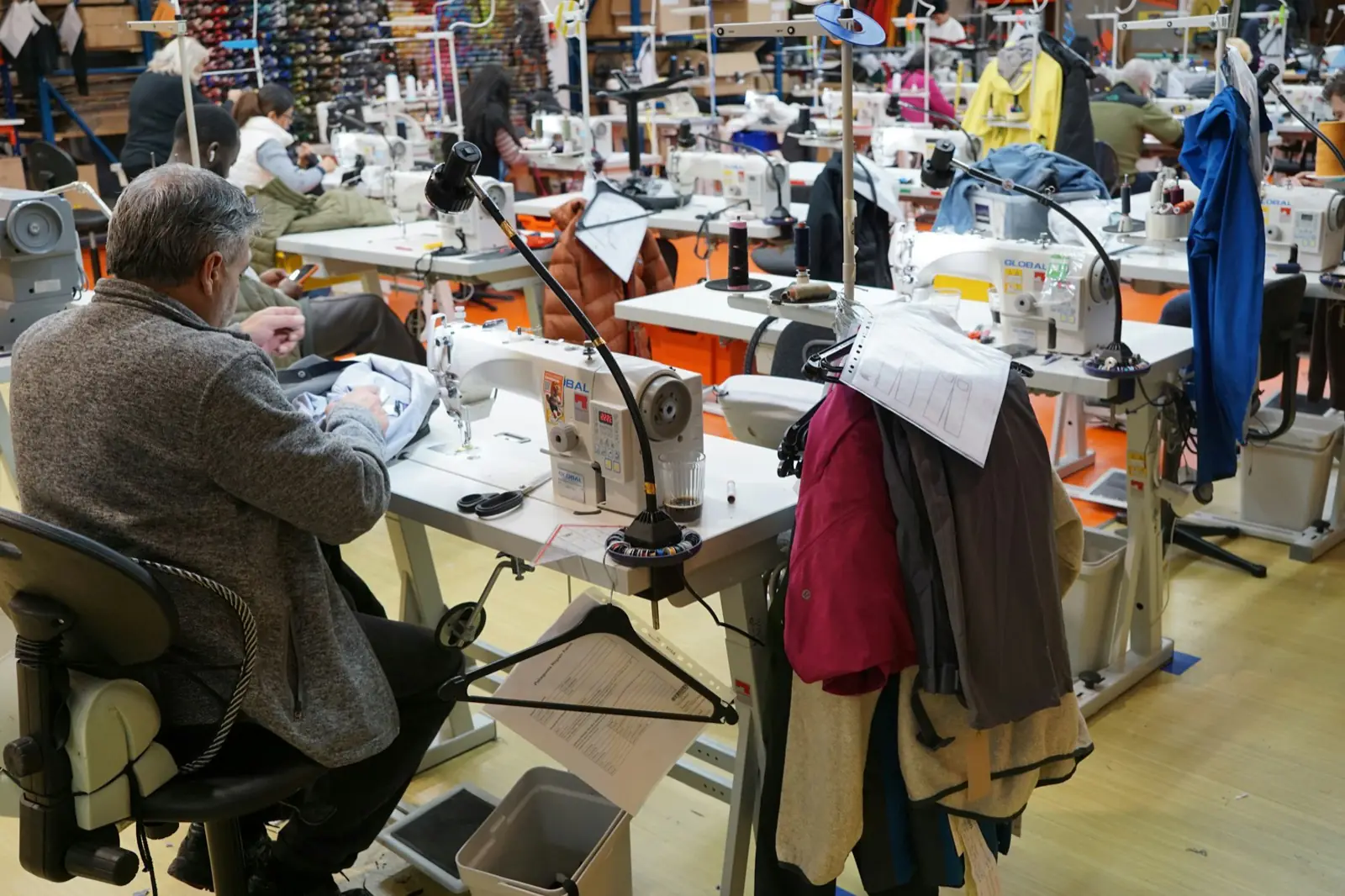
- Delhi NCR. Noida, Gurugram and Okhla form a major export garment cluster, while Delhi’s Gandhi Nagar market is often described as one of Asia’s largest wholesale markets for readymade garments.
- Bengaluru. A large garment manufacturing base that supplies big domestic and international brands.
The next map: PM MITRA textile parks
India’s textile geography is still changing. Under the PM MITRA (Mega Integrated Textile Region and Apparel) scheme, the government has approved seven large integrated textile parks: Navsari (Gujarat), Virudhunagar (Tamil Nadu), Warangal (Telangana), Kalaburagi (Karnataka), Dhar (Madhya Pradesh), Lucknow (Uttar Pradesh) and Amravati (Maharashtra). The scheme carries an outlay of ₹4,445 crore to 2027–28, and aims to attract around ₹70,000 crore of investment and create nearly 20 lakh jobs.
For shop owners, that means new sourcing options over the next few years — worth watching if one sits closer to you than your current suppliers.
What the textile map means for your shop
Knowing the hubs is half the advantage. Buying direct from four or five clusters means more suppliers, larger lots, different tax treatment and costs that change with every restock — and that is where most shops lose the margin they gained. Not in the buying, but in the bookkeeping.
Keep every supplier, and every rupee owed, in one place
In Kapda Stock, each mill, wholesaler and trader you buy from gets a supplier record with their GSTIN, phone and bank IFSC, and a ledger that shows exactly what you owe them. Goods received increase the payable; payments reduce it. If you buy from the same party with and without GST bills, a GST / non-GST twin keeps the two ledgers apart.
Order with purchase orders, receive with a GRN
Raise a purchase order for each buy — supplier, expected date, quantity and rate per line. When the parcel arrives, 📦 Receive goods (GRN) adds the stock at the PO rates and credits the supplier’s payable in one step. Open POs show what is still on its way from each hub.
Know your true cost as prices move
Fabric prices change with yarn prices, and every restock arrives at a slightly different rate. Kapda Stock blends each purchase into a weighted-average cost automatically: 40 metres on hand at ₹200 plus 60 metres bought at ₹250 gives an average of ₹230 a metre. Your margin reports reflect what the stock really cost, not what the first lot cost. The detail is in Stock adjustments & movements.
For fabric sold by the metre, you can also record each thaan separately when it arrives — for example roll lengths of 25, 25 and 20 metres — so you always know which rolls are full and which are down to a remnant.
Let the numbers decide which hub earns its place
Once purchases and sales sit in the same system, you can answer the question that matters most: *which categories — and therefore which hubs — actually make you money?*
- ABC analysis ranks products by revenue, so you can see whether your Surat sarees or your Bhilwara suiting carry the shop.
- Category performance shows which lines earn and which just take up shelf space.
- The dead stock list on the Reports hub flags anything with no sale in 90 days, along with the money tied up in it — the clearest signal that a buy should not be repeated.
- Reorder suggestions use 30-day sales speed to tell you how much to reorder, so you top up the fast movers from the right hub before they run out.
Get HSN codes and GST right for goods from every hub
Goods from different hubs fall under different HSN chapters, and in some cases different GST rates. Every Kapda Stock workspace comes with the full textile HSN range, 5001–6310, preloaded. Here is how the hubs map onto it:
| Typical goods | Typical hubs | HSN chapter |
|---|---|---|
| Silk sarees and silk fabric | Varanasi, Kanchipuram, Bhagalpur | 50 — Silk |
| Woven cotton fabric | Erode, Ahmedabad, Jaipur | 52 — Cotton |
| Polyester and synthetic fabric | Surat, Bhilwara | 54–55 — Man-made fibres |
| T-shirts, innerwear, sweaters | Tiruppur, Ludhiana | 61 — Knitted apparel |
| Shirts, trousers, suits | Delhi NCR, Bengaluru | 62 — Apparel, not knitted |
| Bedsheets, towels, blankets | Karur, Solapur, Panipat | 63 — Made-up textile articles |
Choose the HSN code and GST rate carefully when you add a product, because neither can be edited afterwards, and garment rates can depend on the selling price. From there, CGST, SGST or IGST is calculated on every bill from the customer’s GSTIN. We explain the full picture, including what your CA still handles, in What Kapda Stock really does about GST.
Paperwork when goods travel between states
Buying from a hub usually means goods crossing a state border. A consignment worth more than ₹50,000 needs an e-way bill, generated on the government portal. Kapda Stock’s e-way bill section keeps a record against your invoices, with validity worked out by distance and an alert before it expires. Remember that this in-app record is for tracking only — the legal document is always the one from the portal.
A sourcing checklist for your next buying trip
Before you board the train to Surat or place your winter order with Ludhiana, work through this list.
- Check last season’s sales by category. Buy more of what sold at full price, and less of what you had to discount.
- Check dead stock by supplier and category. Do not repeat a buy that is still sitting on the shelf.
- Check what you owe each supplier. Settle what you need to before asking for credit on a new order.
- List the fast movers to reorder, with quantities based on sales speed rather than feel.
- Confirm HSN codes and GST rates for any new category before the goods arrive.
- Raise a purchase order for each supplier so you know what is on its way and at what rate.
- Confirm the e-way bill for consignments above ₹50,000 before they leave the hub.
- Receive against the PO when the goods arrive, and count them, so stock, cost and payables all update together.
If you are still keeping purchases in a diary, set this up in the right order. Shop details and tax settings come first, then products and suppliers, then opening balances. Our 30-day switching plan walks through the sequence week by week.
Buy like the hubs, run like a business
India’s textile hubs are extraordinary — generations of specialised skill, compressed into towns that can out-price and out-design almost anywhere in the world. The shops that do best are the ones that buy from them deliberately: the right category from the right hub, in the right quantity, at a cost they understand and a margin they can see.
That last part is what Kapda Stock is built for. Supplier ledgers, purchase orders, weighted-average costing, reorder suggestions, dead-stock reports and GST-ready billing in one place, designed for Indian textile and clothing shops. See all the features, compare plans, or set up your workspace in under a minute and put your next buying trip on firmer ground.
Frequently asked questions
Which is the biggest textile hub in India?
It depends on the product. Surat is the largest centre for man-made fibre fabrics like polyester and viscose. Tiruppur leads in cotton knitwear exports, and Tamil Nadu as a whole holds the largest share of India’s spinning capacity. Bhilwara dominates suiting, and Ludhiana dominates woollen knitwear.
Where can a shop owner buy fabric wholesale in India?
Buy from the hub that specialises in what you sell — Surat for sarees and synthetics, Bhilwara for suiting, Tiruppur for T-shirts, Ludhiana for winterwear, Karur for home textiles, Varanasi or Kanchipuram for silk. Delhi, Mumbai and Kolkata also have large wholesale markets.
Why is Tiruppur called the knitwear capital of India?
Tiruppur makes cotton T-shirts, innerwear and kidswear for global brands, accounts for an estimated 55% of India’s knitwear exports — about ₹40,000 crore in FY2024–25 — and has knitting, dyeing and stitching within one cluster.
What is a GI tag, and which Indian textiles have one?
A Geographical Indication tag legally links a product’s name to the place it comes from. GI-tagged textiles include Banaras brocades and sarees, Kanchipuram silk, Mysore silk, Bhagalpur silk, Muga silk of Assam, Pochampally ikat, Chanderi and Maheshwar sarees, Baluchari sarees, Kashmir Pashmina, Kani shawls, and Sanganeri and Bagru hand block prints.
How do I manage suppliers from different textile hubs?
Give each supplier a record with their GSTIN and a ledger of what you owe, order with purchase orders, and receive goods against those orders so stock, cost and payables update together. In Kapda Stock this is handled by Suppliers and Purchase orders, with a weighted-average cost worked out automatically on every purchase.
Do I need an e-way bill when buying fabric from another state?
Generally yes, when the consignment is worth more than ₹50,000. The official e-way bill has to be generated on the government portal before the goods move, usually by the supplier or transporter. Kapda Stock can track it with expiry alerts, but that record does not replace the portal document.
See it working in your own shop
Set up a workspace in under a minute, or read the step-by-step guides in the docs.