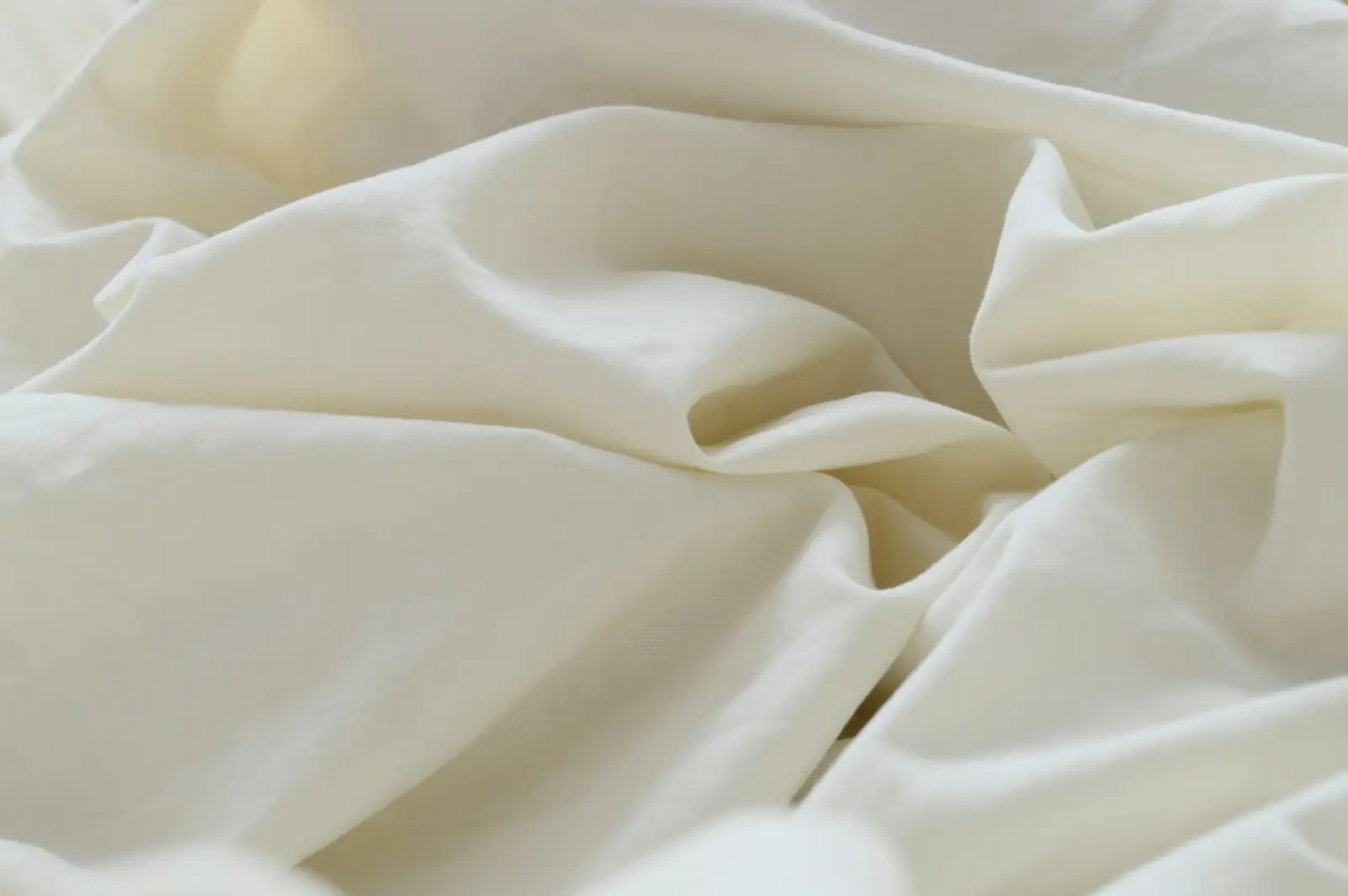
White flannel fabric: uses, stock and selling tips for fabric stores
White flannel looks like the dullest bolt in the shop. It is also one of the most dependable: new parents, nightwear makers, tailors lining winter kurtas and even the local cricket club all come looking for it. Here is how to stock it, store it and sell it well.
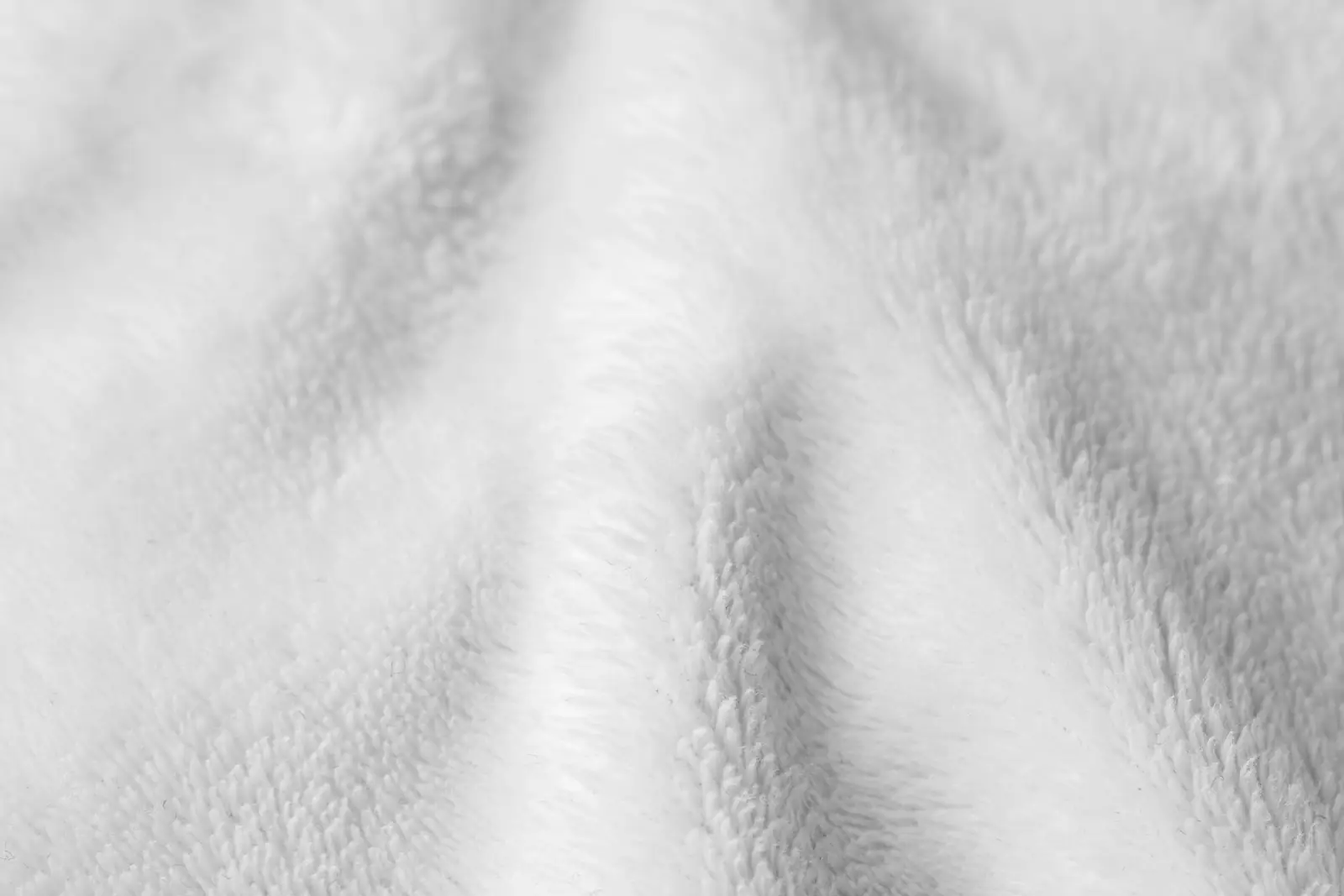
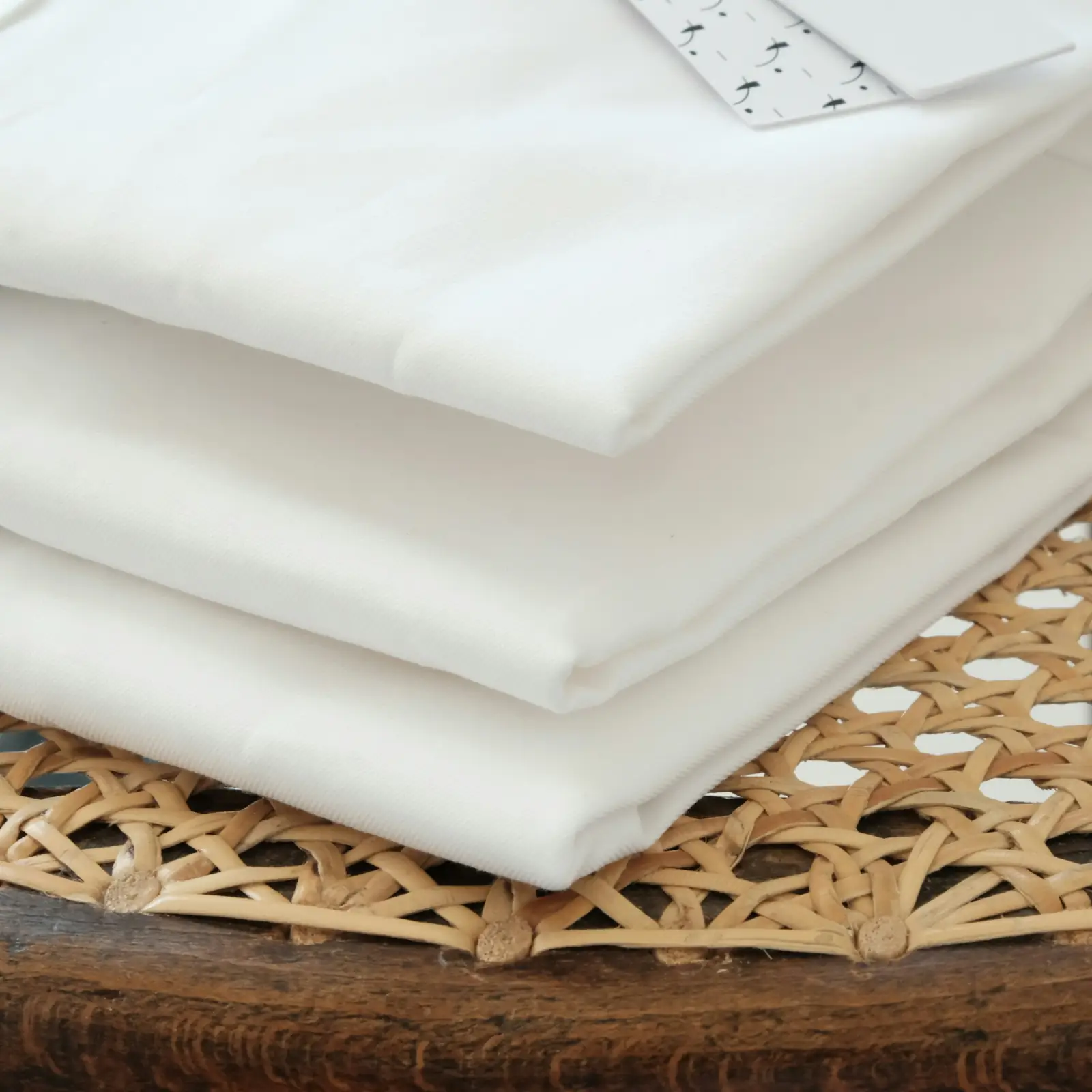
Photo: engin akyurt on Unsplash
Nobody walks into a fabric shop excited about white flannel. They walk in because they need it. A grandmother wants soft langot cloth for a new grandchild. A tailor needs lining for a batch of winter kurtas. A nightwear maker wants ten metres for pyjama sets. An optician wants lint-free polishing cloths. And every few months someone from the local cricket club asks, slightly embarrassed, whether you have anything for whites.
That is the quiet strength of white flannel fabric. It isn’t fashion, it doesn’t go out of style, and demand for it is steady in a way that few fabrics can match. It does have its own problems: white stock yellows, flannel sheds lint and shrinks, and customers often don’t know which kind they need. This guide covers what flannel is, who buys white flannel and for what, how to store it so it stays white, and how to keep it in stock without tying up money.
What flannel is — and why the word confuses people
Flannel is a soft woven fabric that has been napped: brushed, usually with fine wire brushes, so that loose fibres rise from the surface and give it that fuzzy, warm feel. The name is often traced to a Welsh word for a woollen cloth, and flannel was originally made of wool. Today, in most Indian fabric shops, flannel means cotton.
| Kind | What it is | Typical use |
|---|---|---|
| Cotton flannel, double-napped | Brushed on both sides; soft and warm | Baby wear, nightwear, receiving blankets |
| Cotton flannel, single-napped | Brushed on one side, smoother on the other | Linings, shirts, pyjamas |
| Flannelette | A lighter cotton flannel, lightly napped | Nightwear, children’s clothes, sheets |
| Wool flannel | Woven wool, softly finished, often in suiting weights | Trousers, suits, cricket whites |
| Blended flannel | Cotton or wool mixed with polyester | Cheaper nightwear, uniforms |
When a customer says “flannel,” ask what they are making. A new mother wants double-napped cotton. A tailor making trousers wants wool flannel, which is a very different product at a very different price. Keeping the two in separate categories — cotton flannel with your plain cottons, wool flannel with suiting — stops the reports from mixing them up.
Who buys white flannel, and what each needs
New parents and grandparents
This is the biggest and steadiest market. Soft white cotton flannel is used for nappies and langots, receiving blankets, baby vests, bibs and cot sheets. Buyers want it soft, absorbent and without harsh dyes, which is why white is preferred. They buy small amounts often, and they are loyal to the shop that has it every time they come.

Nightwear and loungewear makers
Home tailors and small workshops make pyjamas, nightgowns and kurta-pyjama sets from flannel, especially for winter. They buy in larger lots and care about consistency — the same weight and whiteness every time — so their finished pieces match.
Tailors who need lining
White flannel is a soft, warm lining for winter kurtas, waistcoats and children’s jackets. Tailors buy it in quantity before winter and appreciate a shop that stocks it reliably, because a lining that runs out halfway through an order holds up every garment.
Cricketers and clubs
Cricket trousers were traditionally made of white wool flannel, which is why old-timers still call whites “flannels.” Most modern cricket kit is synthetic, but clubs, schools and older players still ask for flannel trousers made to measure. It is a small market, but a loyal one, and wool flannel trouser lengths sell at a healthy margin.

Cleaning and polishing trades
Soft cotton flannel is used for polishing glasses, jewellery, silverware, instruments and car paint, because the nap holds dust without scratching. Opticians, jewellers and car detailers buy it in small cuts or bundles. White is preferred because it shows what it has picked up.
Crafters and printers
White flannel takes dye, fabric paint and embroidery well, and it is popular for soft toys, quilt backing and children’s crafts. These customers often want pre-cut pieces rather than long lengths.
Which white flannels to stock
It is tempting to carry one white flannel and call it done. Customers quickly show you why that doesn’t work: the new mother finds it too rough, the nightwear maker finds it too thin, and the tailor wants something wider. Three things separate one white flannel from another.
| Weight | Feel | Best for |
|---|---|---|
| Light (flannelette) | Thin, soft, lightly brushed | Summer nightwear, children’s clothes, linings |
| Medium | Soft and warm without bulk | Baby wear, langots, pyjamas, kurta linings |
| Heavy | Thick, dense and cosy | Receiving blankets, winter shirts, sheets |
- Weight. Customers describe it as thick or thin. Suppliers may quote GSM or simply grade their range. Keep a folded sample of each on the counter so customers can compare.
- Width. Narrower flannel suits baby wear and small pieces; wider flannel wastes less on sheets and blankets. Label the width on every roll and price tag.
- Shade of white. Optical or bright white has been bleached and often brightened; natural or off-white is softer in tone. Baby buyers often prefer the softer white; nightwear makers often want the brightest.
How many kinds to carry
A small shop can do very well with two: a medium double-napped white for baby wear and a lighter white for nightwear and linings. A larger shop might add a heavy flannel for blankets, a wider width for sheets, and wool flannel in the suiting section. Add a new kind only when customers keep asking for it; every extra kind is another roll to keep white and another item to reorder.
Testing a new supplier’s flannel
Before you commit to a new supplier, do three quick tests on a sample. Rub two pieces firmly together twenty or thirty times and look for pilling. Wash a measured square in hot water and measure it again. Then hold the washed and unwashed pieces side by side in daylight: some whites lose their brightness after one wash. A flannel that passes all three is worth ordering in depth. One that fails any of them will come back to your counter as a complaint.
Keeping white flannel white
White fabric is unforgiving. A roll that was brilliant white when it arrived can be cream at the edges three months later, and a yellowed outer layer makes the whole roll look old.
- Keep it out of sunlight. Sun and even strong shop lighting yellow white cotton and can fade optical brighteners.
- Wrap rolls in paper or a cotton cloth, not sealed plastic, for long storage. Plastic traps moisture and can leave marks over time. A breathable wrap keeps dust off while letting the fabric breathe.
- Store away from smoke, cooking fumes and damp walls. All of them discolour white fabric.
- Sell oldest first. Put newly arrived rolls behind the started ones, so no roll sits long enough to yellow.
- Don’t buy a year’s supply. A steady reorder rhythm keeps stock fresh; a big bulk buy means the last rolls go out yellowed.
Lint: the other white-flannel problem
Napped fabric sheds loose fibres, especially at cut edges. Cut white flannel on a clean table away from dark fabrics, brush the cutting table down after, and fold cut pieces straight into a bag. A customer who takes home white flannel with navy lint on it will not come back happy.
What to tell customers before they cut
A few honest words at the counter save a lot of complaints later.
- It shrinks. Napped cotton flannel often shrinks noticeably in the first wash. For baby wear and nightwear, advise washing before cutting and buying a little extra. Better still, wash a test square from every new lot and write the result on the roll tag.
- It has a direction. The nap lies slightly one way. For garments, cut all pieces in the same direction so the fabric looks and feels the same throughout.
- It can pill. Cheaper flannels can form small balls of fibre after washing. If you stock two grades, a quick side-by-side comparison explains the price difference better than words.
- Double-napped is softer and warmer. For babies, it is worth the difference in price; for linings, single-napped is often enough.
Setting up white flannel so you can track it
Because white flannel sells steadily in small amounts, it is easy to lose track of and embarrassing to run out of. The fix is a clean set-up from day one.
| Flannel | SKU | Unit |
|---|---|---|
| Cotton flannel, double-napped, white, 36 inch | FLN-CTN-DN-WHT-36 | MTR |
| Cotton flannel, single-napped, white, 44 inch | FLN-CTN-SN-WHT-44 | MTR |
| Flannelette, white | FLN-FLT-WHT | MTR |
| Wool flannel, off-white, trouser length | FLN-WOL-OWHT-TR | PCS |
| Baby langot pack, 6 pieces, pre-cut | FLN-BBY-LANG6 | SET |
In Kapda Stock, add each flannel from the + Add product form, with MTR for fabric sold by the metre and PCS or SET for pre-cut packs. Choose the unit, HSN code and GST rate carefully, because they can’t be edited after saving. Cotton flannel usually falls in HSN chapter 52 and wool flannel in chapter 51, but the exact heading depends on the weight and make-up of the cloth, so confirm with your CA. Products and HSN codes & GST rates cover both.
Register each roll’s length when it arrives. White flannel tends to be cut in many small pieces, and knowing exactly what is left on each roll stops a salesman promising 2 metres from a roll with 1.4. How to track rolls of fabric covers the full system.
When demand for white flannel moves
| Buyer | When demand is strongest | What to do |
|---|---|---|
| Baby buyers | All year, with a steady rhythm | Keep a fixed minimum stock and reorder on the alert |
| Nightwear makers | From the first cool weeks through winter | Raise minimum stock before the season starts |
| Tailors needing lining | Late autumn, when winter orders begin | Check with regular tailors before winter and order ahead |
| Cricket and uniform buyers | Before the local season or school year | Hold a small stock of wool flannel; order to demand |
| Polishing and craft buyers | All year, small amounts | Sell off remnants and pre-cut packs |
Selling to institutions
Nursing homes, hospitals, crèches and schools sometimes buy white flannel in quantity for baby care or uniforms. These orders are large, need a proper GST invoice and often come with a delivery date. A quotation built from your actual products carries the right HSN codes and GST rates through to the bill, and a sales order records the promised delivery date until the goods are ready. Lines typed as free text on either don’t carry HSN or GST, so build institutional quotes from real products.
Keeping it in stock without overbuying
White flannel is the textbook case for steady, automatic reordering: predictable demand, a product that doesn’t improve with age, and customers who notice every time it runs out.
- Set a minimum stock level for each flannel. When it drops to that level, Kapda Stock shows a red Low stock badge and includes it in the 9:00 AM alert the owner receives by email and WhatsApp.
- Let sales speed set the order size. Reorder suggestions use the last 30 days of sales. If double-napped white flannel sold 60 metres in 30 days, that is 2 a day; with a 7-day lead time and 6 metres on hand, the suggestion is 7 × 2 − 6 = 8 metres. See Low stock & reorder.
- Raise a purchase order when you order. A purchase order records the agreed rate; receiving it adds the stock and updates what you owe the supplier in one step.
- Watch the cost. Each purchase blends into a weighted-average cost, so rising cotton prices show up in your margins the day the new stock arrives.
Turning a plain fabric into steady repeat business
Flannel margins per metre are modest. Its value is the loyalty it builds. Parents who find soft white flannel reliably at your shop come back for every baby in the family, and often for festive clothes later.
- Sell pre-cut baby packs. Six langot squares, a receiving blanket length, or a newborn starter bundle sold as a fixed-price SET item makes a popular gift and saves time at the counter.
- Put baby flannel next to soft muslin. Parents shopping for one often need the other; our guide to muslin fabric by the yard covers that line.
- Save regulars as customers. A nightwear maker or tailor who buys every month is worth knowing by name, and if they buy on account, their khata stays straight. Payments & credit explains how.
- Offer a standing trade rate to tailors and workshops with a coupon code they quote at the counter. Offers & promotions supports minimum bills and usage limits.
- Keep a polishing-cloth pack for opticians and jewellers — a small, easy add-on sale.

Handling complaints and returns fairly
Most white-flannel complaints are about the same three things: it shrank, it pilled, or it wasn’t as white as the customer expected. The best defence is the conversation before the cut, and a shrinkage figure written on the roll tag makes that conversation easy.
Decide your policy on cut fabric and tell customers clearly. Many shops don’t take back cut lengths unless there is a fault, but will exchange uncut pre-packed items such as baby packs. When you do accept a return, record it properly rather than handing over cash from the drawer. In Kapda Stock, a sales return is made against the original invoice: the stock goes back, a credit note is issued automatically, and if the bill had a customer their balance is adjusted. Return quantities are whole units, so pre-packed items are the easiest to return cleanly.
The Returns report shows what comes back and how often. If one flannel keeps coming back, the supplier, not the customer, is usually the problem.
Reading what white flannel is worth to you
Because white flannel sells in small bills, its importance is easy to underestimate. Two reports put it in perspective:
- [Category performance](/docs/reports/category-performance) shows revenue, cost and margin for each category over this month or this year. Plain cottons, including flannel, rarely top the revenue list but often show a steady margin.
- [Bill size analysis](/docs/reports/basket-analysis) shows how your bills spread across value bands. If flannel buyers cluster in the smallest bands, a baby pack or a matching add-on is where the margin grows.
A plain fabric worth running properly
White flannel will never be the star of the shop window. It is the fabric that keeps new parents, tailors and nightwear makers coming back every month. Store it away from sun and damp, keep the kinds clearly separated, tell customers about shrinkage and nap before they cut, and let steady reordering do the rest.
Kapda Stock makes the routine part easy: roll-by-roll tracking, minimum stock alerts every morning, reorder suggestions from real sales, pre-cut packs sold as their own items, and GST-ready bills. See all the features, compare the plans, or set up your shop and add your first roll of white flannel today.
Frequently asked questions
What is white flannel fabric used for?
White flannel is used for baby nappies and langots, receiving blankets and baby clothes, nightwear and pyjamas, linings for winter kurtas and jackets, polishing cloths, crafts and soft toys. White wool flannel is also the traditional fabric for cricket trousers, which is why cricket whites are sometimes called flannels.
Is flannel made of cotton or wool?
Both. Flannel was originally a woollen fabric, and wool flannel is still used for trousers and suits. Most flannel sold in Indian fabric shops today is cotton flannel, which has been brushed to raise a soft nap on one or both sides.
Does white cotton flannel shrink?
Yes, napped cotton flannel often shrinks noticeably in the first wash. It is best to wash it before cutting, especially for baby clothes and nightwear, and to buy a little extra length. Washing a test square from each new lot tells you how much.
How do I stop white fabric from turning yellow in storage?
Keep it out of sunlight and strong light, away from smoke, cooking fumes and damp, and wrapped in paper or cotton rather than sealed plastic for long storage. Selling the oldest rolls first and avoiding very large bulk purchases keeps stock from sitting long enough to yellow.
What is the difference between single-napped and double-napped flannel?
Single-napped flannel is brushed on one side only, so one face is soft and the other smoother. Double-napped flannel is brushed on both sides, making it softer and warmer overall, which is why it is preferred for baby wear and cosy nightwear.
What is the best flannel for baby clothes?
Soft, double-napped cotton flannel in white or a soft natural white is usually preferred for baby clothes, nappies and receiving blankets, because it is warm, absorbent and gentle on skin. Wash it before cutting, since cotton flannel often shrinks in the first wash.
See it working in your own shop
Set up a workspace in under a minute, or read the step-by-step guides in the docs.