How to track rolls of fabric in a textile shop
A shop can know it has 180 metres of a fabric and still be unable to sell a 3-metre piece. The answer is not in the total — it is in the rolls. Here is how to track every thaan from delivery to the last remnant.
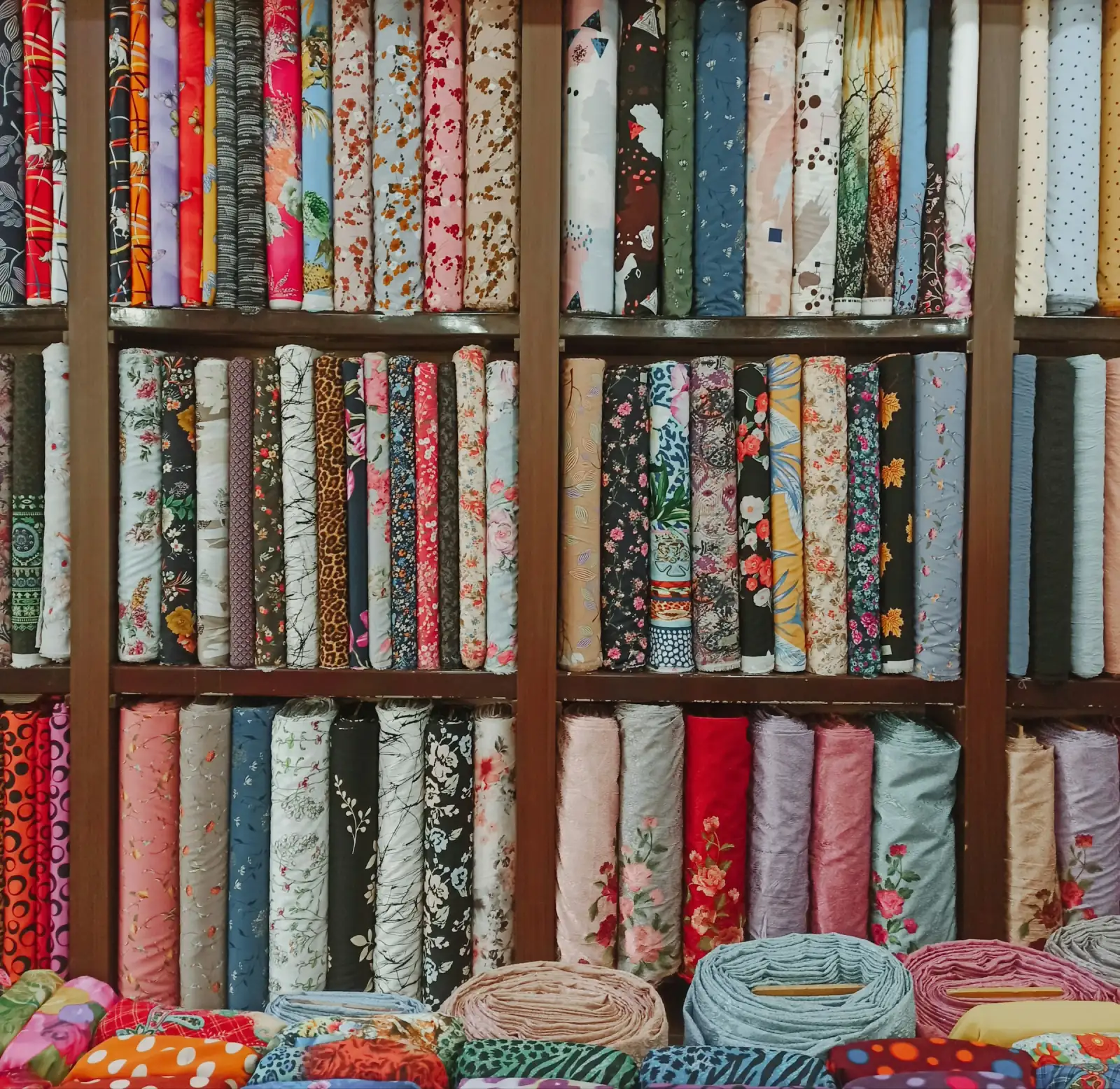
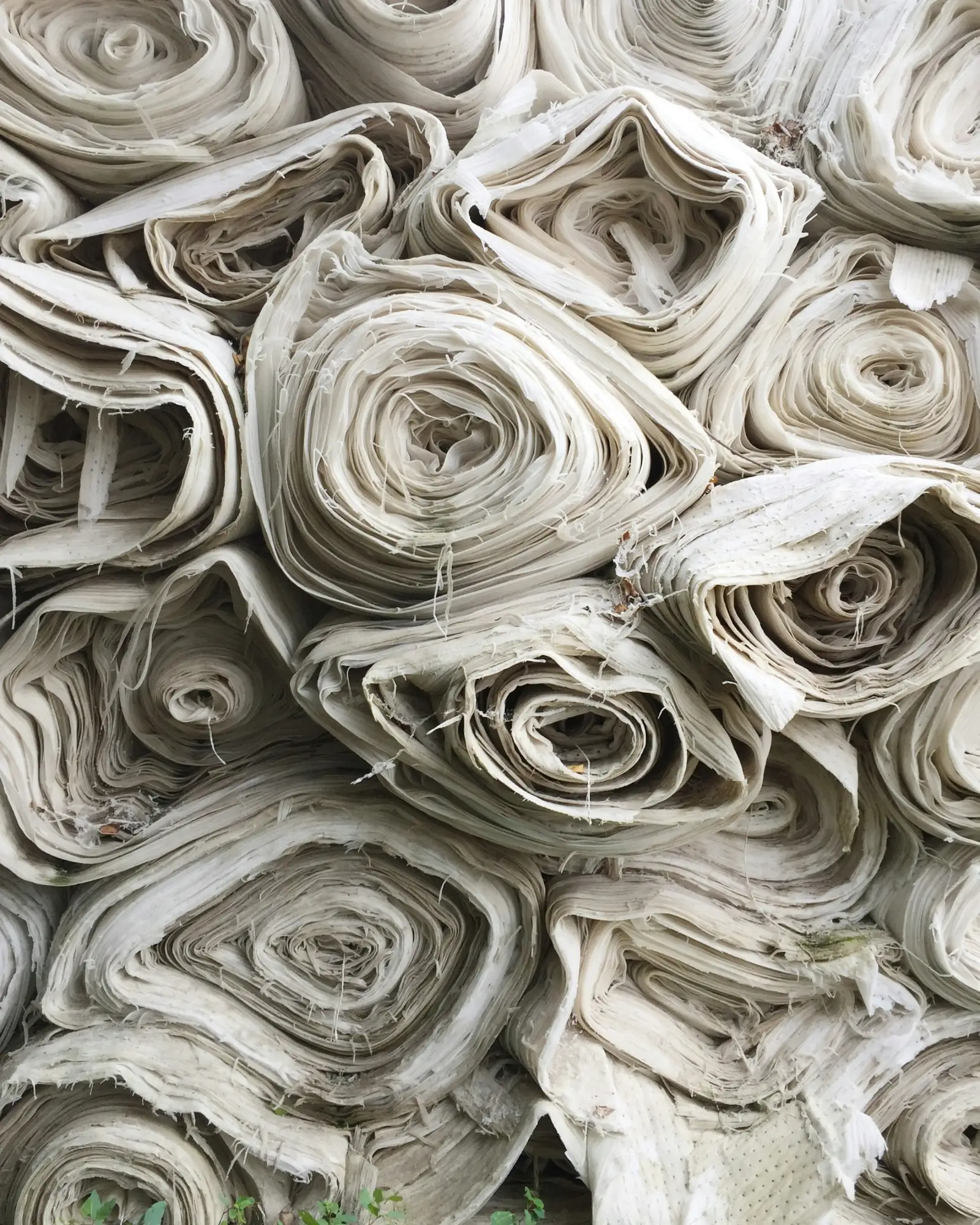
Photo: Tuti Fruti Cahyadi on Unsplash
Here is a situation every textile shop owner recognises. The books say you have 180 metres of a navy cotton. A customer wants 3 metres in one piece for a pair of curtains. Your salesman comes back from the stockroom with bad news: there are nine rolls, and seven of them have less than 3 metres left. You have plenty of fabric and nothing to sell her.
The problem is that fabric doesn’t really exist as a total. It exists as rolls of fabric — separate thaans, each with its own length, its own shade from its own dye lot, and its own history of cuts. A shop that tracks only the total will always be surprised by the shelf. A shop that tracks the rolls knows before the customer asks.
This guide sets out a practical roll-tracking system for a textile shop: what to do when the rolls arrive, how to number and store them, how to record cuts without slowing the counter, what to do with remnants, and how to check the whole thing once a week in a few minutes.
Why the total metres lie
Stock totals are useful for valuing the shop and for reordering. They are useless for answering the only question a customer asks: can I have this much, in one piece, in this shade?
| Shop A | Shop B | |
|---|---|---|
| Total navy cotton | 180 m | 180 m |
| How it is split | Four full rolls of 40 m and one of 20 m | Nine rolls, seven of them under 3 m |
| Can they sell a 3 m curtain length? | Yes, from any roll | Only from two rolls |
| Can they sell 12 m in one shade for a school order? | Yes | Probably not |
| What the stock report says | 180 m | 180 m |
Shop B hasn’t lost anything on paper. It has simply let its rolls fragment. The fix is to see the rolls, not just the total, and to cut in a way that keeps rolls whole for as long as possible.
The words that matter: thaan, bolt, remnant and cut piece
- Thaan or roll — a continuous length of fabric as it comes from the mill or wholesaler, usually wound on a tube or board. Lengths vary widely by fabric: 20, 25, 40 or more metres.
- Bolt — often used for fabric folded flat around a board rather than rolled. Tracked exactly like a roll.
- Cut — a length taken off a roll, whether for a sale, a sample or damage.
- Remnant (chindi) — the short end of a roll that is too small for most customers.
- Cut piece — in Indian markets, short lengths often sold by weight or as bundles, usually to tailors, crafters and small manufacturers.
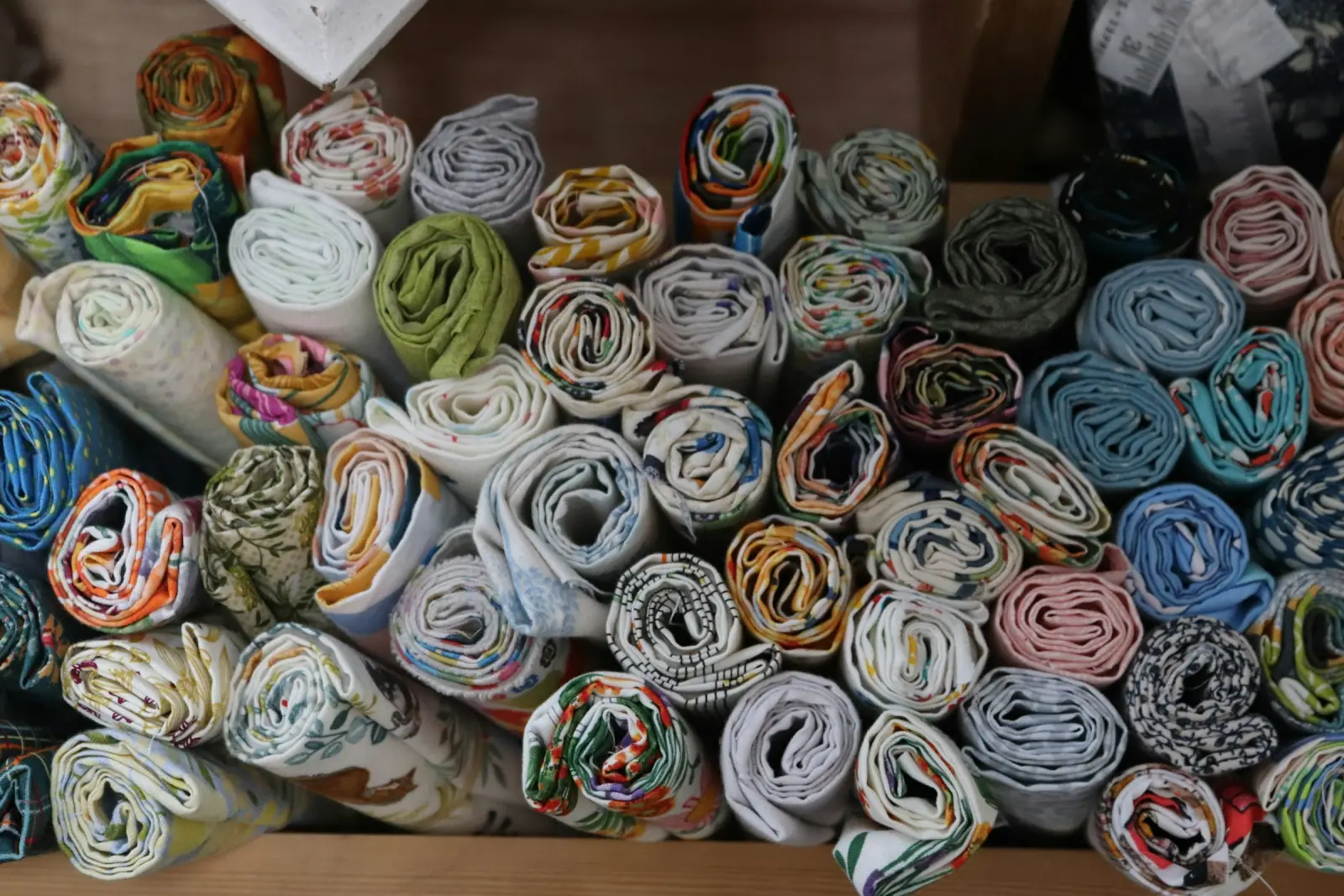
Step 1: measure every roll when it arrives
Roll tracking starts at the delivery, and the most common mistake is trusting the ticket. Supplier tickets are usually right, but not always, and a roll that is 2 metres short costs you those 2 metres at your full selling price. Many shops find the occasional short roll only when they reach its end months later, far too late to claim.
- Count the rolls against the bill before signing for the delivery.
- Spot-check lengths. Measure one or two rolls of every new supplier or new fabric fully. Folding the fabric in measured lengths is quicker than unrolling it along a tape.
- Weigh when in doubt. For fabric you buy often, the weight of a known length gives a quick cross-check on the rest of the delivery.
- Note the dye lot. Rolls of the same colour from different batches can differ in shade. Write the lot on the ticket and in your purchase note.
- Flag anything short or damaged to the supplier the same day, with the roll ticket photographed.
Step 2: register and number each roll
Once you know the real lengths, record them. In Kapda Stock, when you record a purchase of a fabric sold by the metre, yard or roll, you can enter the length of each roll separately — for example 25, 25, 20 for three rolls that make up a 70-metre purchase. The lengths must add up to the quantity bought. You can also register rolls later from the product’s 🧵 Fabric rolls & remnants panel.
Each roll gets its own number — ROLL-00001, ROLL-00002 and so on — running across your whole business. Write that number on the roll’s ticket or tube in marker, so the number in the system and the number on the shelf match. The panel then shows every roll’s original length and what is left.
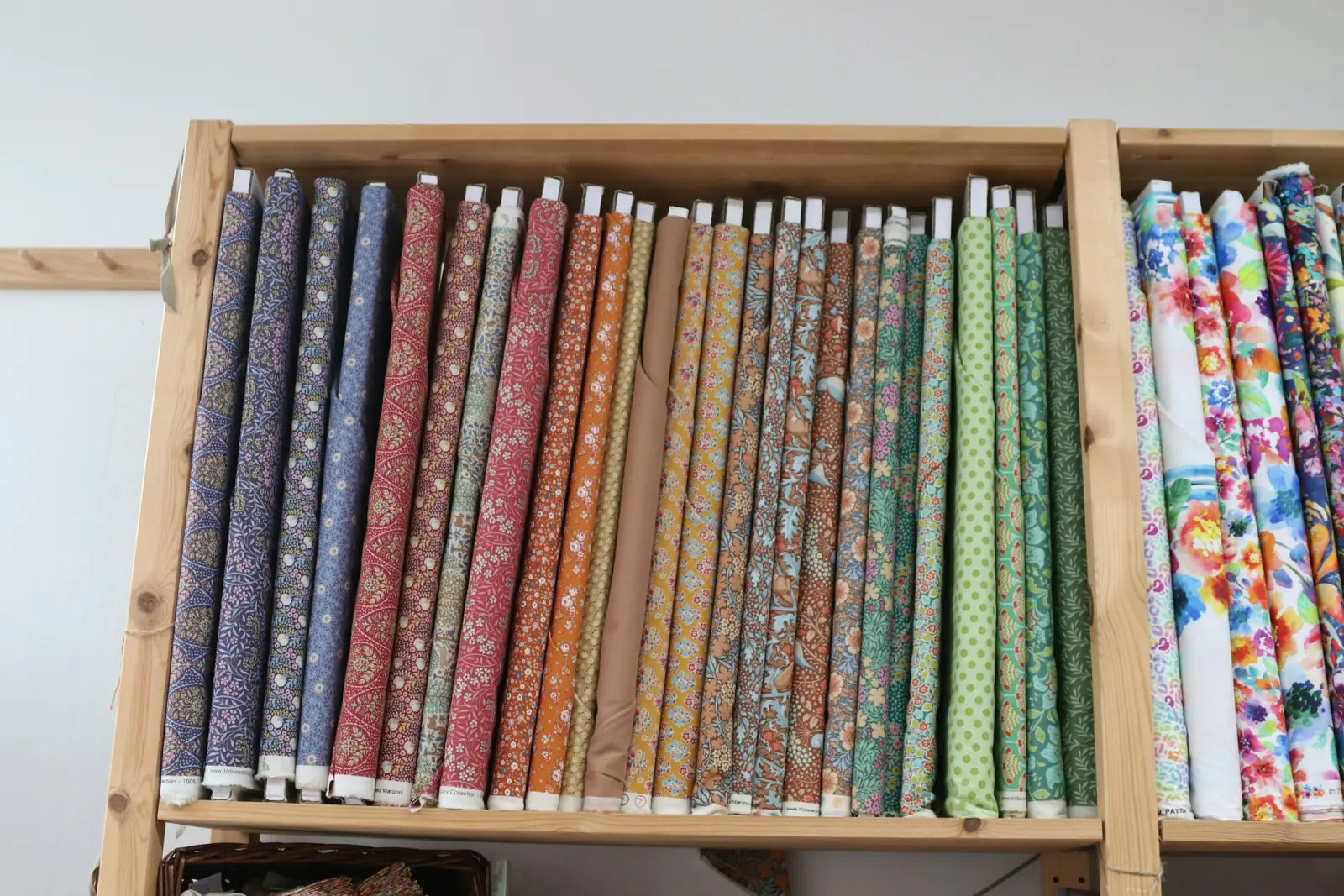
Step 3: store rolls so they can be found and counted
- Keep the numbered end facing out. A roll you can’t identify without pulling it out won’t be counted properly.
- Group rolls of the same product together, with started rolls in front of full ones.
- Oldest first. Cut from the roll that arrived first. Exposed outer layers fade and gather dust, and old stock only gets harder to sell.
- Store rolls off the floor and out of direct sunlight. A sun line across the outer layer ruins the first metre of every roll.
- Keep heavy rolls low. Suiting and upholstery rolls are heavy. Top shelves are for light fabrics.
- Label the shelf edge too. A barcode label with the product name, SKU and price per metre on the shelf edge, plus one on each roll, makes the right item easy to find and to bill.
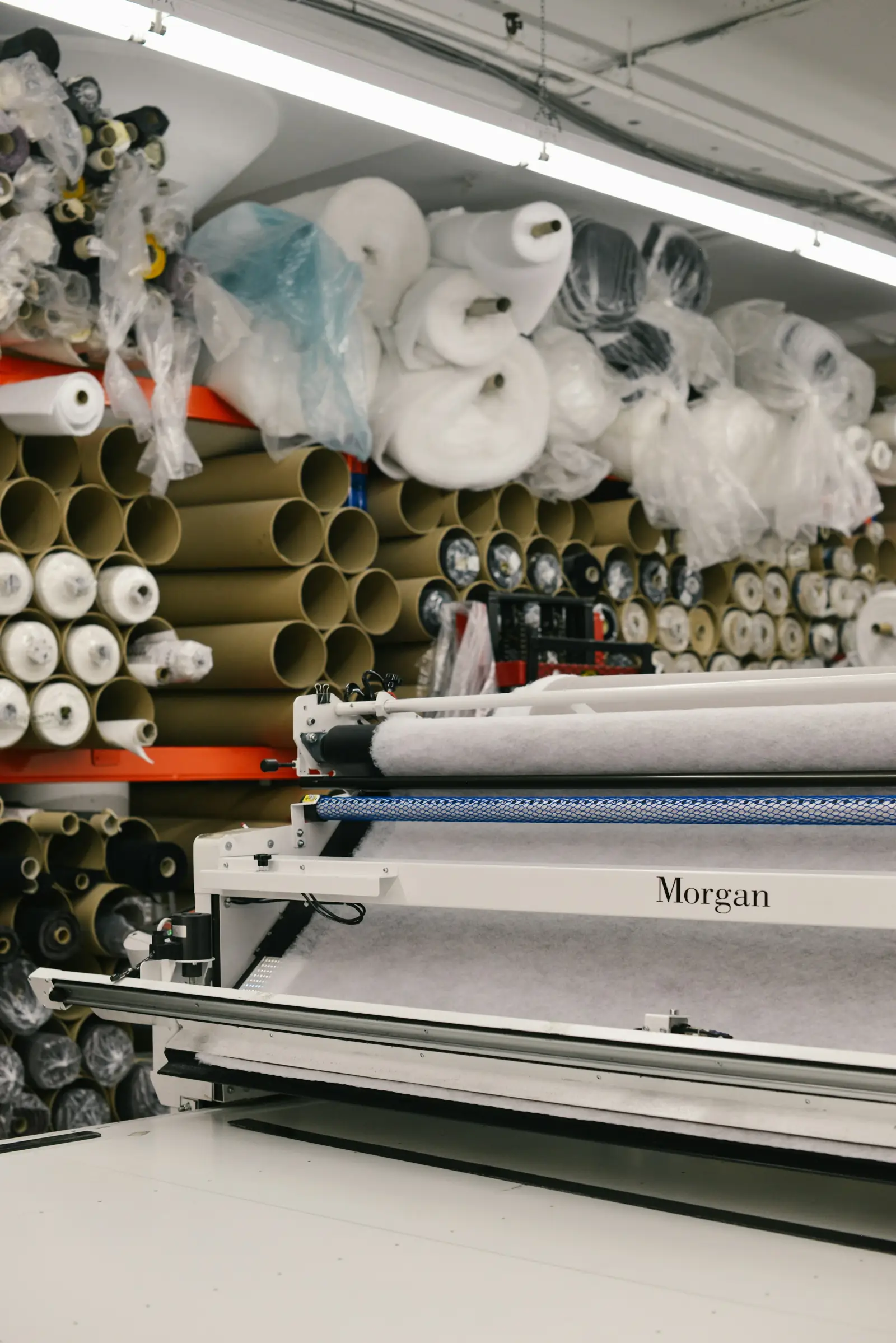
Step 4: decide which roll to cut from
Most shops leave this to whichever salesman is at the counter, and that is how Shop B ends up with seven short rolls. A few simple rules, taught to every salesman, keep rolls whole:
- Finish a started roll before opening a new one, as long as it has enough for the cut. One started roll is a tidy shelf; five is a problem.
- Cut large orders from a single roll. A customer buying 12 metres for school uniforms or curtains wants one shade. Cutting across two rolls from different dye lots risks a visible difference.
- Check the roll before promising a length. A salesman who says “yes, we have 3 metres” without checking the roll is setting up a disappointed customer.
- Offer the remnant first when it fits. If a customer needs 1.5 metres and a started roll has 1.8 left, sell her that roll’s end and keep the full roll whole.
Step 5: record every cut
This is where most roll systems fail, because the counter is busy and recording a cut feels like extra work. It takes seconds, and it is what keeps the roll lengths true.
In Kapda Stock, click ✂ Cut on the roll, enter the length and confirm. Lengths go in steps of 0.1, up to what is left on the roll. The important detail is the also remove from stock tick box:
| The cut was… | Tick the box? | Why |
|---|---|---|
| Billed at the counter or on an invoice | No | The sale already reduced stock; ticking would count it twice |
| A sample given to a tailor or customer | Yes | No sale reduced stock, so the cut must |
| Damaged, soiled or faded fabric cut off | Yes | The fabric has left saleable stock without a bill |
| Fabric sent for dyeing or stitching | Usually no | Use Job work instead, which moves stock out and back |
A cut with the box ticked is recorded as a stock movement with the reason CUT, so it shows up separately from sales in the Stock movement report. A shop that sees a lot of CUT movements is giving away more samples, or losing more to damage, than it probably realises. For fabric that goes out to a karigar and comes back finished, Job work tracks the round trip and the wages.
The hidden loss: generous measuring
Every salesman adds a little when cutting. A few centimetres “to be safe” feels like good service, and it is — until you add it up. Work it through for a single roll:
| Allowance per cut | Cuts per roll | Fabric given away | Value lost per roll |
|---|---|---|---|
| 2 cm | 30 | 0.6 m | ₹90 |
| 3 cm | 30 | 0.9 m | ₹135 |
| 5 cm | 30 | 1.5 m | ₹225 |
On a shop cutting a few hundred rolls a year, that is real money. It also explains why a roll often runs out slightly before the system expects. Decide on an allowance as a shop, teach it, and let the roll records show you whether it is being followed.
Step 6: handle remnants deliberately
Every roll ends as a remnant. The question is whether it becomes money or dust. Kapda Stock tags a started roll as a remnant once it is down to 2 units or 10% of its original length, whichever is larger — 4 metres on a 40 m roll, 2 metres on a 15 m roll — and as finished when nothing is left.
- Keep a remnant bin near the counter, with each piece labelled with its length and price. Customers love a bargain bin, and tailors check it every visit.
- Sell matched remnants as sets. A floral remnant and a plain remnant that go together make a child’s outfit.
- Bundle small pieces for quilters, crafters and doll-clothes makers.
- Offer remnants first at the counter when the customer’s length fits, as described above.
- Clear remnants on a schedule. Anything still in the bin after a month gets a lower price.
The roll panel is per product, so there is no single screen listing every remnant in the shop. That is one more reason for the weekly check below: walking the shelves with the roll panel open is how remnants get spotted and moved to the bin.
Step 7: check the rolls every week
A roll system drifts if nobody checks it. Fifteen minutes on a quiet morning keeps it honest. Sales by time will tell you which weekday is quietest.
- Pick one category — say plain cottons this week, suiting next week.
- For each product, compare the roll lengths with the stock figure. If the rolls add up to less than stock, a cut was probably recorded on a roll but not billed. If they add up to more, a billed cut probably wasn’t recorded on a roll.
- Measure any roll that looks wrong and correct it.
- Move remnants to the bin.
- Note anything short, faded or damaged, and record it as a cut with “also remove from stock” ticked.
Across a month, every category gets checked once and the annual stock-take becomes far less painful. Once the rolls are reliable, Inventory valuation gives you a stock value you can actually trust, and the purchase and stock history on each product explains any change.
When a cut piece comes back
Returns are where roll records quietly go wrong. A customer brings back 2 metres she didn’t use, and the salesman puts it on top of the nearest roll. Stock goes up, but no roll shows those 2 metres, and next week’s check finds a mystery difference.
Handle it in two steps. First, record the return properly against the original bill: in Kapda Stock, a sales return puts the stock back, issues a credit note and adjusts the customer’s balance if the bill had one. Then register the returned piece as its own short roll from the product’s roll panel, for example a single length of 2. Registering it doesn’t change stock again — it simply records where that stock physically is. The returned piece usually goes straight into the remnant bin.
Stock-taking day, the roll way
The annual stock-take is dreaded in most textile shops because it means unrolling and measuring everything. With rolls tracked through the year, most of that work disappears.
- Work in pairs. One person reads roll numbers and lengths from the shelf; the other checks them against the product’s roll panel.
- Count full rolls, don’t measure them. A roll that has never been cut is the length you recorded when it arrived. Check the number and move on.
- Measure only started rolls. These are the ones that drift, and there are far fewer of them than full rolls.
- Weigh the remnant bin or count its pieces, rather than measuring every scrap.
- Look into every difference before correcting it. A roll that is short usually means an unrecorded sample or a cut billed to the wrong item; a roll that is long usually means a return put back without being recorded. The product’s purchase and stock history shows every movement, which is usually enough to find the cause.
Shops that do the weekly check find that stock-taking day confirms what they already know, rather than revealing a year of surprises.
Teaching roll discipline to new staff
Roll tracking only works if everyone at the counter does it, including the helper who joined last week. Keep the rules short enough to fit on a card by the cutting table:
- Check the roll before you promise a length.
- Cut from the started roll first; big orders from one roll.
- Record every cut on the roll it came from.
- Samples and damage: tick “also remove from stock.” Billed cuts: don’t.
- Short ends go to the remnant bin, with a label.
What good roll tracking gives you
- Honest answers at the counter. “Yes, 3 metres in one piece” or “we have 2.4 — shall I order more?” instead of a trip to the stockroom.
- Better reordering. Reorder suggestions use the last 30 days of sales to suggest how much to buy. When you know how much of the remaining stock is in usable rolls, you can reorder before the last full roll goes.
- Fewer short rolls. Claims made the day a delivery arrives, with the ticket in hand.
- Less waste. Remnants sold instead of forgotten, and the measuring allowance kept honest.
- Faster stock-taking. Full rolls counted by number, started rolls measured, with a record to check against.
Rolls are where fabric margin is kept or lost
Most fabric shops lose money not in one big mistake but in hundreds of small ones: a short roll accepted without a check, a sample never recorded, a few centimetres over on every cut, a remnant forgotten behind the shelf. Tracking rolls is how those small losses become visible, and what you can see, you can fix.
Kapda Stock was built for this kind of shop, with roll registration on every purchase, numbered thaans, cut recording, remnant flags, stock movement reports and barcode labels for every bolt. If you’re setting up from scratch, start with how local fabric stores can manage inventory and billing, then come back to rolls once the basics are running. See the full feature list, compare plans, or set up your shop and register your first roll today.
Frequently asked questions
How do fabric shops keep track of rolls of fabric?
The reliable method is to measure each roll when it arrives, give it a number written on its ticket, record its length, record every cut against the roll it came from, and move short ends to a remnant bin. In Kapda Stock you enter roll lengths when recording a purchase, and each roll gets its own number and a running record of what is left.
What is a remnant in a fabric shop?
A remnant is the short end of a roll that is too small for most customers’ needs. Kapda Stock treats a started roll as a remnant once it is down to 2 units or 10% of its original length, whichever is larger, so a 40-metre roll becomes a remnant at 4 metres.
Should I cut a large order from one roll or several?
From one roll whenever possible. Rolls of the same colour from different dye lots can differ slightly in shade, and a customer buying curtains or uniforms will notice. Cutting from a single roll also avoids leaving several rolls with awkward short ends.
How often should a textile shop check its fabric rolls?
A short weekly check works well: pick one category, compare the roll lengths with the stock figure for each product, measure anything that looks wrong and move remnants to the bin. Rotating through the categories means the whole shop is checked about once a month.
Does registering rolls in Kapda Stock change my stock?
No. Registering rolls maps stock you already have onto the physical rolls on your shelf; the product’s stock figure stays the source of truth. Only a cut with “also remove from stock” ticked reduces stock, and that should be used for cuts that were not billed, such as samples or damaged fabric.
See it working in your own shop
Set up a workspace in under a minute, or read the step-by-step guides in the docs.