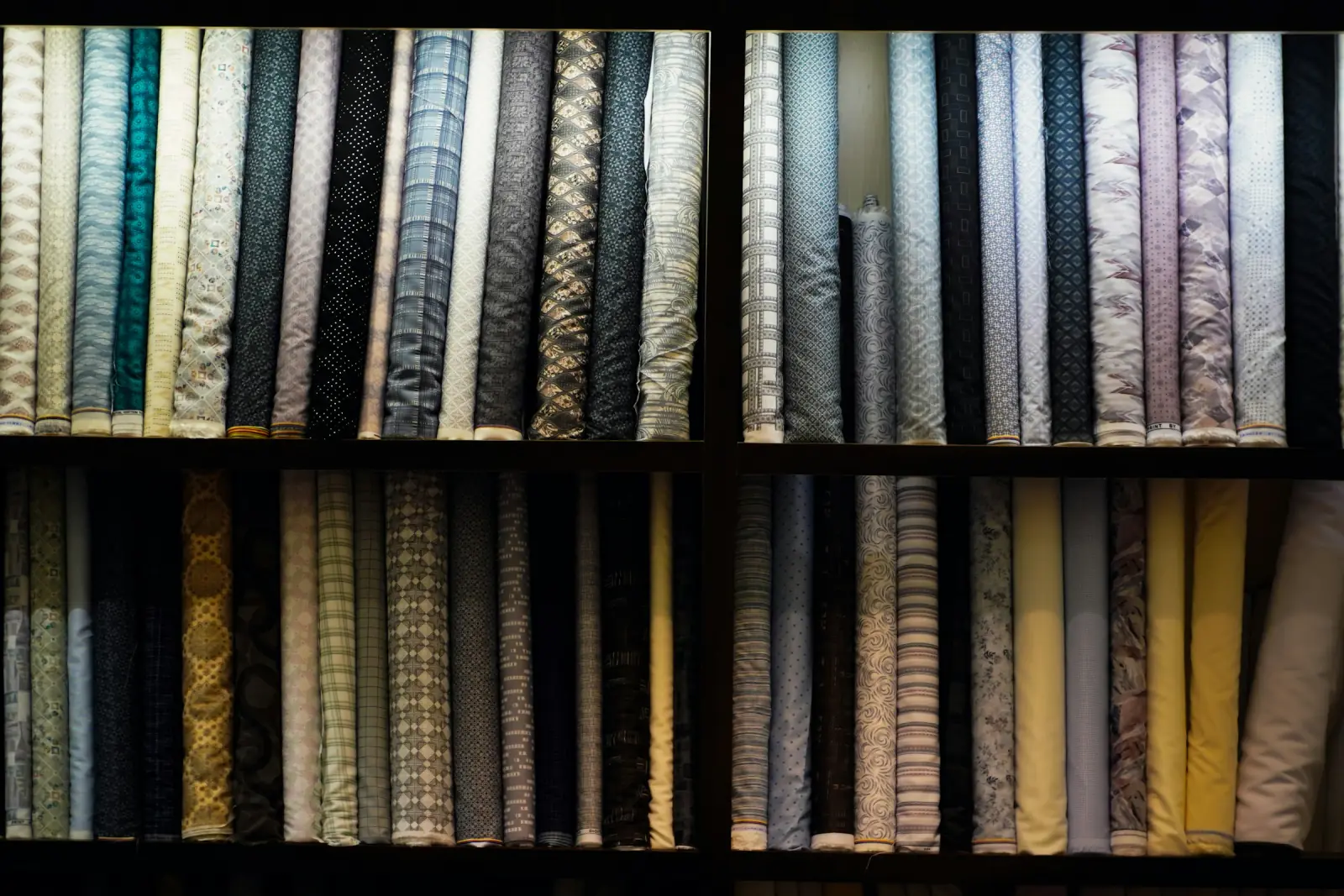
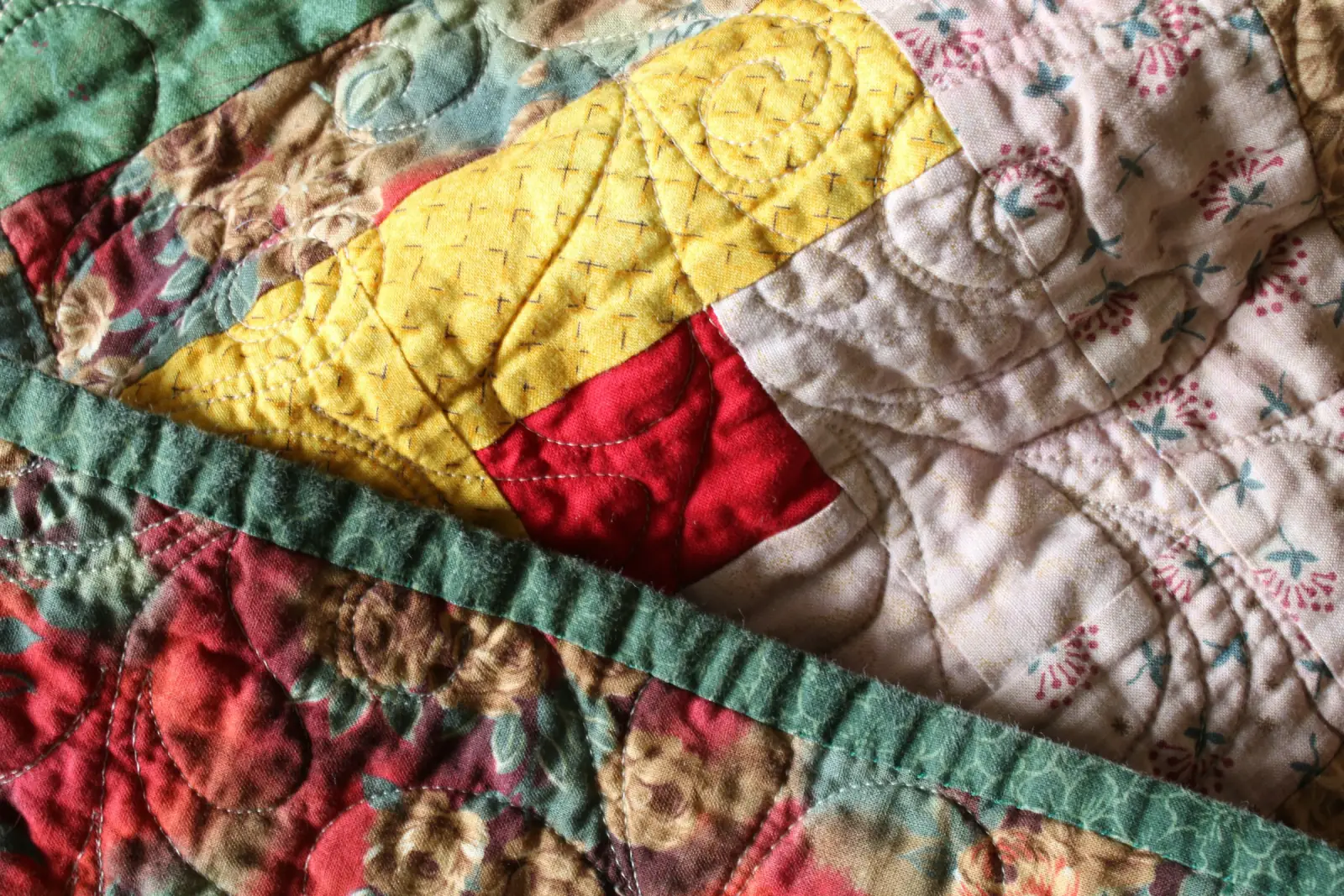
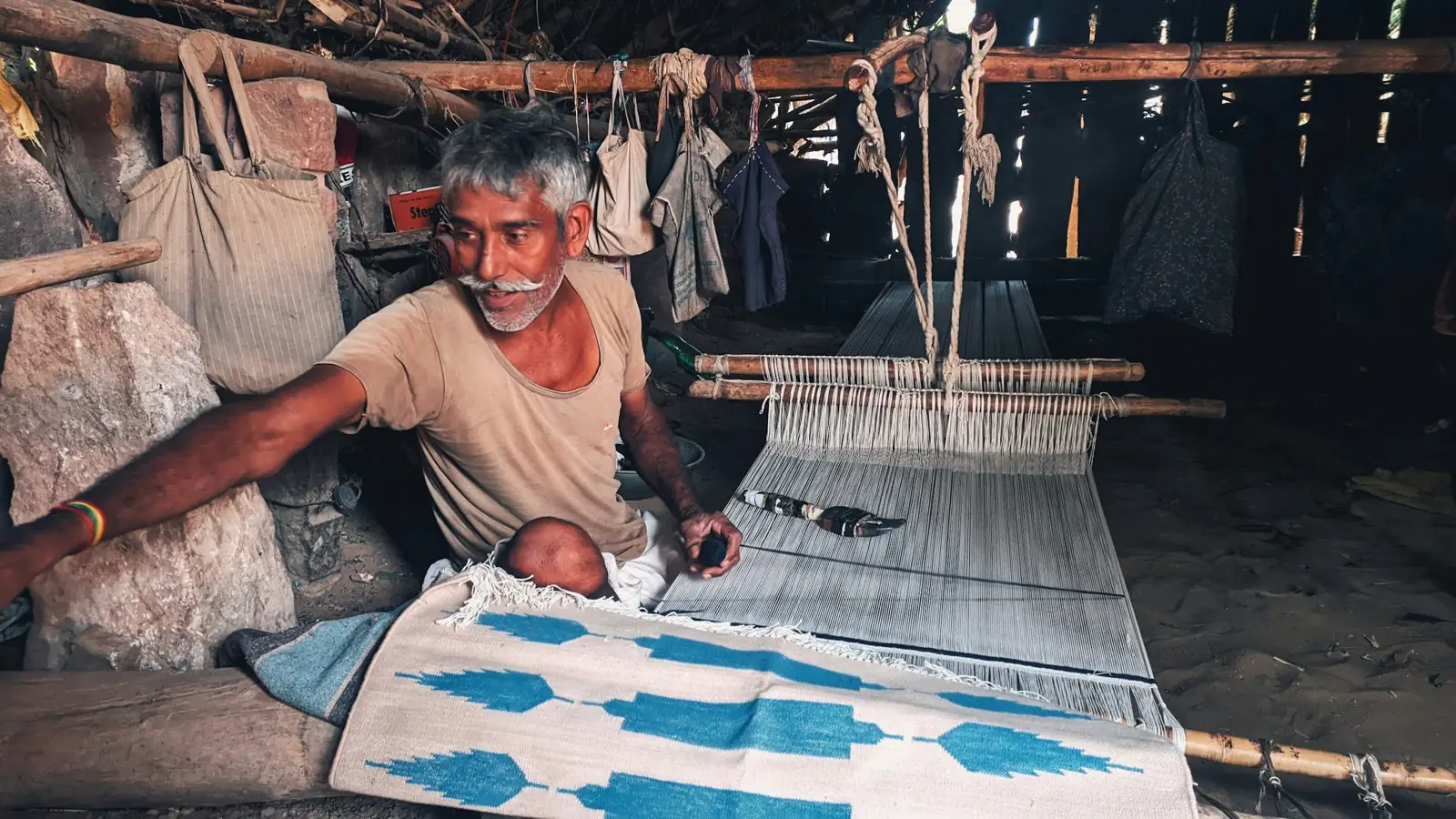
Muslin fabric by the yard: a practical guide for fabric store owners
Muslin looks like the plainest cloth in the shop, yet it sells to more kinds of customer than almost anything else on your shelves. Here is what to stock, how to price it by the yard or the metre, and how to stop it disappearing in small cuts.
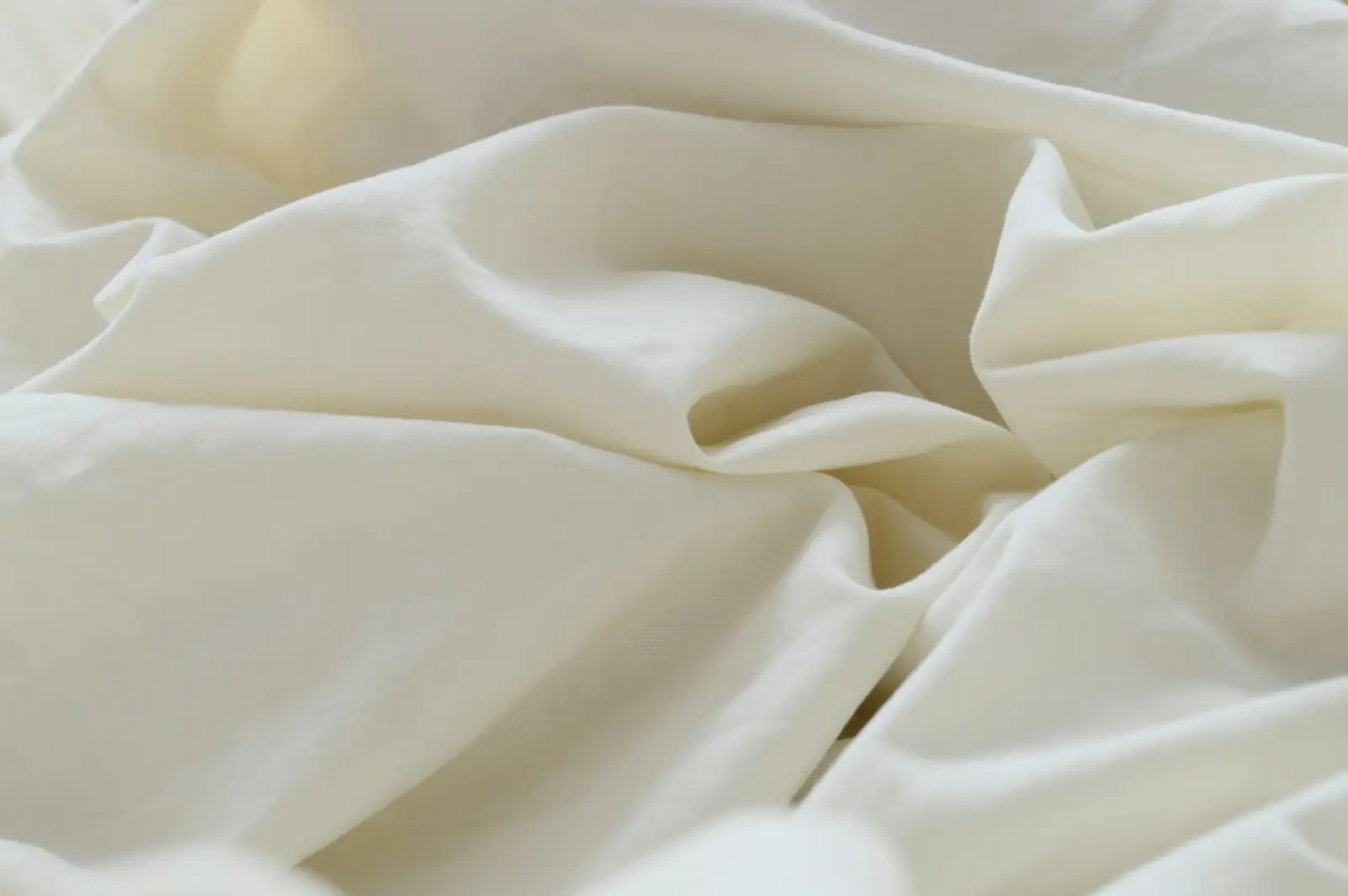
Photo: Julissa Santana on Unsplash
Ask a fabric shop owner which cloth brings in the most unusual customers and many will name the one on the bottom shelf: plain, off-white muslin. In a single afternoon, the same bolt might go to a boutique tailor making a trial fit, a new mother looking for something soft enough for a newborn, a photographer building a backdrop, and a woman from down the lane who needs a square to strain paneer.
That range is what makes muslin worth taking seriously. It’s cheap per metre, but it moves steadily all year, it brings in people who later buy something more expensive, and it punishes sloppy stock-keeping more than most fabrics, because nearly every sale is a small cut off a big bolt.
This guide is for shop owners who sell, or want to sell, muslin fabric by the yard or by the metre. It covers what muslin actually is, the grades and widths worth stocking, who buys it and why, how to handle the yard-versus-metre question at the counter, and how to keep track of a fabric that leaves the shop half a bolt at a time.
What muslin is, and why the name confuses people
Muslin is a plain-weave cotton cloth: one thread over, one thread under, loosely woven and usually lightweight. In Indian shops it goes by malmal or mulmul, and the finest versions are prized for kurtas, dupattas and summer sarees. Europe’s name for it is usually traced to Mosul, the trading city where merchants first met the cloth, but the legendary muslin came from Bengal. Dhaka muslin was once woven so fine that stories describe whole lengths passing through a finger ring.
Here is where it gets muddled. In Indian retail, “mulmul” usually means a soft, fine cotton, often dyed or printed, sold for clothing. In Western sewing, “muslin” mostly means cheap unbleached cotton used for trial garments, and dressmakers even call the trial garment itself “a muslin.” Customers who learned to sew from online tutorials will walk in asking for muslin and mean the second kind. It saves time at the counter if your staff know both meanings.
The grades of muslin worth stocking
You don’t need every variety. Most shops do well with four or five, chosen for who actually comes through the door.
| Type | What it is | Who buys it |
|---|---|---|
| Unbleached (natural) | Cream or ecru, often with small brown flecks of cotton seed, stiff until washed | Tailors and students for trial garments, block printers, crafters |
| Bleached white | Cleaned and whitened, softer hand | Linings, baby wear, kitchen use, photography |
| Fine mulmul, dyed or printed | Soft, lightweight dress cotton, often from printing clusters | Kurtas, dupattas, summer clothing |
| Double gauze | Two light layers woven together with tiny tacking threads | Swaddles, baby blankets, soft shirts |
| Extra-wide muslin | The same cloth on a much wider loom | Photo backdrops, quilt backing, curtains, theatre |
The first two are the workhorses. Fine printed mulmul overlaps with your dress-material range, and many shops source it from the same printing clusters as their other cottons; our guide to India’s textile hubs covers where those are. Double gauze and extra-wide muslin are specialist lines. Stock them once you know you have the buyers.
Widths, and why they change your price per metre
Muslin commonly comes around 44–45 inches (about 112–114 cm) wide, with 60-inch (about 150 cm) bolts also common and extra-wide cloth running to 90 inches or more. Two muslins at the same price per metre are not the same value if one is a third wider. Label width on every bolt and every price tag, because the customer cutting pattern pieces will ask, and the photographer will care about nothing else.
Who buys muslin, and what each of them needs from you
Knowing your buyers is the whole trick with muslin. Each group buys a different grade, in a different quantity, for a different reason, and each one responds to a slightly different kind of service.
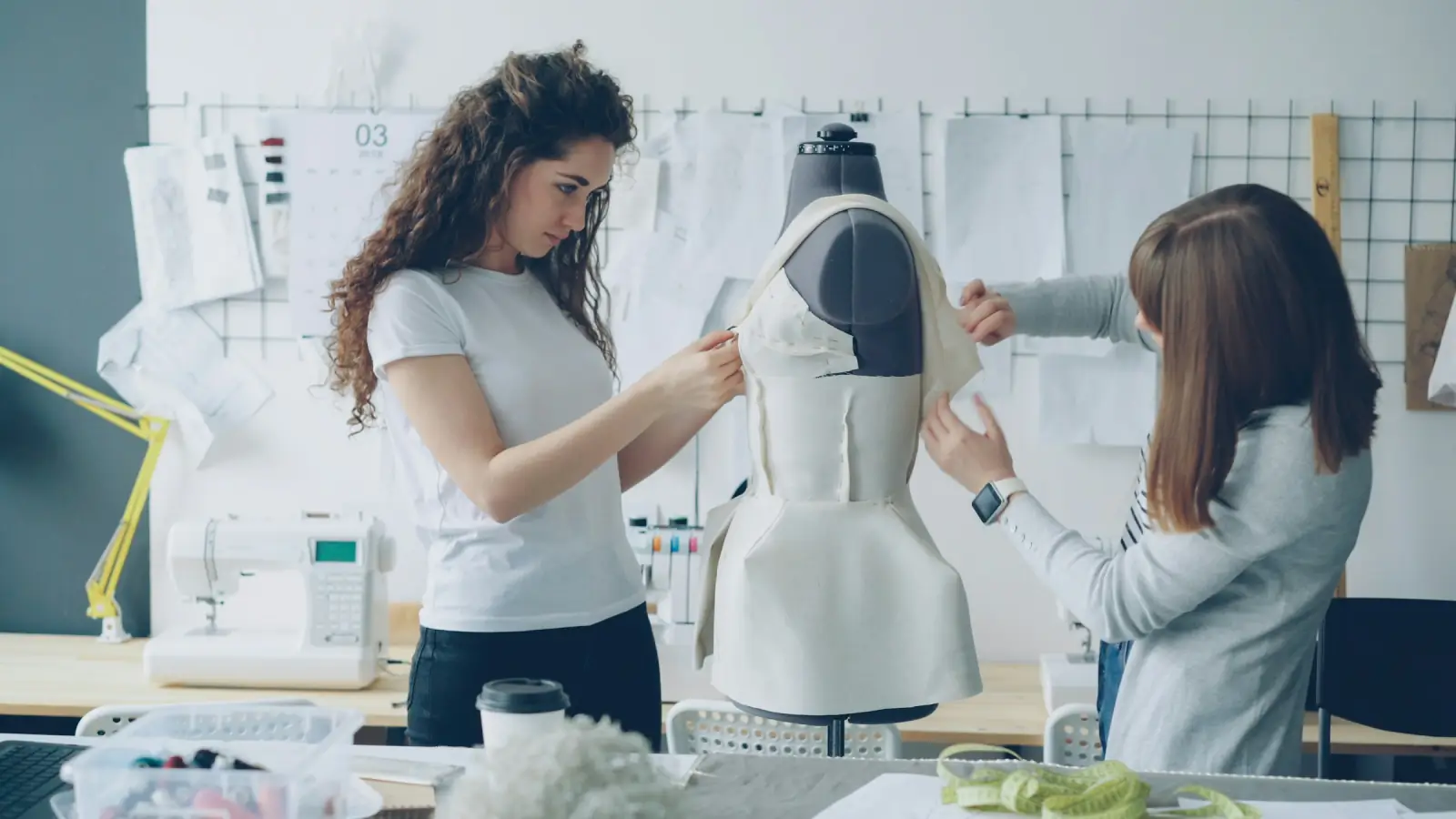
Tailors, boutiques and design students
Boutiques making bridal or made-to-measure pieces often cut a trial in cheap unbleached muslin before touching the expensive fabric. That’s cheaper than a ruined lehenga panel. These buyers come back often, buy in 5–20 metre lots, and care about consistency: the same weight and width every time, so their patterns behave the same way. Treat them as regulars. Save them as customers, and if they buy on account, keep their khata straight. How local fabric stores can manage inventory and billing covers the everyday side of that.
Printers, dyers and hand-painters
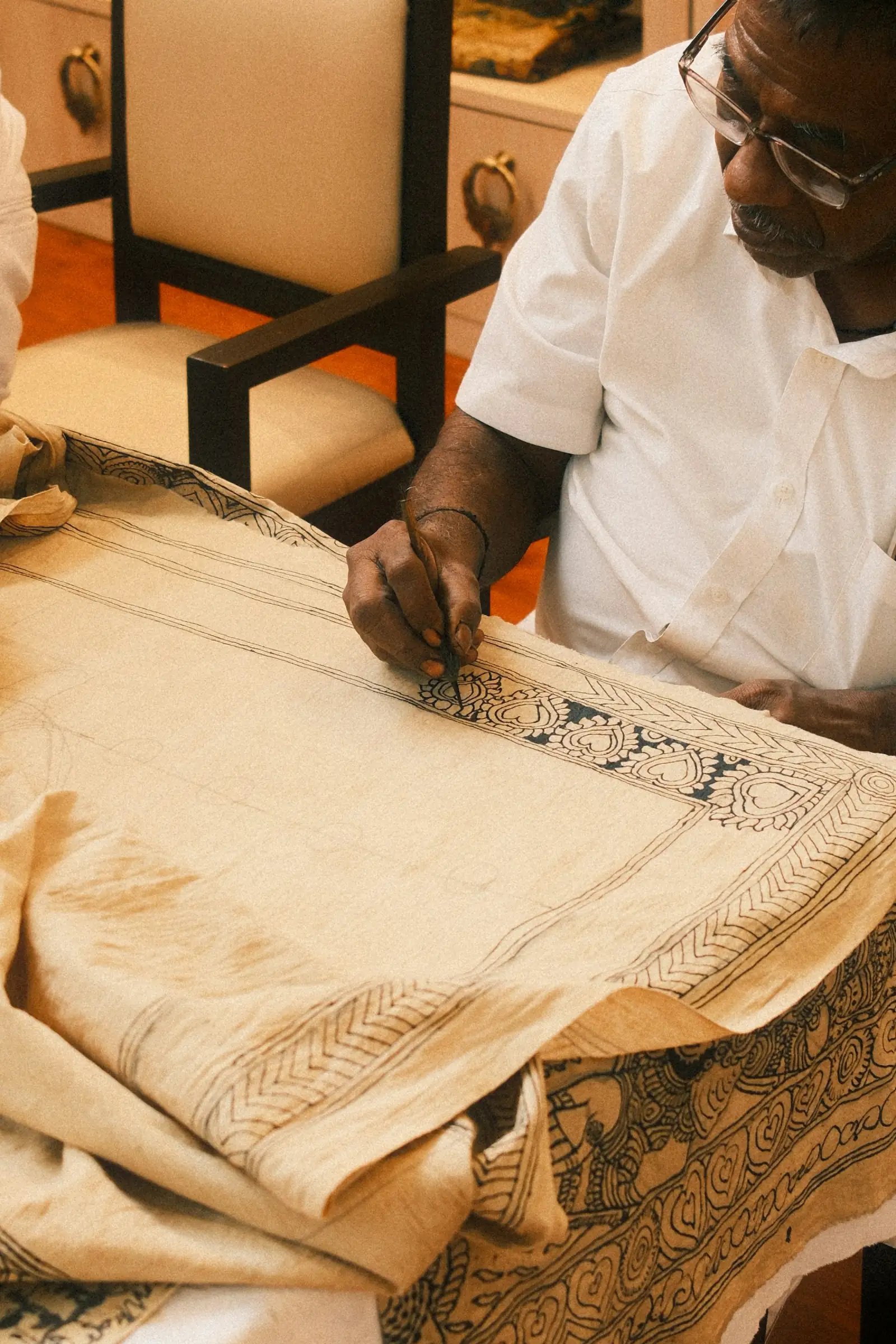
Unbleached and bleached muslin is a favourite base cloth for block printing, tie-dye and hand-painting, because it takes colour well and doesn’t cost much to experiment on. Small studios buy by the bolt and ask about shrinkage and finish, since sizing left in the cloth can stop dye taking evenly. If you can say “this one has been washed once” or “this one is straight off the loom,” you will keep them.
Parents and baby-goods makers
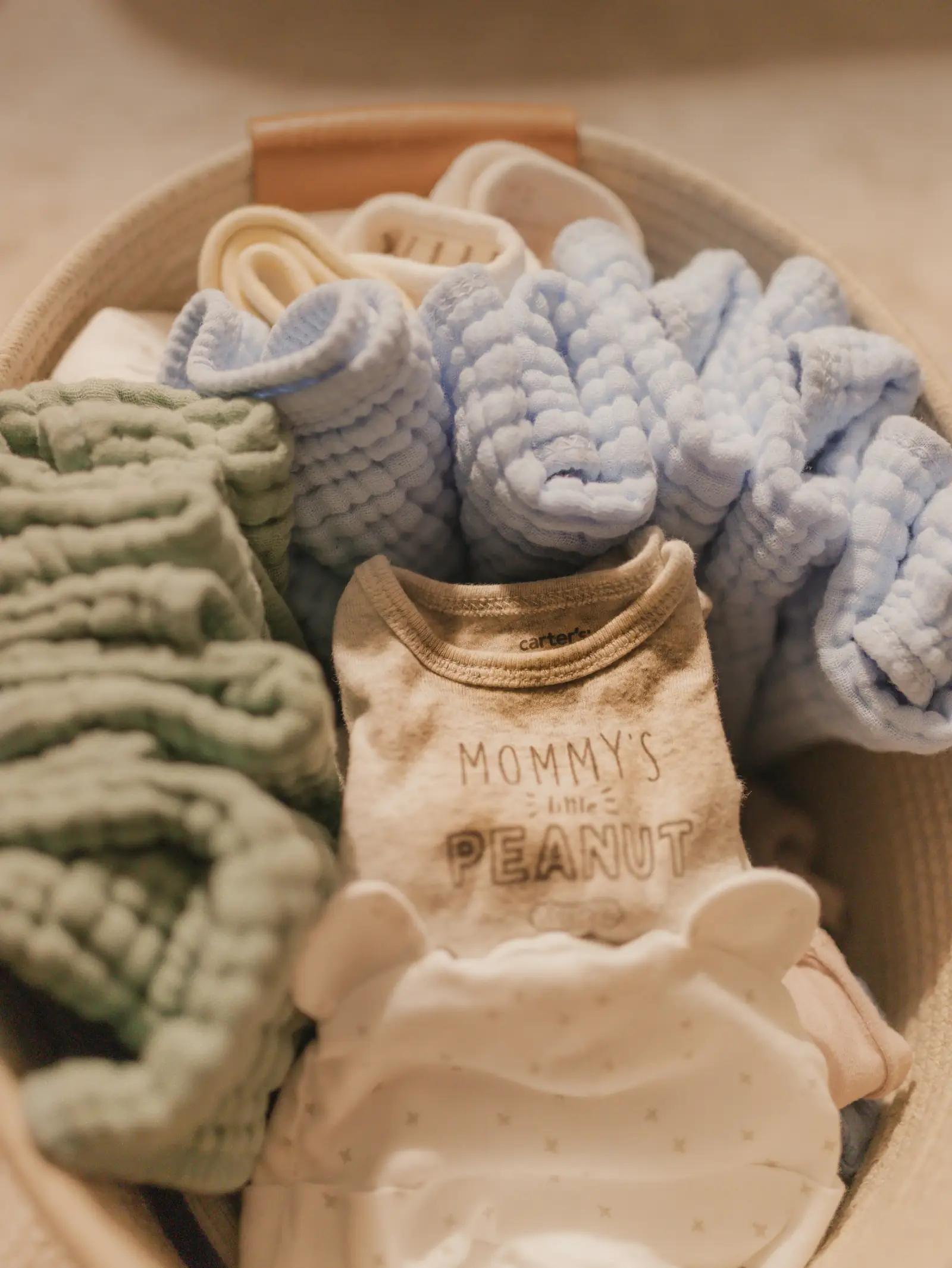
Soft malmal has been used for babies in Indian homes for generations, and muslin swaddles are now sold everywhere from pharmacies to online boutiques. Home sewers and small brands making swaddles, nappies and burp cloths want bleached muslin or double gauze, pre-washed if possible, and in widths that cut neatly into squares with little waste. A common swaddle is around 110–120 cm square, so a wide bolt can mean fewer seams and less waste.
Photographers, decorators and theatre groups
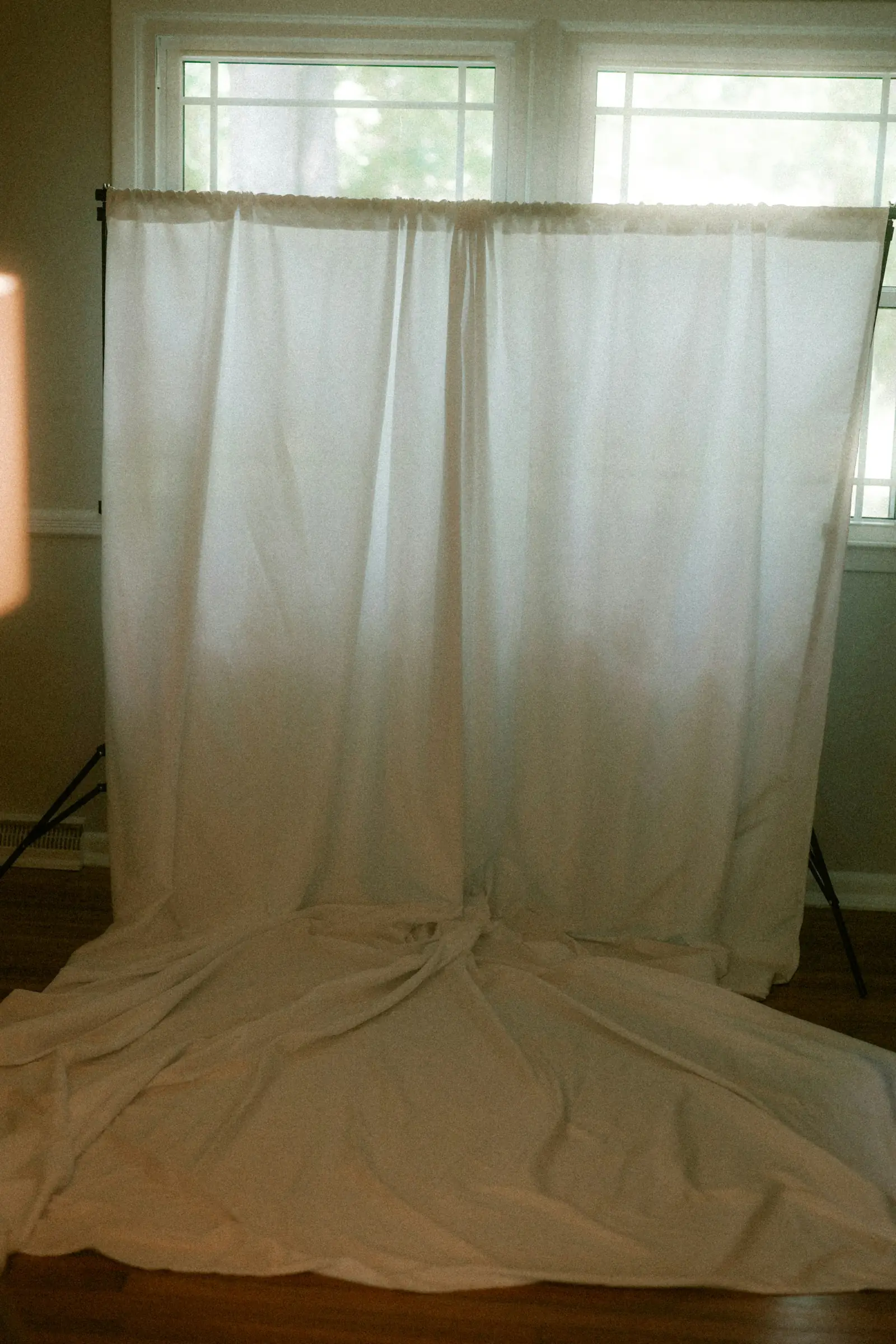
Wide muslin, dyed or left plain, makes an inexpensive backdrop and diffuses light well. These customers buy long single lengths, sometimes six or eight metres, and ask for the widest cloth you have. They are also the ones most likely to ask for a GST invoice, since many buy for a business.
Kitchens and households
Hung curd, paneer, chhena for rasgullas, and tea strained for a crowd — a surprising amount of muslin in Indian shops leaves in half-metre cuts for the kitchen. These sales are tiny, but they bring in walk-in customers who otherwise wouldn’t visit a fabric shop, and some of them come back before the next wedding.
Selling muslin by the yard or by the metre
Customers ask for muslin in yards more often than you might expect. Older customers still think in gaz, patterns and online tutorials written abroad list fabric in yards, and export or overseas customers order that way. Your shop needs a clear answer to “how much is it by the yard?” without the salesman reaching for a calculator every time.
The conversions your counter should know by heart
One yard is exactly 0.9144 metres, or 91.44 cm, and one metre is about 1.094 yards. Print this small table and tape it next to the cutting table.
| Yards asked for | Metres to cut | Rounded for the counter |
|---|---|---|
| 1 yard | 0.91 m | Just over 90 cm |
| 2 yards | 1.83 m | About 1.85 m |
| 3 yards | 2.74 m | About 2.75 m |
| 5 yards | 4.57 m | About 4.6 m |
| 10 yards | 9.14 m | About 9.15 m |
Prices convert the same way. A muslin priced at ₹100 a metre works out to about ₹91.44 a yard. If your supplier quotes per yard and you sell per metre, multiply their yard price by 1.094 to get the metre cost before adding your margin. Mixing the two up on a single bolt is one of the easiest ways to lose 9% without noticing.
How Kapda Stock handles the unit
Every product in Kapda Stock carries a unit, and both MTR and YARD are available alongside PCS, ROLL, KG and others. Choose when you add the product, because the unit can’t be changed afterwards. That’s deliberate: a bolt counted in metres one week and yards the next can never be reconciled. Stock and bill quantities are whole units, so decide your smallest cut up front, or sell standard pre-cut lengths, such as a 1-metre kitchen piece, as their own items priced per piece. Products explains every field on the form.
Shrinkage: the question every muslin buyer eventually asks
Loosely woven cotton shrinks, and unwashed muslin shrinks more than most. Depending on the grade and finish, the loss can be anywhere from a few percent to around ten, mostly in length. For a kitchen cloth that doesn’t matter. For a tailor’s trial garment, a baby swaddle cut to size or a backdrop measured to the centimetre, it matters a lot.
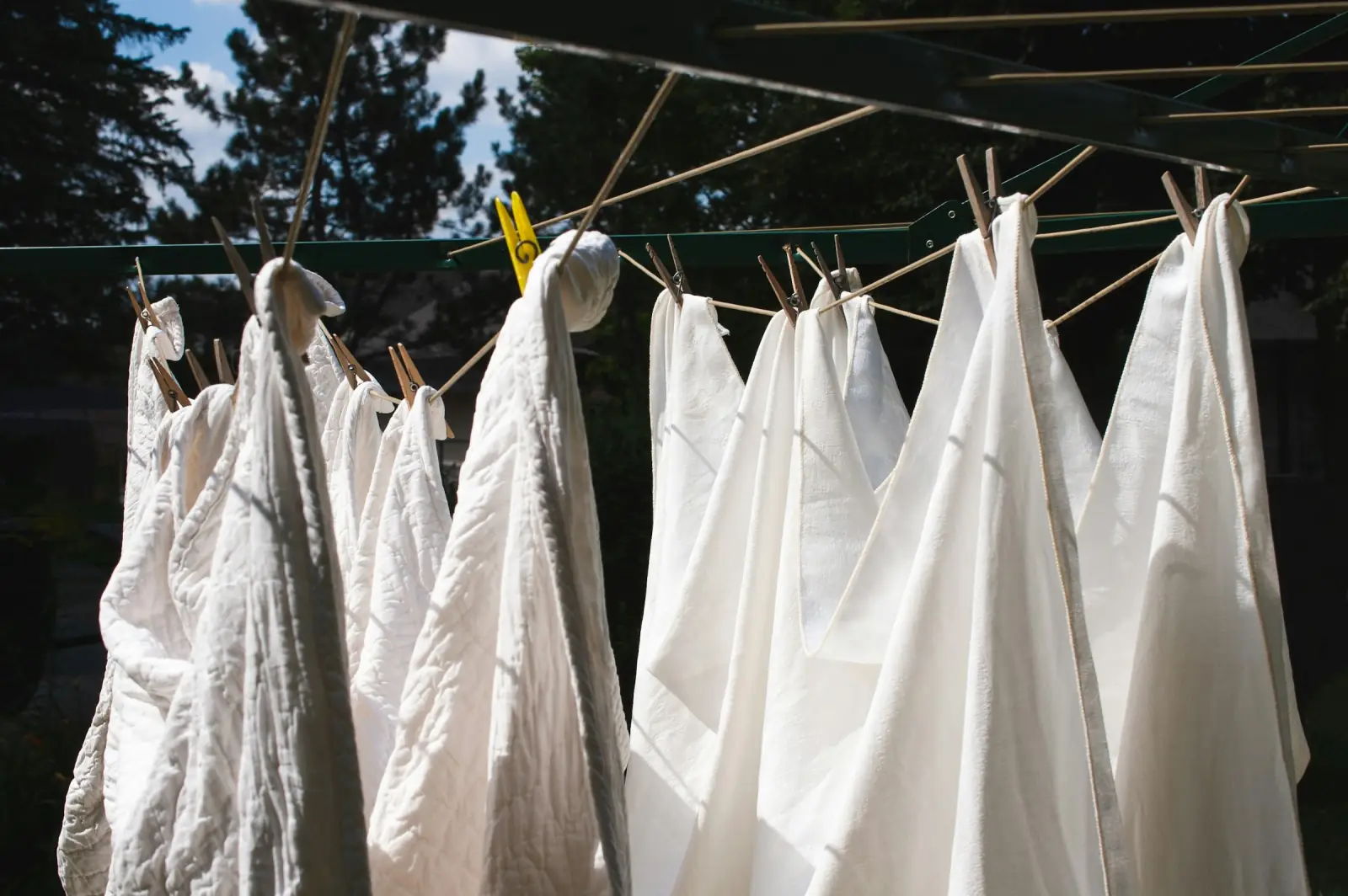
The fix is cheap. When a new lot arrives, cut a 30 × 30 cm square, wash and dry it the way a customer would, and measure it again. Write the result on the bolt tag. Now your salesman can say “buy an extra 10 cm per metre” with confidence instead of guessing, and the customer who comes back with a shrunken swaddle was warned. That honesty is the difference between a one-time buyer and a tailor who sends you every student she teaches.
The questions customers ask at the cutting table
Muslin buyers ask the same handful of questions, and a salesman who answers them quickly sells more than one who shrugs. Put these in front of new staff in their first week.
“Which side is the right side?”
On plain muslin, neither. A plain weave looks the same on both faces, which is one reason tailors like it for trial garments. Printed mulmul is different: the print is sharper on the face, so point that out before the customer cuts.
“Will it tear straight?”
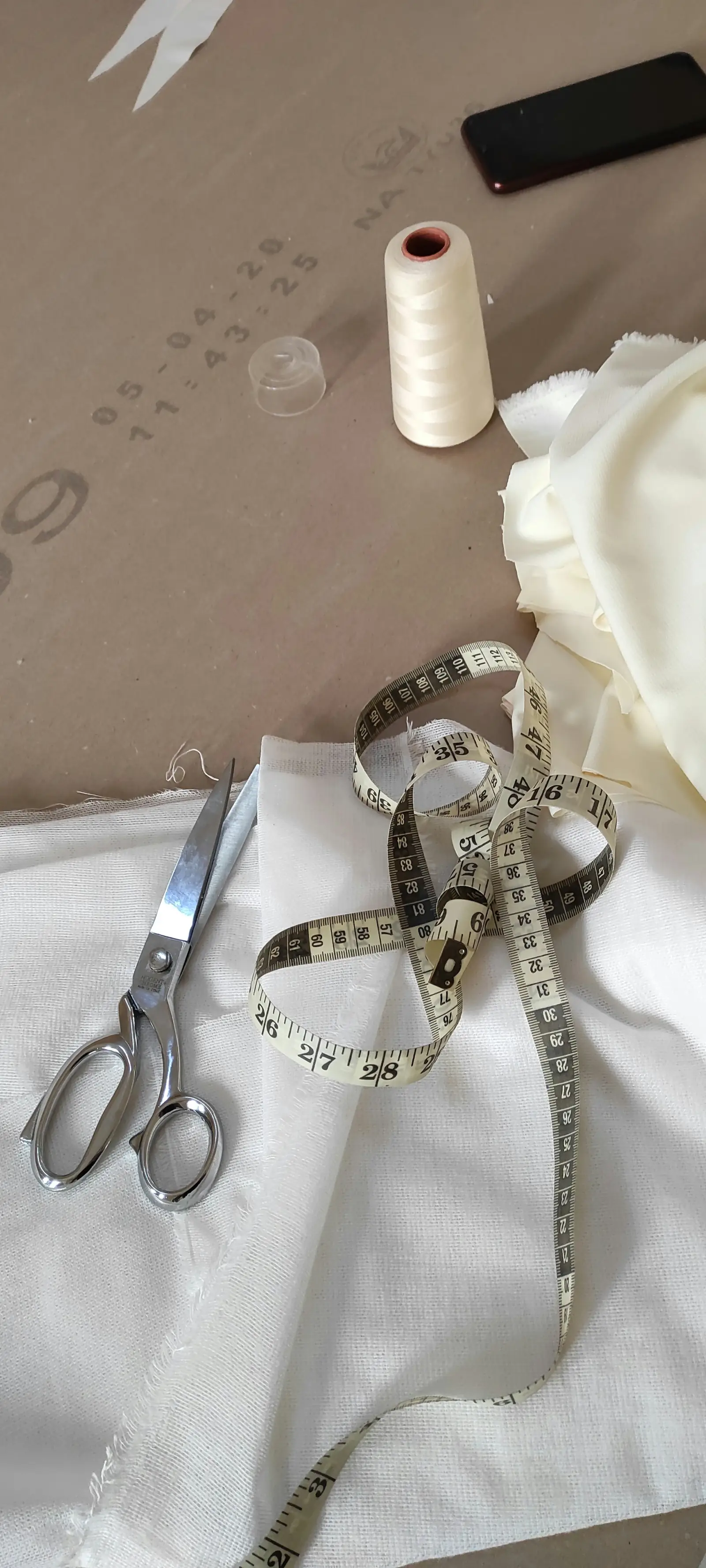
Usually, yes, and that’s a trick worth knowing. Snip the selvedge and tear across, and loosely woven muslin tends to split along a single thread, giving a perfectly straight grain line. Many tailors prefer a torn edge to a cut one for trial garments. Ask before you tear, though; some customers expect a scissor cut.
“Is it see-through?”
Fine mulmul can be, especially in white and pale colours, which is why it is often lined or layered for kurtas. Hold a fold against the light at the counter and let the customer judge. Heavier unbleached muslin is far more opaque.
“How much do I need?”
For a trial garment, roughly the same length as the final garment needs, plus a little for mistakes. For swaddles, count squares across the width: a 60-inch bolt gives one generous swaddle per width, and narrower cloth may need a seam. For backdrops, the photographer should already have a height and width in mind; your job is to know the exact width of every bolt so nobody is surprised at home.
“Can I dye it at home?”
Yes. Cotton muslin takes most household and fibre-reactive dyes well, which is why printers and crafters love it. Advise a wash first to remove any sizing, and warn that the unbleached kind will give a warmer, slightly muddier result than bleached white.
Counting a fabric that leaves in small pieces
Muslin’s strength is also its trap. A 50-metre bolt might go out as thirty separate cuts over a month: 1 m for the kitchen, 3 m for a trial gown, 50 cm as a sample. Miss a few of those on the bill and the stock you think you have drifts away from what’s on the shelf.
Register the bolt, then record the cuts
When you receive muslin in Kapda Stock, you can enter each bolt’s length separately, for example 50, 50, 40. Each one gets its own roll number, and every cut is recorded against a specific roll. Once a started roll is down to 2 units or 10% of its original length, whichever is larger, it’s flagged as a remnant, so a 50 m bolt is flagged at 5 m. The steps are in Stock adjustments & movements.
Muslin remnants are unusually sellable. Crafters, quilters and parents making small items will happily buy a bag of offcuts. A “remnant pack” sold as its own item per piece turns leftover ends into cash instead of dusty corners.
Label the shelf, not just the bolt
Muslins look alike. Unbleached 44-inch and unbleached 60-inch sit side by side and a new salesman will grab the wrong one. Barcode labels from Kapda Stock carry the product name, SKU, HSN, GST rate and the price per unit, for example ₹95.00 / MTR, so stick one on the bolt end and another on the shelf edge. Scanning it at the counter adds the right item every time.
Give each muslin a code that says what it is
| Muslin | SKU | Unit |
|---|---|---|
| Unbleached, 44 inch | MUS-UNB-44 | MTR |
| Unbleached, 60 inch | MUS-UNB-60 | MTR |
| Bleached white, 44 inch | MUS-BLC-44 | MTR |
| Double gauze, white | MUS-DG-WHT | MTR |
| Kitchen straining piece, 1 m | MUS-KIT-1M | PCS |
Buying muslin without overstocking
Muslin is cheap, and cheap fabric tempts you into buying deep. Resist a little. Unbleached cotton yellows and collects dust on an open shelf, and bleached white shows every mark. Aim to turn over what you have rather than store a year’s supply.
- Set a minimum stock for each grade. When a muslin drops to it, Kapda Stock shows a red Low stock badge and includes it in the 9:00 AM alert the owner receives.
- Let sales speed set the order. Reorder suggestions use the last 30 days of sales: if unbleached muslin sold 90 m in 30 days, that’s 3 a day, and with a 7-day lead time and 12 m on hand the suggestion is 7 × 3 − 12 = 9 m. See Low stock & reorder.
- Raise a purchase order when you place the order. A purchase order records the rate you agreed. When the bolts arrive, receiving it adds the stock and updates what you owe the supplier in one step.
- Watch the cost as it moves. Each purchase blends into a weighted-average cost, so if cotton prices rise, your margin reports show it the day the new lot is received.
Keep the paperwork in order too. Plain woven cotton fabric like muslin usually sits in HSN chapter 52, often heading 5208, the default on the Kapda Stock product form. The right heading and rate depend on the exact cloth, so confirm with your CA before adding it. HSN codes & GST rates explains how the code and rate flow onto every bill.
Turning a cheap fabric into a reason to visit
Muslin earns small margins per metre, so its real value is the traffic it brings. A few ideas that cost almost nothing:
- Put a muslin section near the door with widths and shrinkage written on each bolt. It answers the questions before they’re asked.
- Offer a standing rate to tailors and studios who buy regularly, as a coupon code they quote at the counter. Offers & promotions supports a minimum bill and a usage limit, so a “10 metres or more” deal is easy to set up.
- Sell ready kits. A pre-cut swaddle square, a kitchen piece or a 3 m trial-garment length saves time at the counter and sells well as a gift.
- Pair it at the counter. A customer buying expensive silk for a blouse may need muslin for the trial fit. A customer buying muslin for a backdrop may need dye.
- Look at what else muslin buyers take home. The Bill size analysis report shows how your bills spread across value bands. If muslin sales cluster at the bottom, a small add-on is where the margin comes from.
The plainest fabric deserves a proper system
Muslin rarely gets much attention in a fabric store. It sits on a low shelf, sells in small cuts, and nobody talks about it until a tailor complains that the new lot shrank differently or the backdrop customer finds the bolt was two metres shorter than the shelf said. Get the grades, widths, units and cuts under control and it becomes one of the most dependable lines in the shop.
Kapda Stock handles the unglamorous parts for you: metre or yard units, bolt-by-bolt roll tracking, remnant flags, barcode labels with the price per unit, reorder suggestions and GST-ready bills. If you also stock heavier cottons, our guide to managing quilted cotton fabric is the natural next read. When you are ready, compare the plans or set up your shop and add your first bolt of muslin today.
Frequently asked questions
What is muslin fabric used for?
Muslin is used for trial garments by tailors and designers, as a base cloth for block printing, dyeing and hand-painting, for baby swaddles and nappies, photography backdrops, linings, quilt backing and kitchen tasks such as straining paneer and hung curd. Fine printed mulmul is also popular for kurtas, dupattas and summer clothing.
How many metres is one yard of muslin?
One yard is exactly 0.9144 metres, or 91.44 cm, and one metre is about 1.094 yards. So 3 yards of muslin is about 2.74 metres, and a price of ₹100 a metre works out to about ₹91.44 a yard.
Does muslin fabric shrink?
Yes. Loosely woven cotton muslin shrinks when washed, mostly in length, and the amount depends on the grade and finish, from a few percent up to around ten. Wash a test square from every new lot and measure it, so you can tell customers how much extra to buy.
What is the difference between muslin and mulmul?
They are the same family of cloth, a lightweight plain-weave cotton. In Indian shops mulmul or malmal usually means a soft, fine cotton for clothing, often dyed or printed, while in Western sewing muslin usually means inexpensive unbleached cotton used for trial garments.
Can I sell fabric by the yard in Kapda Stock?
Yes. Each product has a unit, and YARD is available alongside MTR, PCS, ROLL and others. Pick the unit when you add the product, because it cannot be changed later, and note that stock and bill quantities are whole units. See Products for the details.
See it working in your own shop
Set up a workspace in under a minute, or read the step-by-step guides in the docs.