How to track supplier payments without losing a single rupee
Paying a supplier takes a minute. Proving three months later what you paid, against which bill, and what is still owed can take an afternoon. The answer is a tracking habit simple enough that a busy shop actually keeps it up.

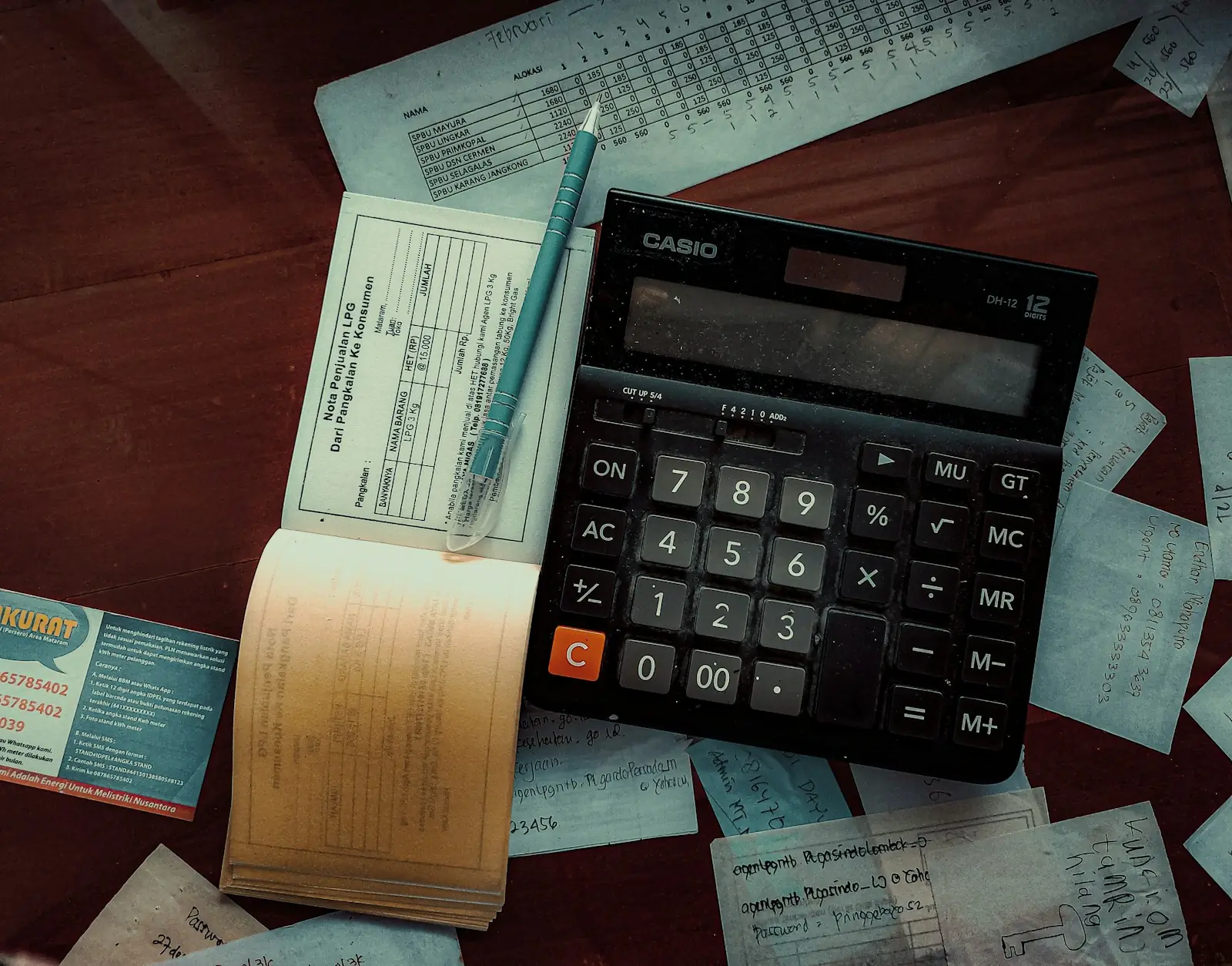
Photo: rupixen on Unsplash
Supplier payments in a lot of shops go something like this. On Monday the owner sends ₹50,000 by NEFT to a Delhi wholesaler. On Wednesday the son pays ₹12,000 in cash to the wholesaler’s agent who came by. On Friday a ₹30,000 cheque dated two weeks ahead goes into an envelope. Nobody writes down which bills these were for, because everyone “knows”.
Three months later, the wholesaler says ₹41,000 is outstanding. The shop thinks it is ₹9,000. Both have records. Neither has the whole story. The next hour is spent on the phone, the relationship gets a little colder, and the shop usually pays something to make the argument stop.
Tracking supplier payments well is not hard. It needs one ledger per supplier, a habit of recording each payment the day it goes out, and a monthly check against the supplier’s own numbers. This guide covers each part, with the tricky cases that trip up textile shops: part-payments, advances, post-dated cheques, cash to agents and wages to karigars.
Why supplier payments slip through the cracks
It isn’t carelessness. Supplier payments in a small Indian business are genuinely messy, for a few reasons:
- Too many payment channels. NEFT, RTGS, IMPS, UPI, cheque, post-dated cheque, cash, cash through an agent. Each leaves its record in a different place.
- Too many people paying. The owner, a family member, a manager. Each remembers their own payments best.
- Round-number payments. Suppliers are often paid “₹50,000 on account” rather than exactly against a bill. Perfectly normal, but it means payments and bills don’t line up one to one.
- Deductions at payment time. A small kasar, a rate difference, a damaged than returned. The amount paid is less than the bill, for a reason that lives only in someone’s memory.
- Bills and goods arriving at different times. You may pay an advance before the bill exists, or pay for a bill whose goods are still at the transporter.
None of these can be wished away. A good tracking system just makes sure each one leaves a trace in one place.
The one-ledger rule
Every supplier gets one ledger: a running list of everything that changes what you owe them. Bills and goods received push the balance up. Payments, returns and agreed deductions bring it down. The last line is what you owe right now.
The rule is that every payment, however it was made and whoever made it, goes into that ledger. Not into a notebook, a WhatsApp chat or a bank app alone. The bank app proves that money left your account. The ledger says what it was for.
| Date | Entry | Adds | Reduces | Balance |
|---|---|---|---|---|
| 01/10/2026 | Opening balance: we owe | ₹40,000 | ₹40,000 | |
| 06/10/2026 | Goods received, PO-00031 | ₹1,18,000 | ₹1,58,000 | |
| 14/10/2026 | Payment, NEFT | ₹50,000 | ₹1,08,000 | |
| 22/10/2026 | Payment, cash to agent | ₹12,000 | ₹96,000 | |
| 03/11/2026 | Goods received, PO-00037 | ₹64,500 | ₹1,60,500 | |
| 10/11/2026 | Payment, cheque | ₹1,00,000 | ₹60,500 |
With that table, the Delhi wholesaler conversation from the opening takes two minutes instead of an hour. You send them the ledger, they compare it with theirs, and the difference is usually one line.
In Kapda Stock every supplier has this ledger built in. Receiving goods against a purchase order or a scanned bill adds the value received; Record payment on the supplier takes it down. The supplier list shows the current Payable for each one, so you can see at a glance who you owe and how much. A payment can’t be more than the balance: the app answers *Payment ₹X exceeds the payable balance of ₹Y*, which catches an extra zero before it becomes a real problem.

Recording each kind of payment
The method changes what evidence you keep. It doesn’t change the rule: record it against the supplier, the same day.
Bank transfers: NEFT, RTGS, IMPS
Every bank transfer has a UTR, a unique reference number. Write it on your copy of the bill or in the payment note, and send it to the supplier with a line saying which bills it covers. If a supplier says they didn’t receive the money, the UTR lets their bank find it in minutes.
UPI
UPI is fast and convenient for small amounts, and suppliers increasingly accept it. The risk is that UPI payments from a personal phone get mixed up with household spending. If you pay suppliers by UPI, do it from the business account, and screenshot the confirmation into a folder for that supplier.
Cheques and post-dated cheques
Post-dated cheques are still common in the textile trade, especially with older wholesalers. Keep a simple register: cheque number, date, amount, supplier and the bills it covers. Record the payment in the ledger on the day you hand over the cheque, and note that it is post-dated, so you remember the money must be in the account by that date. A cheque that bounces for lack of funds can lead to a criminal complaint under the Negotiable Instruments Act, on top of the damage to your name in the market.
Cash
Cash to a supplier or their agent needs a signed receipt, every time, however well you know them. Also remember that the Income Tax Act generally disallows a business expense paid in cash above ₹10,000 to one person in a single day, apart from some specific exceptions. Pay larger amounts through the bank.
Cash payments leave the drawer, so they belong in your daily cash record too. In Kapda Stock the day book lists supplier payments as cash out alongside expenses and drawings, so the evening cash count still agrees with the books.
Matching payments to bills
There are two ways to treat a payment, and both are fine as long as both sides agree which one you’re using.
- Bill-wise. Each payment settles named bills: “₹64,500 against invoice 1187.” Clean and easy to check, but it needs discipline from both sides.
- On account. Payments reduce the running balance, oldest bills first. “₹50,000 on account” is normal in the cloth trade and much simpler day to day.
Most shops end up with a mix: on-account payments for regular suppliers with a running balance, bill-wise payments for one-off purchases or disputed bills. Whatever you do, tell the supplier in writing which method a payment follows. One WhatsApp line is enough: “₹50,000 sent, UTR 1234…, on account,” or “against bills 1187 and 1192.”
Advances, part-payments and deductions
Advances
Some mills want money up front for a custom run or a new design. An advance reduces what you will owe before any goods exist, which makes it the payment most likely to be paid twice: once as the advance, and again in full when the bill arrives. Keep a short list of open advances, by supplier, and look at it every time a bill from that supplier comes in.
A normal payment in Kapda Stock can’t be larger than what you owe, which is what stops an advance being mistaken for a payment. An advance has its own entry instead: open the supplier’s ⋯ menu, choose Opening balance / advance, pick Advance paid and add a note such as “advance for design 4471”. When the goods arrive and are received, the bill and the advance sit next to each other on the ledger, and the balance shows only what is left. See opening balances and advances in the docs.
Part-payments
Paying ₹40,000 against a ₹1 lakh bill is fine; just record the ₹40,000, not “bill paid”. The ledger will show ₹60,000 still open. The mistake to avoid is ticking the bill as paid on paper because a payment was made against it.
Deductions
If you pay less than the bill because of short metres, a rate difference or damaged goods, get the supplier’s agreement first, ideally as a credit note from them. Then record both the payment and the reason. An unexplained short payment turns into a disputed balance that both sides remember differently a year later.
For goods you physically send back to the supplier, remove them from stock with the reason recorded, so your stock count and the supplier’s balance both reflect the return. Kapda Stock’s stock movements keep a reason against every quantity that leaves.
Reconciling with the supplier’s statement
Once a month, for every supplier you deal with regularly, compare your ledger with theirs. This is the single most effective habit in supplier payment tracking, and the one most shops skip.
- Ask for the statement. Most wholesalers will send a ledger PDF on WhatsApp if asked. Ask for the month, plus the opening balance.
- Agree the opening balance first. If last month’s closing figures don’t match, fix that before looking at this month.
- Tick off matching lines. Bills that appear on both sides with the same amount, payments that appear on both sides.
- List what is left. Usually a handful of lines on one side only.
- Explain each one. Timing, a cheque not yet banked, a credit note not yet issued, a bill you never got, or a real mistake.
- Agree the corrected balance in writing. A WhatsApp message saying “confirmed, ₹60,500 as of 30/11” is enough.
The first time takes a while. After that, with a clean ledger on both sides, it is fifteen minutes per supplier. Do your five biggest suppliers monthly and the rest quarterly.

One month with one supplier, worked through
Theory is easy. Take one real month for a shop in Srinagar that buys suiting from an Amritsar wholesaler on 30-day credit and pays mostly on account.
- 2 October. A PO goes out for 400 metres in four shades at ₹285 a metre: ₹1,14,000 before GST. The wholesaler confirms on WhatsApp the same afternoon.
- 9 October. The bale arrives. The godown in-charge measures it at 392 metres; one than is 8 metres short. He writes the shortage on the packing slip, photographs the measuring tape on the short than, and puts 392 metres on the shelf.
- 10 October. The bill arrives for the full 400 metres plus 5% GST. It goes into the disputed pile, and the owner messages the wholesaler with a photo of the measurement.
- 12 October. The wholesaler agrees and promises a credit note for 8 metres. The bill moves to the checked pile, with the credit noted on it.
- 26 October. At the Monday review, the bill is due on 9 November. Cash is comfortable, but the wholesaler offers no early-payment discount, so it is scheduled for 6 November.
- 6 November. ₹1,17,306 goes by NEFT: 392 metres at ₹285 plus GST. The UTR goes to the wholesaler with “against bill 2231, net of 8 m short.” The owner records the payment against the supplier the same minute.
- Mid-November. The wholesaler’s statement shows the bill, the credit note and the payment. The balance is zero on both sides. Reconciliation takes four minutes.
Nothing in that month was clever. Each step just left a trace at the moment it happened. That is the whole trick to tracking supplier payments: you never have to remember anything, because you never had to rebuild anything.
Don’t forget karigars and job workers
For many textile businesses the people owed money include not just mills and wholesalers but karigars: tailors, embroiderers, dyers and weavers doing job work. Their wages are payables too, and they get lost even more easily because the work is spread over weeks and paid in small amounts.
Kapda Stock’s job work section handles this the same way as suppliers. When you receive finished goods from a karigar, the agreed wages, weaving and washing charges go onto their ledger as owed. Pay wages reduces it, and a payment can’t exceed what is owed. Each karigar’s page shows the wages credit and debit history with the balance after each entry. That ends the “I paid you last week” / “No, that was for the earlier job” conversation.
Keeping it all on your phone
A tracking system only works if it is quicker to use than to skip. That usually means the phone, because that is where the bank app, the supplier’s WhatsApp and the payment confirmation already are.
Kapda Stock runs in the browser and can be installed on a phone like an app. The flow for a supplier payment is: pay from your bank app, open the supplier, tap Record payment, type the amount, tap Pay. Under a minute. The bank app keeps the UTR, Kapda Stock keeps the balance, and the supplier’s WhatsApp gets a one-line note. If you prefer to keep paper too, write the UTR on the bill copy.
Who can record a payment matters. The module access matrix decides who sees the Suppliers & POs section and whether they can change anything in it. A sensible default for a small shop: the owner and one trusted manager can record supplier payments; counter staff can’t see supplier balances at all.
Common mistakes, and the fix for each
| Mistake | What it causes | Fix |
|---|---|---|
| Recording payments “later” | Forgotten payments, double payments | Record the same day, before the phone goes back in your pocket |
| Paying from a supplier statement without checking | Supplier errors become your losses | Pay against your own ledger; use the statement only to check |
| No receipts for cash | Disputes you can’t win | Signed receipt for every cash payment, no exceptions |
| Short payments without a note | Balances that never agree | Agree deductions first, get a credit note, record the reason |
| Several people paying, nobody recording | Nobody knows the true balance | One ledger, everyone records into it |
| Trusting a “new bank account” message | Money sent to a fraudster | Confirm by calling a number you already have |
| Never reconciling | Small differences grow into big disputes | Monthly for top suppliers, quarterly for the rest |
Why this matters beyond being tidy
Accurate supplier payment tracking pays off in ways that go beyond avoiding arguments:
- Better terms. Suppliers give longer credit and better rates to shops that pay as promised and can show it.
- Cleaner books. Your accounts payable on the balance sheet is only as good as your supplier ledgers. Banks look at it when you apply for a loan.
- Fewer tax surprises. Unpaid bills older than 180 days force a GST input credit reversal; late payments to micro and small suppliers carry interest and, under the rule introduced as section 43B(h), can push the expense into a later tax year.
- Easier CA work. A clean ledger per supplier saves your CA hours, and that usually shows up in their bill.
Supplier tracking is one part of a wider routine. Our article on the accounts payable process covers the full journey from order to payment, and the guide to bill monitoring systems explains the weekly review that ties it together.
Start with your three biggest suppliers
Don’t try to rebuild two years of history. Pick the three suppliers you pay most. Get a statement from each and agree today’s balance in writing. From tomorrow, every new bill and every payment goes into the ledger the same day. In a month, reconcile with them. Once that feels routine, add the next five.
What to do with the old balance
The awkward part of starting is the money you already owe from before. Don’t re-enter old bills one by one. Agree a single figure with each supplier, then enter it in Kapda Stock as an opening balance, marked We owe them, with a note like “bills up to 31/10/2026, agreed with supplier”. You can do it while adding the supplier or later from the supplier’s ⋯ menu. From then on, payments against the old balance and new bills all land on the same ledger. Trying to re-enter months of old bills, by contrast, adds stock you sold long ago and muddles your costs.
Kapda Stock’s Growth plan, at ₹349 a month or ₹3,499 a year before GST, includes supplier ledgers, purchase orders, job work and payment recording, alongside billing and stock. See the pricing page, or create your account and try it on your next supplier payment.
Frequently asked questions
What is the best way to track supplier payments?
Keep one ledger per supplier, record every payment in it the same day whatever the method, and reconcile it with the supplier’s statement every month. The bank app proves money left your account; the ledger records what it was for and what is still owed.
Should I pay suppliers bill-wise or on account?
Either works if both sides agree which you are using. Bill-wise payments settle named bills and are easiest to check. On-account payments reduce the running balance, usually oldest bills first, and are common with regular textile suppliers. Tell the supplier in writing which method each payment follows.
How do I reconcile my books with a supplier’s statement?
Agree the opening balance first, tick off bills and payments that match on both sides, then explain the lines left over: timing differences, cheques not yet banked, credit notes not yet issued, bills you never received, or genuine errors. Confirm the agreed closing balance in writing.
Can I record cash payments to suppliers in Kapda Stock?
Yes. Record payment on the supplier reduces their payable balance, and supplier payments appear as cash out in the day book. Keep a signed receipt for every cash payment, and pay larger amounts through the bank, since business expenses paid in cash above ₹10,000 to one person in a day are generally disallowed for income tax.
Does Kapda Stock track money owed to karigars?
Yes. In Job Work, receiving finished goods adds the agreed wages, weaving and washing charges to the karigar’s ledger as owed. Paying wages reduces it, a payment cannot exceed what is owed, and each karigar’s page shows the full history with the balance after every entry.
See it working in your own shop
Set up a workspace in under a minute, or read the step-by-step guides in the docs.