Three-way matching: check the order, the goods and the bill before you pay
Big companies call it three-way matching. Old cloth merchants call it common sense: don’t pay for what you didn’t order, and don’t pay for what didn’t arrive. In a textile business, where metres stretch, shades drift and bills arrive before the bales, it takes a little more care than counting cartons.

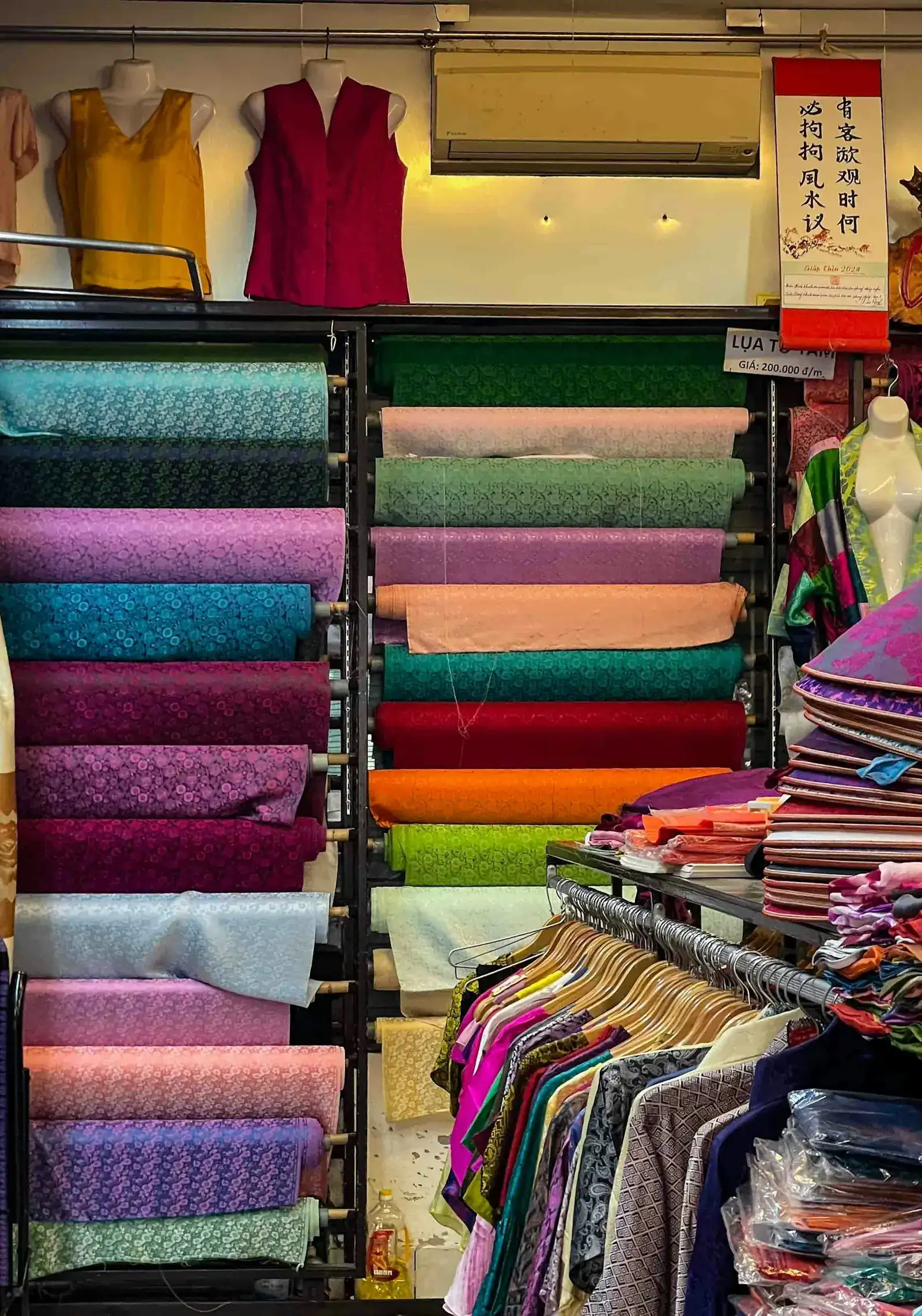
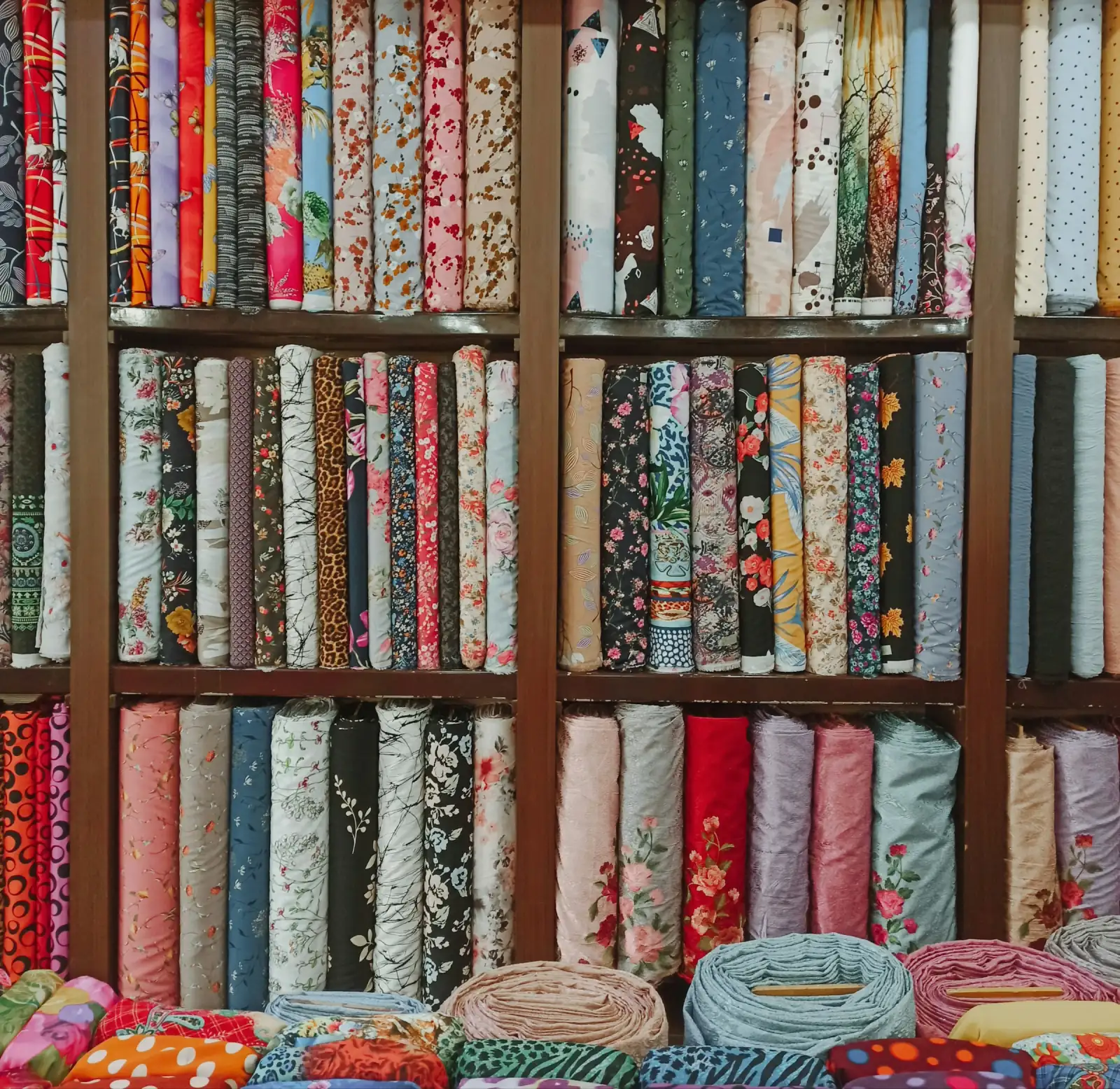
Photo: Rohit Choudhari on Unsplash
An old cloth merchant in Amritsar once put it this way: “The bill tells you what he wants. The order tells you what you wanted. The bale tells you the truth.” He had never heard the phrase three-way matching, but that is exactly what he was describing.
Three-way matching means comparing three records before paying a supplier: the purchase order (what you agreed to buy), the goods received note (what actually arrived) and the supplier’s invoice (what you are being charged). If all three agree, you pay. If they don’t, you find out why first.
In most industries this is a back-office control. In textiles it matters more than usual, because fabric is a material that refuses to be exact. Thans come in short. Shades vary from lot to lot. Rates are quoted per metre, billed per yard, or the other way round. This guide explains how three-way matching works, the tolerances that make sense for fabric, what to do when things don’t match, and how Kapda Stock helps you do it without a back office.
The three documents and what each one proves
| Document | Made by | Proves | Typical problems |
|---|---|---|---|
| Purchase order (PO) | You | The quantity, rate and terms you agreed | Never written down; agreed on a call |
| Goods received note (GRN) | You, at delivery | What physically arrived and was accepted | Skipped on busy days; bale shelved uncounted |
| Supplier invoice | Supplier | What you are being charged, including GST | Wrong rate, full quantity billed for a short delivery, extra freight |
Each document on its own can be wrong without anyone noticing. Together, they catch each other’s mistakes. A bill with a rate higher than the PO is caught by the PO. A bill for 400 metres when 392 arrived is caught by the GRN. A delivery of the wrong shade is caught when the GRN is compared with the PO.
Two-way, three-way and four-way matching
- Two-way matching compares only the PO and the invoice. It catches rate and quantity differences against what was ordered, but not short deliveries. It is fine for services, where there is nothing to count.
- Three-way matching adds the GRN. This is the right level for anything physical, and fabric is as physical as it gets.
- Four-way matching adds a quality inspection report. Large garment exporters do this for fabric lots that go into production. For a retail shop it is overkill, though a quick shade check in daylight is a sensible informal version.
Why fabric makes matching harder
If you sell boxed goods, three-way matching is counting cartons. If you sell fabric, it is closer to detective work. A few reasons:
- Lengths vary. A than sold as 40 metres might measure 39.2 or 40.6. Mills usually bill the length marked on the than, which may not be what your measuring table says.
- Units change between documents. You order in metres, the supplier bills in yards, or the other way round. One yard is exactly 0.9144 metres, so 100 yards is 91.44 metres. A rate of ₹100 a yard is about ₹109.36 a metre, not ₹100.
- Shade lots differ. You ordered navy blue in one lot; two thans in the bale are visibly a different navy. Same design number, same quantity, wrong goods.
- Bills arrive out of order. A bill can reach you on WhatsApp a week before the bale clears the transporter’s godown. Paying it then means paying for goods you haven’t seen.
- Freight and packing are negotiable. “Door delivery included” on the phone becomes a freight line on the bill.
- Rates move. Yarn prices change, and a mill may honour your old rate on the PO or quietly bill the new one.
None of this is fraud, most of the time. It is the normal friction of a trade where the product is measured, not counted. Three-way matching is how you stop that friction from turning into money you paid for nothing.

How to do a three-way match, step by step
Step 1: Write the order down
There is no three-way match without a PO. It doesn’t have to be formal; it has to exist. Even a WhatsApp message back to the supplier, “Confirming: 20 thans design 4471, navy and maroon, ₹142/m, 45 days, freight yours”, is a purchase order in all but name.
A proper PO is better, because it lives next to your stock and supplier records. In Kapda Stock you raise a purchase order with the supplier, each product, its quantity and rate. Fabric quantities can go to three decimals, so 12.35 metres is entered as 12.35. The PO can be downloaded or shared as a PDF and moves from Draft to Sent to Confirmed as the supplier agrees.
Step 2: Count and inspect at delivery
When the bale arrives, open it before it goes on the shelf. Count thans or pieces against the packing list. Measure a sample: every than if the bale is small or the supplier is new, three or four if you have bought from them for years without trouble. Check shades in daylight. Note anything damaged, wet or wrong.
Write the results down on the day. A GRN is only as good as the honesty of the count behind it. If the godown in-charge is busy and shelves the bale uncounted, the second leg of your three-way match is missing, and you are back to trusting the supplier’s bill.
For wholesalers who sell from named rolls, Kapda Stock can import the supplier’s packing list with the measured length of each roll. Before anything goes into stock, the check shows the rolls and bales, billed length against measured length, and flags *Short by N against the bill* wherever they differ. Our guide to tracking rolls of fabric explains the setup.
Step 3: Record the receipt against the order
Receiving against the PO is what turns the count into a record. In Kapda Stock, Receive goods (GRN) on a sent or confirmed PO adds every remaining quantity to stock at the PO rate, updates each product’s average purchase cost, and adds the value received to the supplier’s ledger, all at once. The PO is marked Received.
Step 4: Check the bill against both
When the supplier’s invoice arrives, put it next to the PO and the GRN and check, line by line:
- Supplier and GSTIN. The right supplier, with the GSTIN you have on file.
- Items. Same design numbers, same shades as ordered and received.
- Quantity. Billed quantity no more than received quantity, in the same unit.
- Rate. Same as the PO, or a change you agreed to in writing.
- GST. The right rate for the HSN code, and CGST plus SGST for a supplier in your state or IGST for one outside it.
- Extras. Freight, packing, insurance: only if agreed.
- Total. Quantity × rate, plus agreed extras, plus GST, equals the bill total.
The GST calculator helps with the tax arithmetic, and the HSN finder tells you which code and rate a fabric falls under if a bill looks wrong.
If you capture bills with Kapda Stock’s Scan bill, the arithmetic check is built in. A row turns red when quantity × rate doesn’t equal the amount printed, figures read with low confidence are marked amber, and the footer shows the computed total next to the bill total, with any difference in red.
Step 5: Approve, hold or dispute
After the check, every bill lands in one of three piles:
- Matched. All three agree, or differ only within your tolerance. Approve for payment on the due date.
- Held. Goods not yet received, or a question you can answer yourself, like a missing page. Don’t pay yet.
- Disputed. A real difference: short quantity, wrong rate, wrong shade, unagreed freight. Contact the supplier and ask for a credit note or a corrected bill before paying.
Keep the piles physically or digitally separate. The most common way a disputed bill gets paid in full is that it sat in the same tray as the matched ones on a busy day.
Setting tolerances for fabric
A tolerance is the difference you accept without querying. Without one, you will spend more on phone calls about ₹40 than you save. With one that is too loose, the small differences add up across a season. Tolerances that work for many textile retailers:
| What | Accept without query | Query when |
|---|---|---|
| Length per than | Within ±0.5% of billed length | Any single than more than 1% short |
| Total metres on a bill | Within 0.5% of received | More than 0.5% short in total |
| Piece count | Exact | Any difference |
| Rate | Exact match to PO | Any increase not agreed in writing |
| Rounding on the bill total | Up to ₹1 | More than ₹1 |
| Freight and packing | Only if on the PO | Any unagreed charge |
| Shade | Within the same lot | Any visible mismatch with the order |
Agree tolerances with your main suppliers in advance, once, rather than arguing each case. A supplier who knows you measure every bale and query anything over 1% will usually make sure the bale is right before it leaves.
One bale, matched line by line
On a real purchase it goes like this. A shop in Jammu orders rayon prints from a Surat trader: three designs, 120 metres each, at ₹96 a metre, freight paid by the supplier. The bale arrives, the godown in-charge measures it, and the bill comes in two days later.
| Line | PO | Received | Billed | Result |
|---|---|---|---|---|
| Design 2210 | 120 m @ ₹96 | 119.6 m | 120 m @ ₹96 | Within 0.5%: accept |
| Design 2214 | 120 m @ ₹96 | 112 m | 120 m @ ₹96 | 8 m short: dispute |
| Design 2219 | 120 m @ ₹96 | 120 m | 120 m @ ₹102 | Rate ₹6 higher: dispute |
| Freight | Supplier pays | — | ₹650 | Not agreed: dispute |
Before GST, the bill comes to ₹35,930. What the shop actually owes, on the agreed terms, is ₹33,792: 352 metres at ₹96. That is 120 metres of the first design, paid as billed because 0.4 metres is within tolerance, the 112 metres of the second that actually arrived, and 120 metres of the third at the agreed rate, with no freight. The gap is ₹2,138 before tax, or about 6% of the bill.
The owner sends the supplier one message with the measurement photos and the PO, asking for a credit note for 8 metres of 2214, the rate on 2219 corrected to ₹96, and the freight removed. Most suppliers agree within a day when the evidence is that clear. Without the PO and the count, the shop would have paid the full bill and never known.
Six per cent of one bale is easy to shrug off. Across a season of purchases worth, say, ₹15 lakh, even a 2% average leak is ₹30,000, which is more than a year of most shop software.
When the three don’t match: a quick guide
| Mismatch | Likely cause | What to do |
|---|---|---|
| Bill quantity > received | Short delivery, or lengths billed as marked | Show the measurement; ask for a credit note for the difference |
| Bill rate > PO rate | Price rise not passed on to you, or a mistake | Pay at PO rate only after the supplier agrees, or get a revised bill |
| Wrong shade or design | Packing error at the supplier | Return the goods, or accept at a lower rate, agreed in writing |
| Unagreed freight | Different understanding of terms | Point to the PO; ask for it to be removed |
| Bill but no goods yet | Goods with the transporter | Hold the bill until the goods are received and counted |
| Goods but no bill | Bill delayed or lost | Ask for a copy; don’t pay from the PO alone |
| Same bill twice | PDF on WhatsApp plus paper with the goods | Enter once; check supplier + invoice number |
On duplicates: Kapda Stock refuses to receive a scanned bill from the same supplier with the same invoice number twice (*This bill was already received as PO-…*), unless you deliberately choose Receive anyway for a genuine second delivery.

The GST side of three-way matching
Three-way matching isn’t only about not overpaying. It also protects your input tax credit.
- You can claim credit only on goods you have received. GST law makes receipt of the goods a condition for input tax credit. The GRN is your proof that you did.
- The supplier has to report the bill. Credit flows only when the supplier has uploaded the invoice and it shows in your GSTR-2B. The GST portal’s Invoice Management System lets you accept, reject or keep pending each invoice your suppliers upload. A three-way match tells you which ones to reject, before they flow into your return.
- Unpaid bills have a time limit. If you don’t pay a supplier within 180 days of the invoice date, the credit you claimed must be reversed with interest until you pay. Bills stuck in the disputed pile for months are the usual cause. Resolve disputes, don’t just park them.
Kapda Stock prepares your sales-side GST pack and records which months have been filed, as explained in GST returns and the filing pack. Matching purchases against GSTR-2B remains your CA’s job, and clean, matched purchase records make that job much faster.
Doing it without a back office
Big companies run three-way matching through an accounts payable team. A shop has the owner, maybe a manager, and a godown boy who is also the delivery boy. That is enough, if you split the work sensibly:
- Whoever orders makes the PO. Usually the owner.
- Whoever receives counts and records the GRN. The godown in-charge, with View & edit access to Inventory and Suppliers & POs in the module access matrix, and nothing more.
- Whoever approves compares the bill with both, and that should not be the same person who counted. Usually the owner again, which is fine: the point is that the count and the approval are separate acts.
The time cost is small once it is a habit. Receiving against a PO takes a minute. Checking a bill against the PO and GRN takes two or three. For a shop that receives ten deliveries a week, that is about half an hour, set against the cost of paying for short metres and unagreed freight for a whole season.
Three-way matching and your margins
There is a second reason to do this carefully: your margins are calculated from what you paid. When goods are received in Kapda Stock, each product’s purchase cost is re-averaged with the new stock. If the receipt overstates quantity, the cost per metre comes out too low, and every report built on it, from the profit and loss to inventory valuation, looks better than reality.
Paying for 400 metres and receiving 392 is a 2% hit to the cost of that fabric. On a fabric you sell at a 30% margin, that is a meaningful slice of the profit on the bale, gone without anyone noticing. Three-way matching keeps the cost on your books equal to the cost in reality.
Starting next week
You don’t need to match every purchase from day one. Start with your three largest suppliers by value. For one month:
- Raise a PO for every order, even if the supplier never asked for one.
- Count and measure every bale against the packing list on arrival.
- Receive against the PO the same day.
- Check each bill against the PO and the count before it goes into the “to pay” pile.
- Write down every mismatch you find, and what it was worth.
At the end of the month, add up the mismatches. Most shops find enough in that first month to justify the habit for good. Then extend it to every supplier.
For the payment end of the process, read our guide to bill monitoring systems, and for getting bills into your system quickly and correctly, purchase bill entry. If you would like to see the flow in your own shop, create an account and raise your first purchase order today.
Frequently asked questions
What is three-way matching?
Three-way matching compares the purchase order, the goods received note and the supplier’s invoice before paying. The PO shows what you agreed to buy, the GRN shows what actually arrived, and the invoice shows what you are being charged. You pay when all three agree, or after differences are resolved.
What is the difference between two-way and three-way matching?
Two-way matching compares only the purchase order with the invoice, so it catches wrong rates but not short deliveries. Three-way matching adds the goods received note, so you also check that what you are paying for actually arrived. For physical goods like fabric, three-way matching is the right level.
What tolerance should a textile shop use for short metres?
Many shops accept differences within about 0.5% of the billed length and query any single than more than 1% short. Piece counts and rates should match exactly. Agree tolerances with your main suppliers in advance so you are not negotiating every small difference.
Should I pay a supplier bill before the goods arrive?
Generally no, unless you agreed to pay in advance. Hold the bill until the goods are received and counted. Receipt of goods is also a condition for claiming GST input tax credit, so paying and claiming credit before the bale arrives creates problems on both fronts.
Does Kapda Stock support three-way matching?
It gives you all three legs in one app: purchase orders with quantities and rates, a GRN that receives goods against the PO and updates stock, cost and the supplier balance, and supplier bill capture by Scan bill with quantity × rate, total and duplicate checks. The final comparison and the decision to pay stay with you.
See it working in your own shop
Set up a workspace in under a minute, or read the step-by-step guides in the docs.